This is the summer Venice has been building toward. Five-euro day-tripper fees, two new palace hotels, and an Art Biennale carrying its late curator’s poetic vision. Don’t miss it.
There are cities you visit and cities you plan around. Venice, in the summer of 2026, has become definitively the latter. The 61st International Art Exhibition of the Venice Biennale opens on 9 May and runs until 22 November, stretching across the Giardini, the Arsenale, and half a dozen satellite venues woven into the city’s fabric. The theme, In Minor Keys, was conceived by curator Koyo Kouoh before her untimely death; La Biennale has committed to staging the exhibition exactly as she planned it, with the full support of her family, giving this edition a weight and poignancy that few Biennales have carried before. Add to that the simultaneous arrivals of two of the year’s most talked-about hotel openings, a city that has very deliberately begun managing who comes and why, and a food scene that has spent years quietly becoming one of Italy’s most interesting. This is the summer for Venice.
The paradox is that it is also the summer everyone will think of going, which makes the how and when of your trip more important than usual. The Biennale is at its least crowded midweek and at its richest in May, September, and October. Hotels are booking fast, particularly since the Orient Express Venezia and Airelles Palladio both landed this spring in historic palazzos with very limited room counts. If you are planning a Biennale trip, the decisions worth making now are: which preview dates to aim for (6, 7, and 8 May, reserved for press and invited guests, though industry access is broader than it sounds), which sestiere to stay in, and which pavilions will reward the most time.
We have broken it down below: the two hotels to book, the Biennale highlights worth navigating toward, and where to eat beyond the tourist circuit. This is Venice for people who know Venice. And for people who have been putting off their first time, frankly, this is the year.
Venice Biennale 2026 at a glance: Best new hotel for palazzo drama: Orient Express Venezia Best new hotel for space and privacy: Airelles Palladio, Giudecca Best Biennale venue for first-timers: The Giardini Best for the deep Biennale experience: The Arsenale Best for eating like a Venetian: Cichetti along the Fondamenta della Misericordia, Cannaregio
How we chose: We have tracked the Biennale since 2019, stayed across different sestieri, and reported on the hotel pipeline throughout the development of these two openings. Our recommendations are based on architecture, editorial access, and genuine editorial opinion. The Biennale’s full programme was confirmed at the 25 February 2026 press presentation in Venice.
Orient Express Venezia (Palazzo Donà Giovannelli), Cannaregio

Best for: the most cinematic check-in in Venice From: $1,410 per night Location: Cannaregio, near the Grand Canal
The Orient Express brand has been building its hotel presence methodically, starting with La Minerva in Rome and arriving now at a 15th-century Gothic palazzo in Cannaregio with a neo-Gothic octagonal staircase, vaulted ceilings, exquisite frescoes, and 47 rooms and suites overlooking gardens and the canals. The renovation was led by architect Aline Asmar d’Amman, whose brief was to preserve the building’s essence while introducing what the brand does well: a very specific kind of theatrical luxury that feels earned rather than pasted on.
The location works in the hotel’s favour in a way that the more obvious addresses can’t claim. Cannaregio is the city’s most elegantly residential sestiere, home to the Jewish quarter, the Fondamenta della Misericordia (the best stretch of bars in Venice, for an informal evening that feels genuinely local), and the kind of streets that even returning visitors tend to under-explore. Hidden rooftop terraces give views over the lagoon that you won’t get from San Marco. Don’t miss the hotel’s restaurant, or the bar, or the fact that you are ten minutes from the Arsenale on foot.
Airelles Palladio Venezia, Giudecca Island
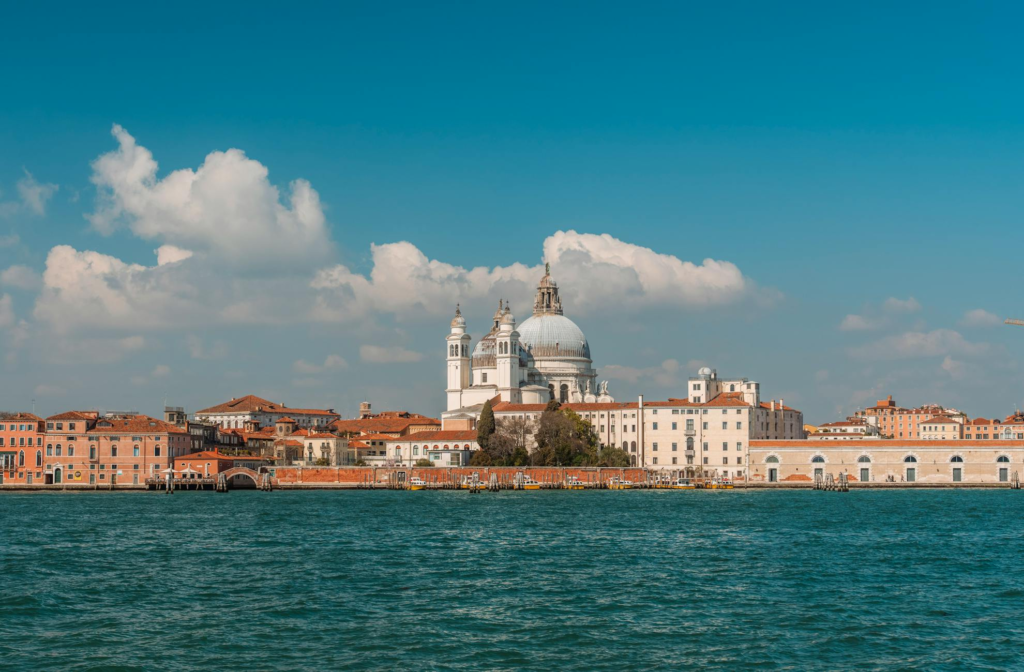
Best for: space, gardens, and St Mark’s views without the St Mark’s crowds From: $1,395 per night Location: Giudecca Island
Airelles, the French luxury hotel group that has previously operated exclusively in France, makes its international debut here, installed across three heritage buildings on the island of Giudecca with sprawling private gardens and views of St Mark’s Basilica directly across the water. Forty-five rooms and suites, three pools (which, on Giudecca, is practically a declaration of ambition), and a wellness-garden spa. Dining brings together three serious names: Nobu, Jean-Georges Vongerichten, and Norbert Niederkofler.
Giudecca is the right place to stay for a Biennale visit if you want to be away from the main island’s intensity while remaining a water taxi away from everything. It has a quieter, longer pace; low-key waterfront bars, genuinely local restaurants, and the kind of view of San Marco that makes you understand why people have been painting it for five hundred years. The boat transfer evenings, arriving by water with the basilica lit across the canal, are the sort of thing you describe to everyone when you get back. Book the Arsenale visit for the first morning, then return to this.
The Biennale Itself: Where to Go
The Giardini, Castello
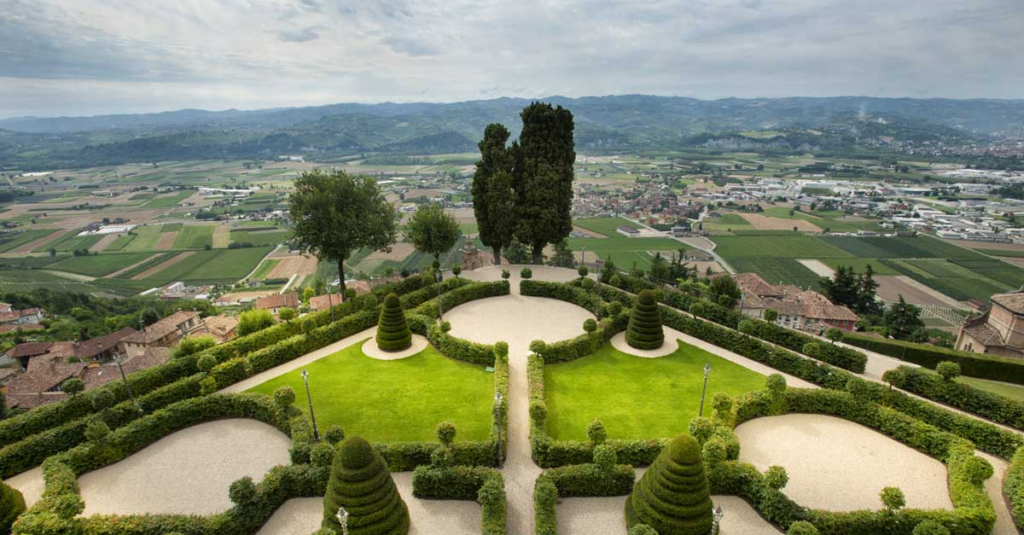
The Giardini is where the national pavilions live, scattered across a landscaped park in the Castello district, and for most visitors it is the natural starting point. Ninety-nine countries are participating this year. The central pavilion, housed in the Giardini’s freshly restored main building, opens for the first time after an extensive renovation and is where the In Minor Keys curatorial vision is most fully expressed: intimate, poetic, and deliberately anti-spectacular. Ireland’s Isabel Nolan and Canada’s Abbas Akhavan are among the pavilions generating most critical attention in pre-Biennale coverage. Allow a full morning at minimum, ideally starting at opening time (11am) to have the first hour to yourself.
The Arsenale, Castello
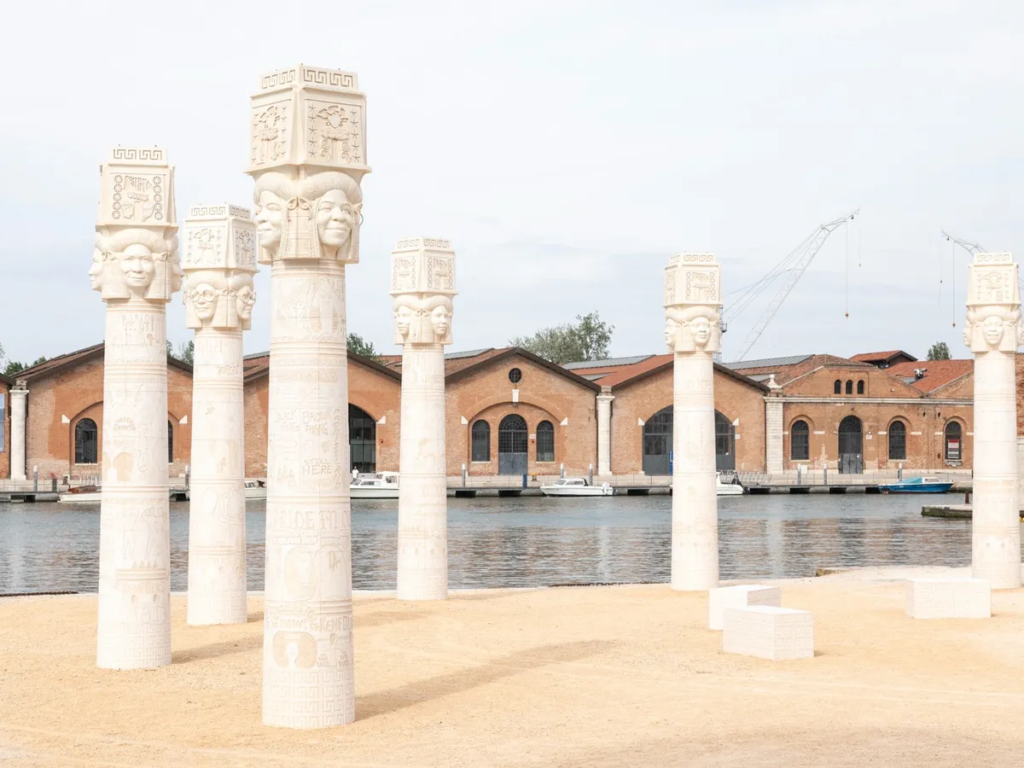
The Arsenale is where the Biennale gets genuinely overwhelming in the best way, with the scale and atmospheric weight of Europe’s largest medieval shipyard behind it. Vast halls, historic docks, and a sprawling rope factory all converted into atmospheric exhibition space. This is where the deeper, stranger work tends to live, and where you’ll find the collateral events that sit alongside the official programme. Extended opening hours on Fridays and Saturdays (until 8pm, from May through September) make the Arsenale an ideal late-afternoon visit when the light shifts and the crowds thin.
The Peggy Guggenheim Collection, Dorsoduro
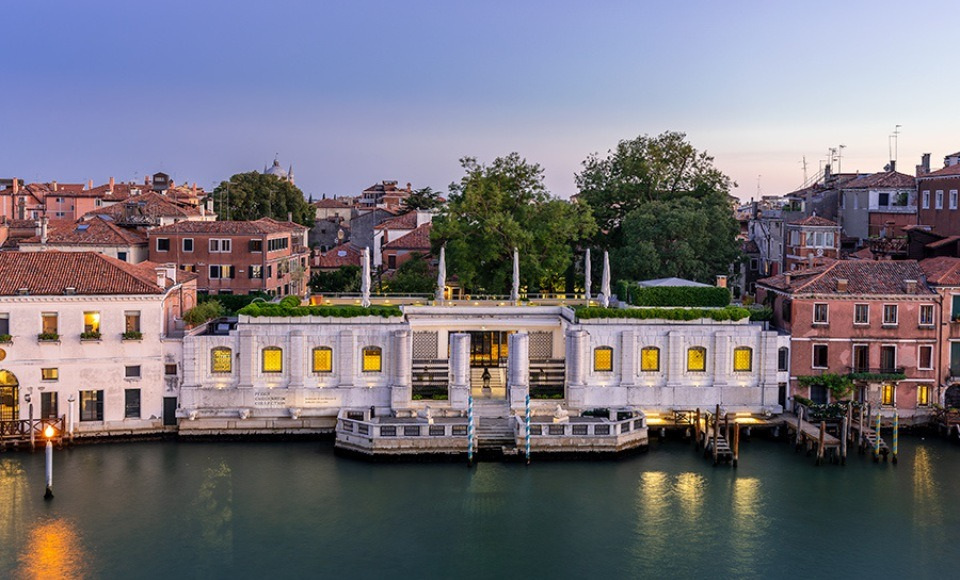
Not technically the Biennale, but structurally part of any serious art visit to Venice. Hernan Bas’s The Visitors, a show of over 30 new works at the International Gallery of Modern Art (Ca’ Pesaro), runs concurrently from 7 May to 30 August in partnership with Dom Pérignon and is worth prioritising for the first week.
Where to Eat
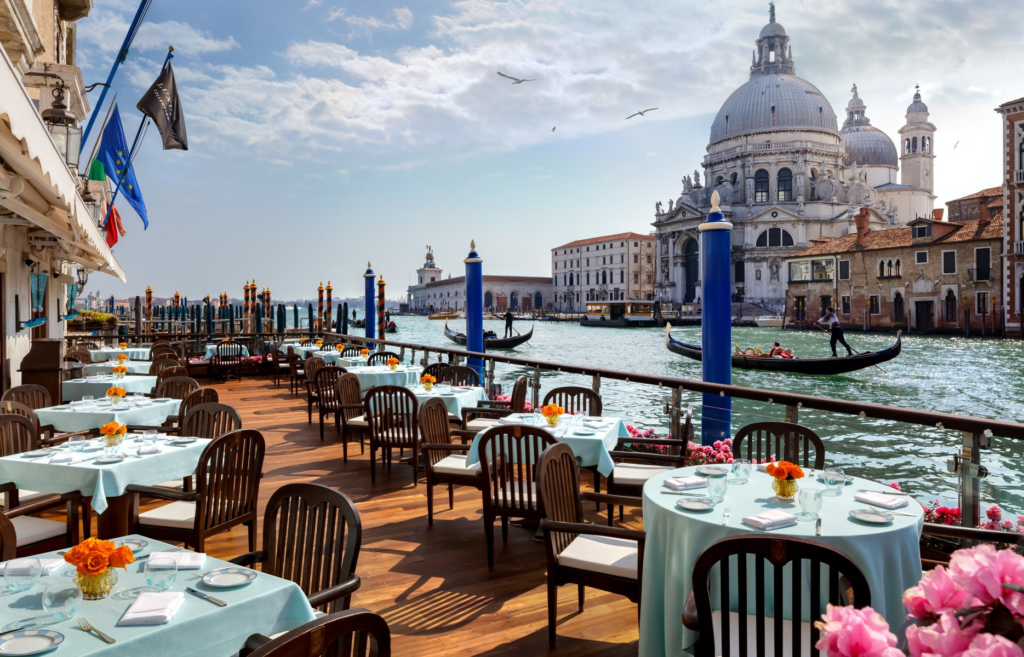
Venice’s food culture has been quietly having a moment since the post-pandemic shift toward more sustainable, local-focused tourism. “Eat the lagoon” is the operating principle: the produce of Sant’Erasmo and Mazzorbo, the day’s catch guided by what the fishermen actually bring in, the cichetti tradition that remains, despite everything, genuinely good value and genuinely excellent if you know where to go. The Fondamenta della Misericordia in Cannaregio is the single best evening-drinking street in the city, with low-key bars spilling onto the waterfront. For dinner, Dorsoduro and Giudecca reward exploration; the restaurants near San Marco are mostly for other people.
Mauro Stoppa’s guided tours aboard Eolo, a traditional wooden bragozzo fishing boat, are a serious way to understand what “eat the lagoon” actually means, taking in the Byzantine churches of Torcello and the flamingos of the lagoon shallows before returning via the outer islands. Book well in advance.
The Biennale runs 9 May to 22 November 2026. Tickets from €20 (one-entry adult). Three-day pass €40. Preview days 6, 7, 8 May for press and invited guests.

