A quiet, botanical rebirth where design-led hospitality meets permission to slow down
On first approach, Wildflower Farms reads like a memory: an old white barn reframed by new, considered geometry, a meadow cupped in soft hills, and a scent, warm grass and crushed lavender, that arrives before the concierge. The road from the nearest town unspools through orchards and woodlots, and as you turn into the gravel drive the air seems to widen; the day’s priorities are quietly rearranged. This is not the kind of place that demands attention. Instead, it persuades it, by degrees, with details that feel inevitable once you’ve noticed them.
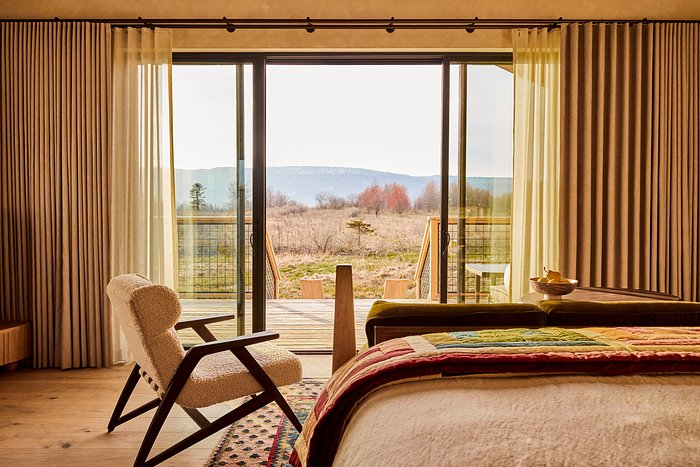
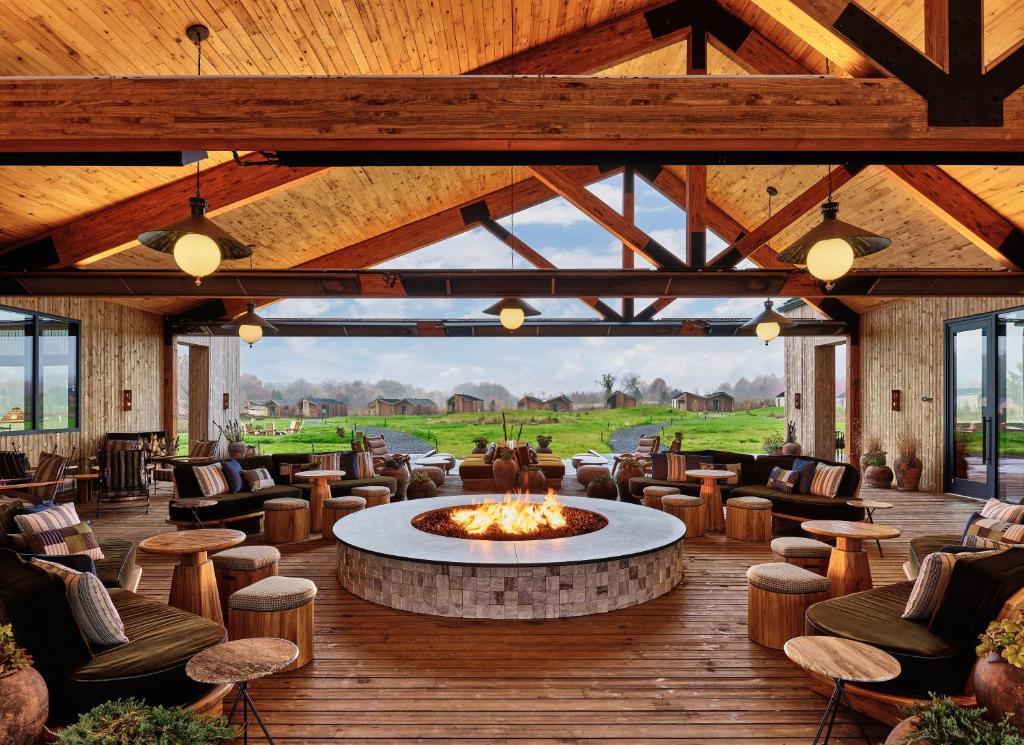
Wildflower Farms has the kind of restraint that looks effortless but is, in truth, deliberate. The palette is sun‑faded linen, aged oak, and slate: materials that read as both modern and ancestral. Interiors favor low, generous seating, woven textiles, and windows that frame the meadow like living paintings. Landscape design is the hotel’s first room: kinetic swaths of native grasses and meadow flowers are allowed to tumble, interspersed with carefully placed stone paths and a few sculptural benches that invite languor. Rooms and suites lean into scaled-down opulence, ample natural light, bespoke furniture by regional makers, and bathrooms that feel like private spa sanctuaries with long soaking tubs and rainfall showers. Nothing is overtly precious; every object has a purpose, and the overall effect is of a quietly opinionated house that trusts its guests to appreciate good taste without theatrics.
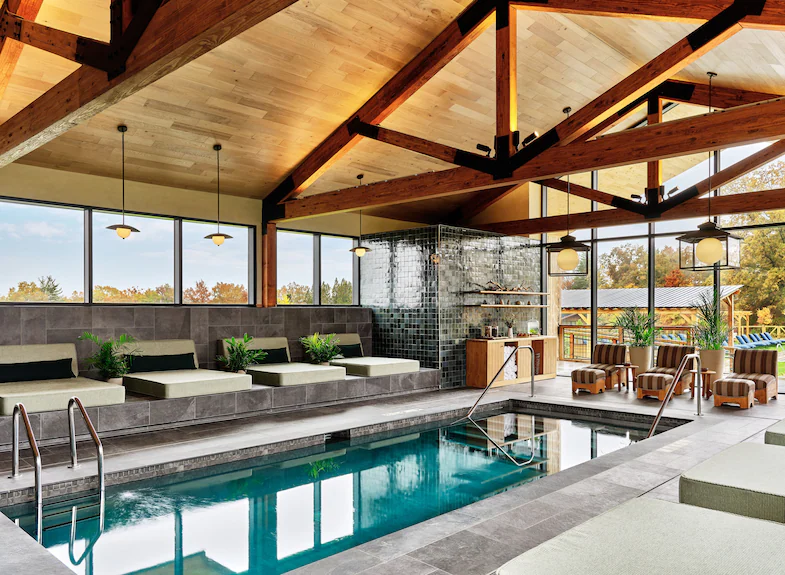
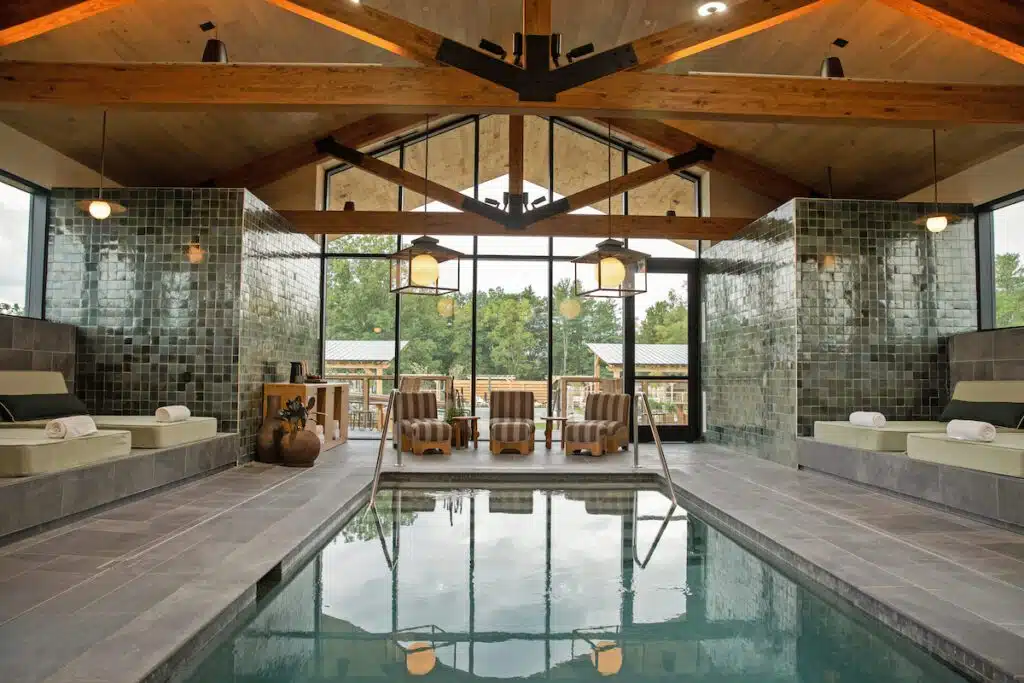
Wildflower Farms is a spa-first resort with hospitality wrapped around it. The heart of the property is a botanical spa that draws on the surrounding landscape: floral infusions, herbal compresses, and a menu of treatments centered on seasonal plants harvested on-site or sourced locally. There is a garden-to-treatment‑room philosophy: think potions, scrubs, and oils that list an address as their origin. Thermal experiences include a wood-fired sauna, a herbal steam room, and cold plunge options that feel more ceremonial than utilitarian. Communal spaces—an airy lounge with a large fireplace and a glass-walled restaurant, offer a quietly rigorous farm-to-table program; menus read like an ode to root vegetables, fermented garnishes, and flowers used as seasoning rather than ornament. Programming leans into education: guided meadow walks with the head herbalist, hands-on floral-arranging sessions, and tactile workshops about bees and soil that make the landscape legible rather than merely pretty.
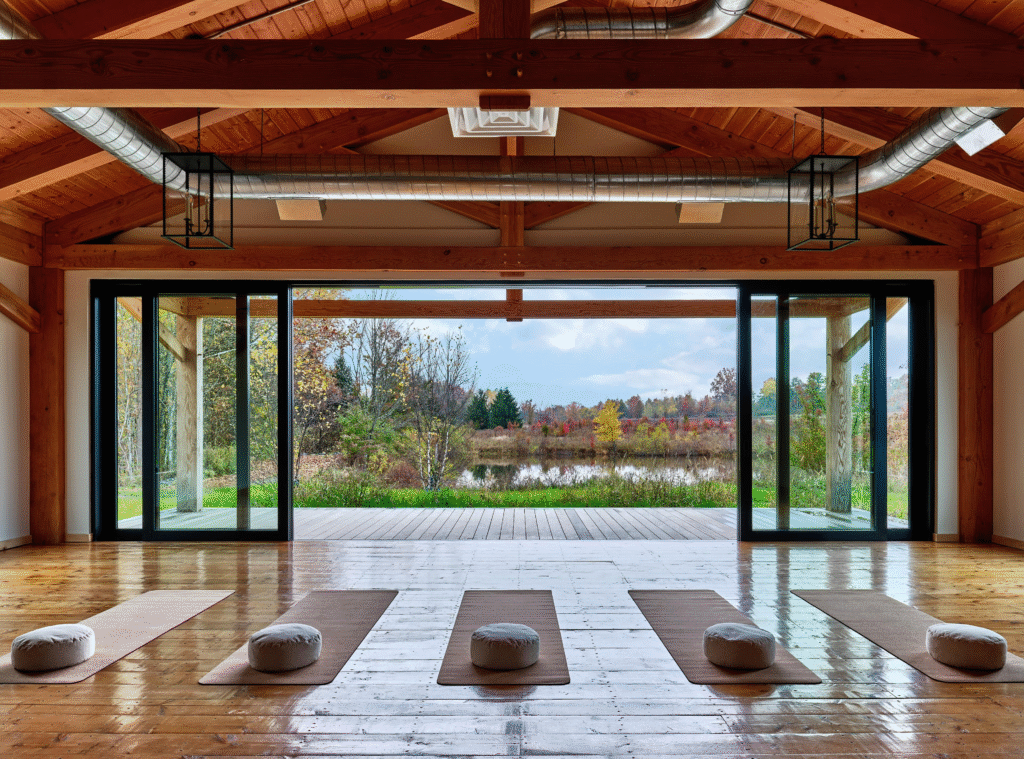
In practice, Wildflower Farms calms in the way good architecture does: it affords both privacy and moments of conviviality without forcing either. Treatments are thoughtful rather than fussy: the practitioners listen, then calibrate pressure and product with quiet expertise. A signature facial using a calendula serum felt immediate and grounded; the post-treatment sensation was not just relaxed skin but a clearer internal temperature, as if the body had been rewired to a lower gear. The food works the same way: breakfasts arrive with dark, glossy pastries and honeys drizzled over cultured yogurt, while dinners are intimate, seasonal affairs where a single, beautifully roasted carrot can feel like the evening’s summit. Service is deliberate, present when you need it and otherwise discreet, allowing guests to set their own rhythm. Connectivity is what one hopes for in a retreat: robust where necessary, but politely deferred to the landscape’s call for presence.
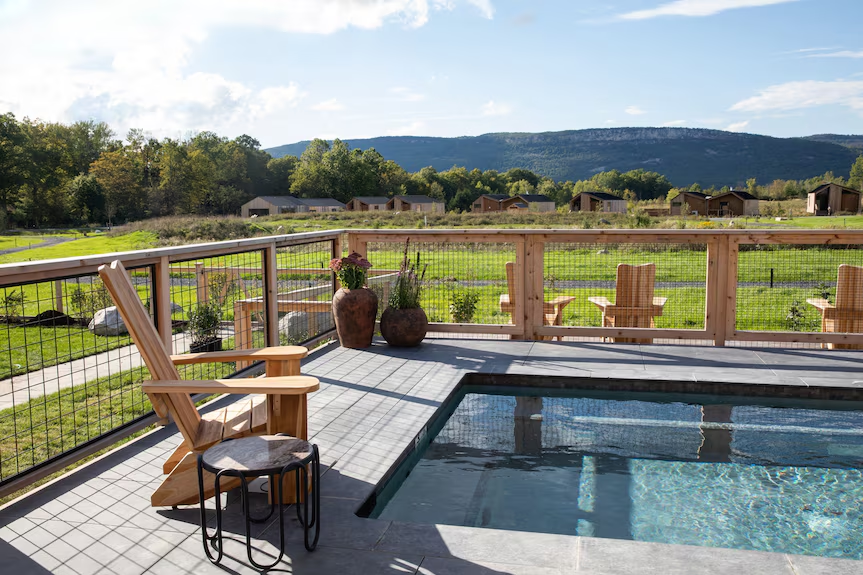
What surprised most was how the property uses its rural context not as a backdrop but as dramaturgy. At dusk, the meadow becomes a stage: light softens, insects begin an unchoreographed hum, and the spa’s outdoor treatment spaces, modest platforms with linen drapes: feel like a private ritual. Another small but pervasive delight is the way scent operates here. The gardens are planned for olfaction as much as sight; paths are lined with fragrant herbs so that a walk to dinner is a continuous, evolving perfume. The farm’s beekeeping program is not merely educational but gustatory; honey tasting, floral, resinous, and startlingly specific to each plot, becomes a device for understanding place. These moments are not ostentatious, yet they compound into a distinct sense of being somewhere that knows itself well.
Wildflower Farms suits the discerning traveler who wants luxury without spectacle: designers and chefs who appreciate provenance, couples seeking a restorative and slightly romantic pause, and city dwellers who understand that luxury is often the permission to do nothing with elegance. It is particularly well-suited for those curious about botany and the craft of food and scent: people who want to know where the honey was foraged and how a serum’s floral notes were chosen. Families are possible here, but the mood skews toward adult introspection rather than child-centered play. The property also excels as a short, restorative detour, an overnight or two that feels like a sizable recalibration of time rather than a prolonged itinerary commitment.
Conclusion
Wildflower Farms is less a retreat that insists you check in than a place that invites you to return to yourself. It is quietly cultivated, deliberately paced, and designed around the small, cumulative pleasures that linger after you leave—the scent of lavender on your clothing, a notebook full of new herbal verbs, the memory of a perfect, understated dinner. In an age when travel is often compressed into highlights, a stay here feels like a course correction: not louder, not faster, but cleaner and truer to what travel can do at its best—teach you how to pay attention. If you travel to cast off a season’s worth of noise, this is the kind of property that makes silence feel like a carefully considered amenity rather than an absence.