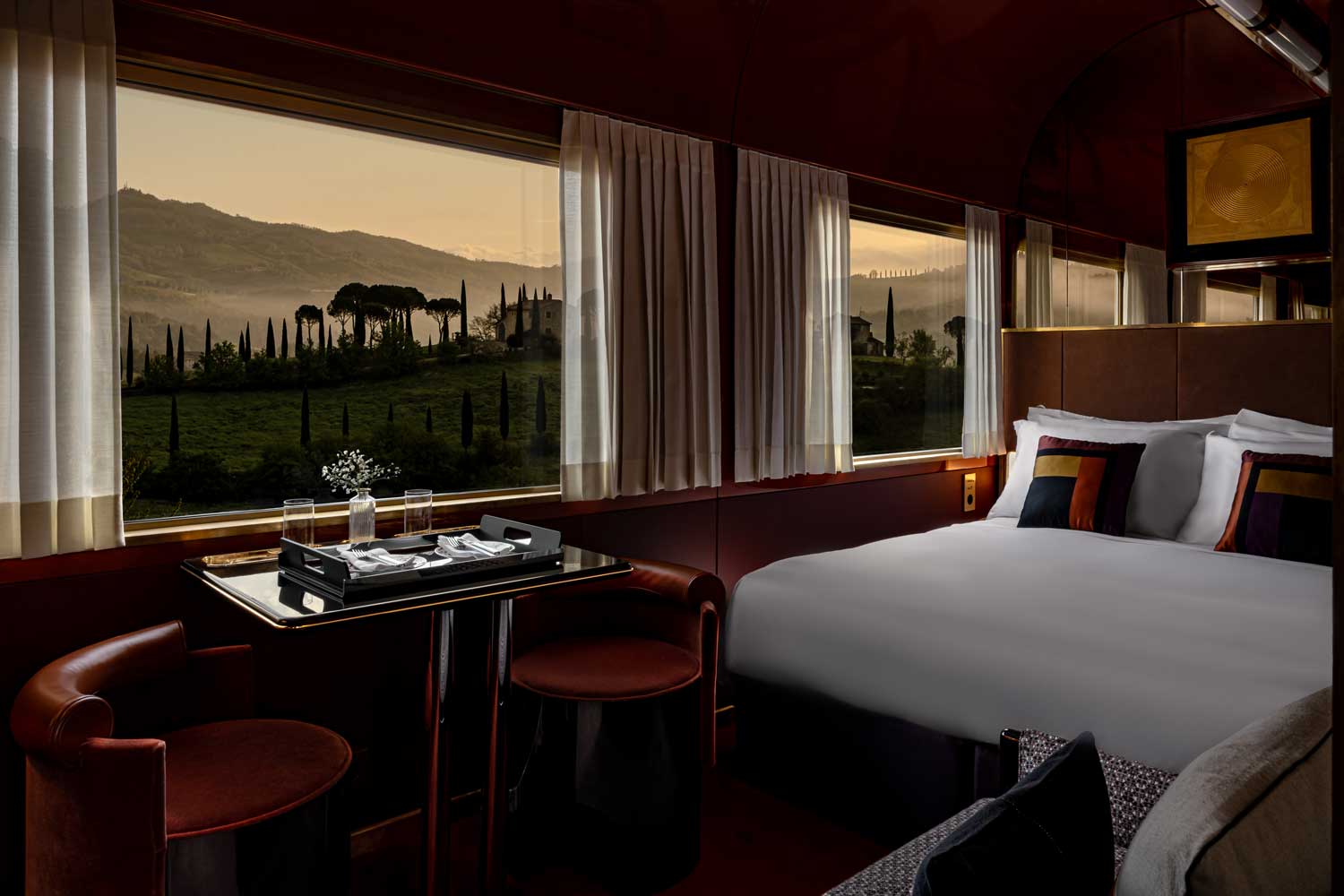
The romanticised version is correct. You just need to know what you’re booking
Everyone has the overnight train fantasy. The window steaming up as the countryside darkens, a glass of something decent on a small table, the particular quality of sleep that only motion seems to produce, waking somewhere new to pale morning light and the sensation that travel has actually happened rather than merely been endured. It is a good fantasy. The question is whether it survives contact with the booking process, the actual rolling stock, and the man in the corridor who wants to discuss his journey at eleven-thirty at night.
The answer is yes, with preparation.
Which trains are actually worth it
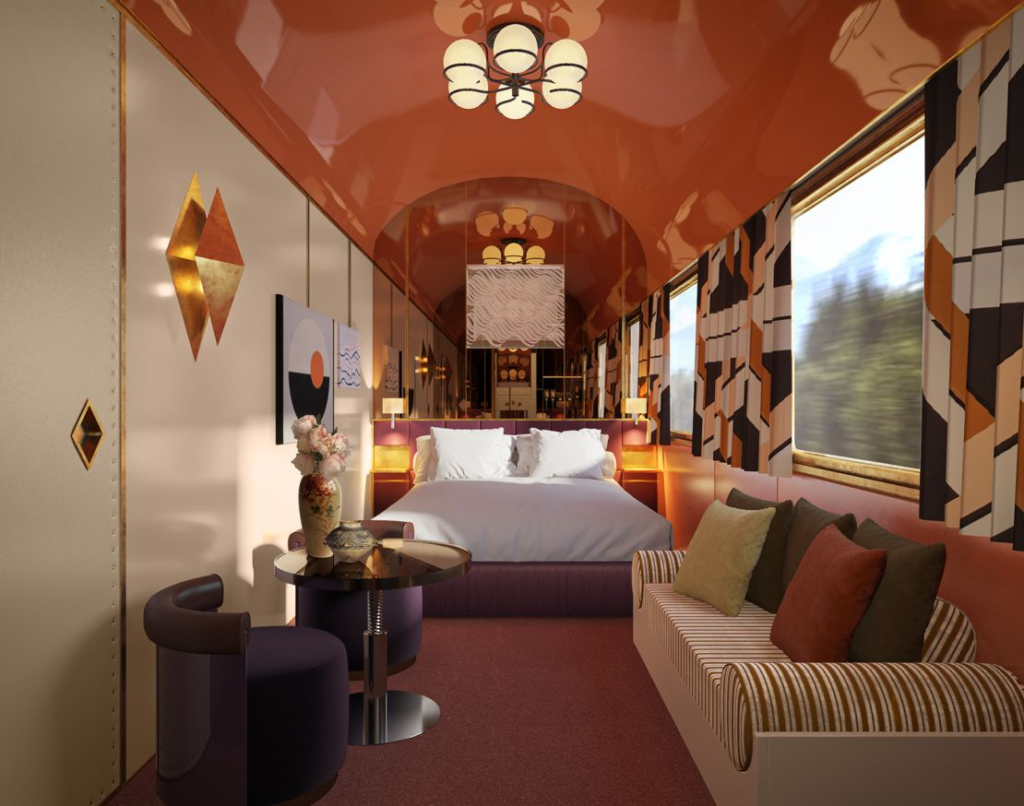
The first thing to know is that “night train” covers an enormous range of experiences, from the deeply romantic to the deeply grim, and the difference is almost entirely in the cabin category. Do not book a couchette unless you are under thirty and find communal sleeping arrangements atmospheric. A couchette is six people in a converted seating compartment, which is fine for the young and the undemanding and emphatically not what we are discussing here.
What you want is a private compartment. Most serious European night trains offer them. These are small, lockable, genuinely private rooms with a fold-down bed, usually a sink, sometimes an ensuite shower, and enough space to change clothes without performing an interpretive dance. The bed is made up when you board. This is the material difference between night trains done properly and night trains done because you didn’t read the options carefully.
The Orient Express La Dolce Vita, which runs between Rome and Venice and several other Italian city pairings, is the most glamorous current option and prices accordingly. Private suites start at around €2,000 per person for a single leg, which includes dinner (genuinely good dinner, not the trolley) and breakfast delivered to your compartment. It is expensive. It is also a complete experience in the way that a two-hour flight is not.
For the reader who wants luxury without the Orient Express price point: the ÖBB Nightjet, the Austrian national rail operator’s overnight network, now covers routes from Vienna and Innsbruck to Paris, Brussels, Rome, and Amsterdam, among others. Deluxe sleeper compartments are private, include linen and a light breakfast, and cost between €150 and €400 depending on route and booking time. The new rolling stock is genuinely good. Trenitalia‘s new Milan to Munich high-speed connection launching in 2026 is not an overnight train but deserves mention for anyone who wants to combine two destinations without a flight.
The booking logic
Book early. This is the single most important thing. Premium night train compartments sell out three to four months in advance on popular routes, and unlike airlines, they do not do last-minute discounts to fill beds. The Orient Express requires early planning and usually a travel specialist for routing and dining reservations.
Time your departure and arrival deliberately. The best overnight trains leave between 9pm and 11pm and arrive between 7am and 10am. This gives you a full evening in your departure city and a full morning to check in, have breakfast, and orient yourself on arrival. Trains that depart at 6pm and arrive at 3am are compromises born of infrastructure limitations; board with adjusted expectations.
Look at the arrival city’s geography. The morning arrival at Venice Santa Lucia, for instance, deposits you directly into the city: the canal is outside the station, the water taxis are waiting, and you are already somewhere extraordinary before you have found your hotel. Paris Gare de Lyon puts you in the 12th arrondissement, which is perfectly functional but less cinematically immediate. Rome Termini is Rome Termini. Manage this accordingly.
What to bring

1,280 × 720
The instinct is to pack too much. Resist it. A good night train compartment has limited storage. What you actually need: earplugs (the track noise on older rolling stock is genuinely present, even in private cabins, and it varies by route), a sleep mask if you are affected by the corridor light when staff pass, your own pillow if you are particular about pillows (the provided ones are adequate rather than excellent), and something to read for the first hour while the train finds its rhythm and your body catches up with the idea that this is where you’re sleeping tonight.
The food question: on Orient Express and on decent Nightjet deluxe routes, you will be fed. On lesser services, you will find a bistro car that operates for part of the journey and closes before you’re ready for it to. Check before you board. A good cheese, some bread, and a bottle of something are not a bad fallback in any event and fit in a tote bag.
Bring warm layers. Train cabins, even private ones, run cool at night and the temperature cannot always be precisely managed.
The etiquette (brief)
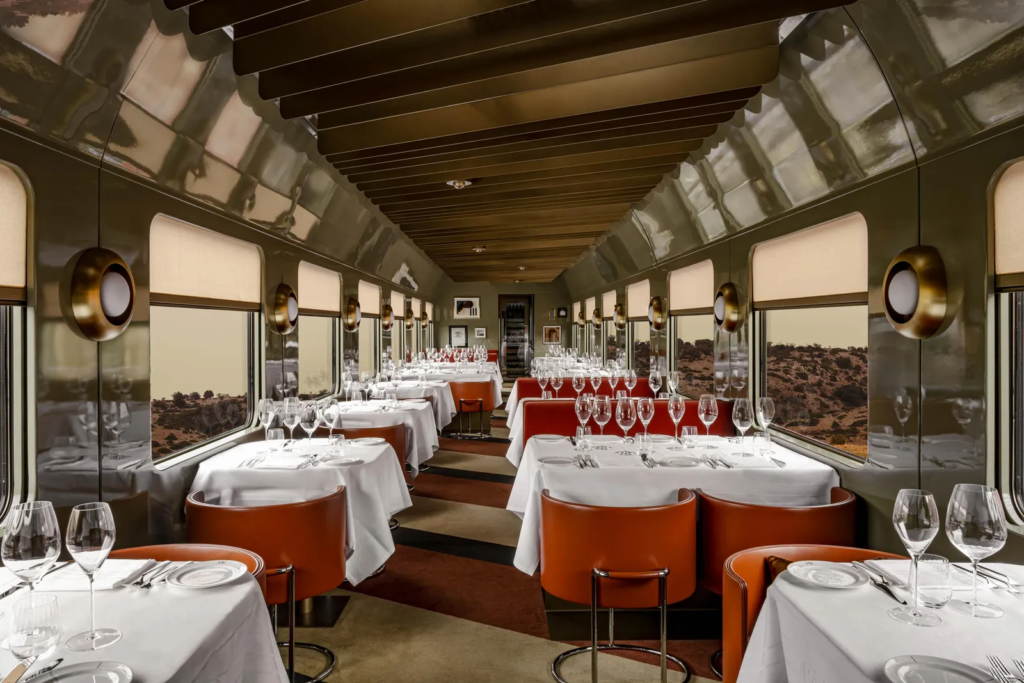
If you are in a private compartment, you are essentially in your room and normal room rules apply. Do not wander the corridors in states of undress. The dining car, if your train has one, has a dress code of “dressed,” which is more than pyjamas but less than evening wear. Tipping the sleeping car attendant at the end of the journey is correct and appreciated; they have managed your comfort through the night in a moving building and deserve the acknowledgement.
One final point on noise. Night trains are quieter than airports, louder than hotels, and entirely unlike either. The rhythm of the track becomes, after twenty minutes, a deeply reliable sound. It is the reason people sleep well on trains who sleep badly in hotels. Give it the twenty minutes.
The routes worth booking right now
Rome to Venice, Orient Express La Dolce Vita: the Italian rail journey that makes sense of the brand.
Vienna to Paris, ÖBB Nightjet: eleven hours, deluxe compartment, genuinely excellent value for what it delivers.
Zurich to Barcelona: long (overnight and then some) but one of the most scenically extraordinary rail corridors in Europe. Book the earliest possible departure and wake up in the Pyrenees.
Innsbruck to Rome, ÖBB Nightjet: arrives Rome Termini by morning, gives you the full day. The Brenner Pass in overnight darkness is its own thing.The Milan to Munich new Trenitalia high-speed route, launching 2026: not overnight, but covers a journey that previously required a connection and now does not. File under “flights you no longer need to take.”