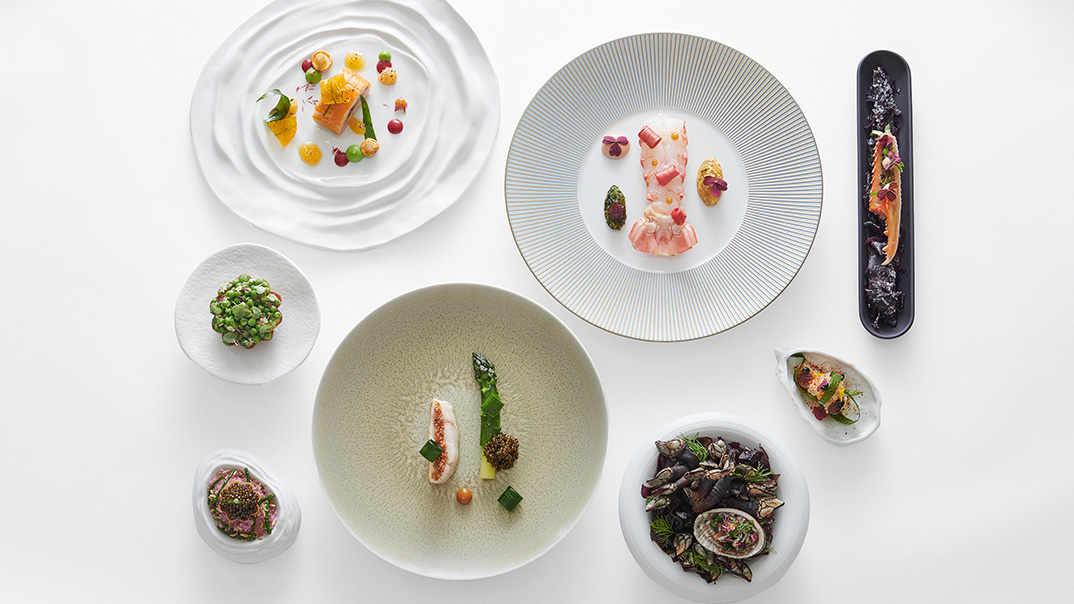
Paris remains the world’s most enduring culinary reference point. Not because it is loud, experimental, or trend-driven: but because it values mastery above all else. Restaurants here are built on discipline, repetition, and confidence, with chefs who understand that luxury is not about excess, but control. From historic dining rooms that have defined haute cuisine for decades to modern tables shaping the future quietly, Paris sets the tempo for how the world eats.
This is a considered selection of 20 parisian restaurants that embody that authority, each one influential, consistent, and unmistakably Parisian in spirit.
Arpège
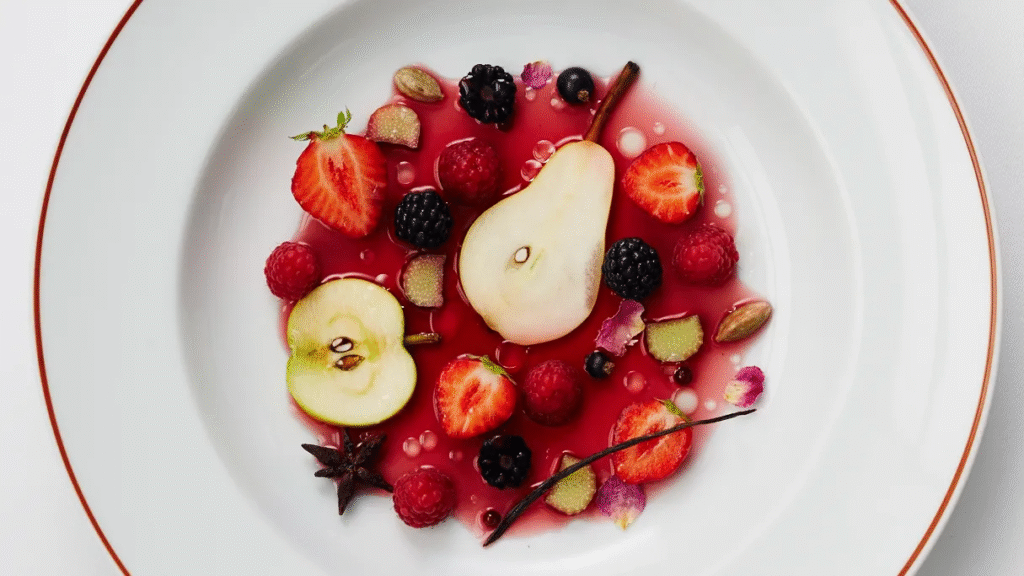
Arpège is one of the most quietly radical restaurants in the world. Alain Passard’s decision to place vegetables at the centre of fine dining reshaped global gastronomy long before sustainability became fashionable. The cooking is restrained, seasonal, and deeply precise, built around ingredients grown specifically for the restaurant. The dining room is calm and focused, encouraging attention rather than spectacle. Each plate reflects clarity, balance, and philosophical intent.
Le Meurice Alain Ducasse
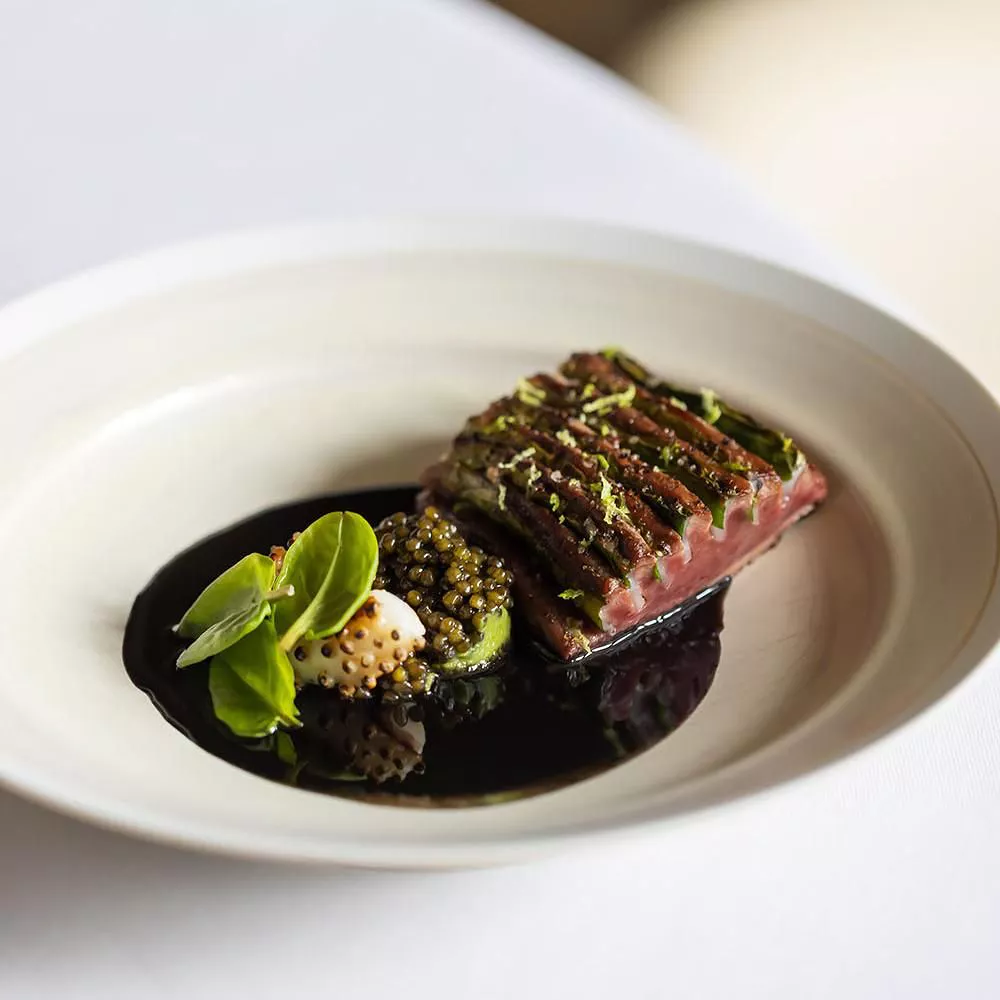
This restaurant represents haute cuisine in its most refined form. Alain Ducasse’s approach at Le Meurice is about stripping away excess while maintaining absolute technical excellence. The setting is grand yet controlled, mirroring the precision on the plate. Dishes are light, composed, and exact, showcasing discipline rather than indulgence. Service moves seamlessly, never interrupting the rhythm of the meal. It is a masterclass in how luxury can feel effortless when perfectly executed.
Guy Savoy
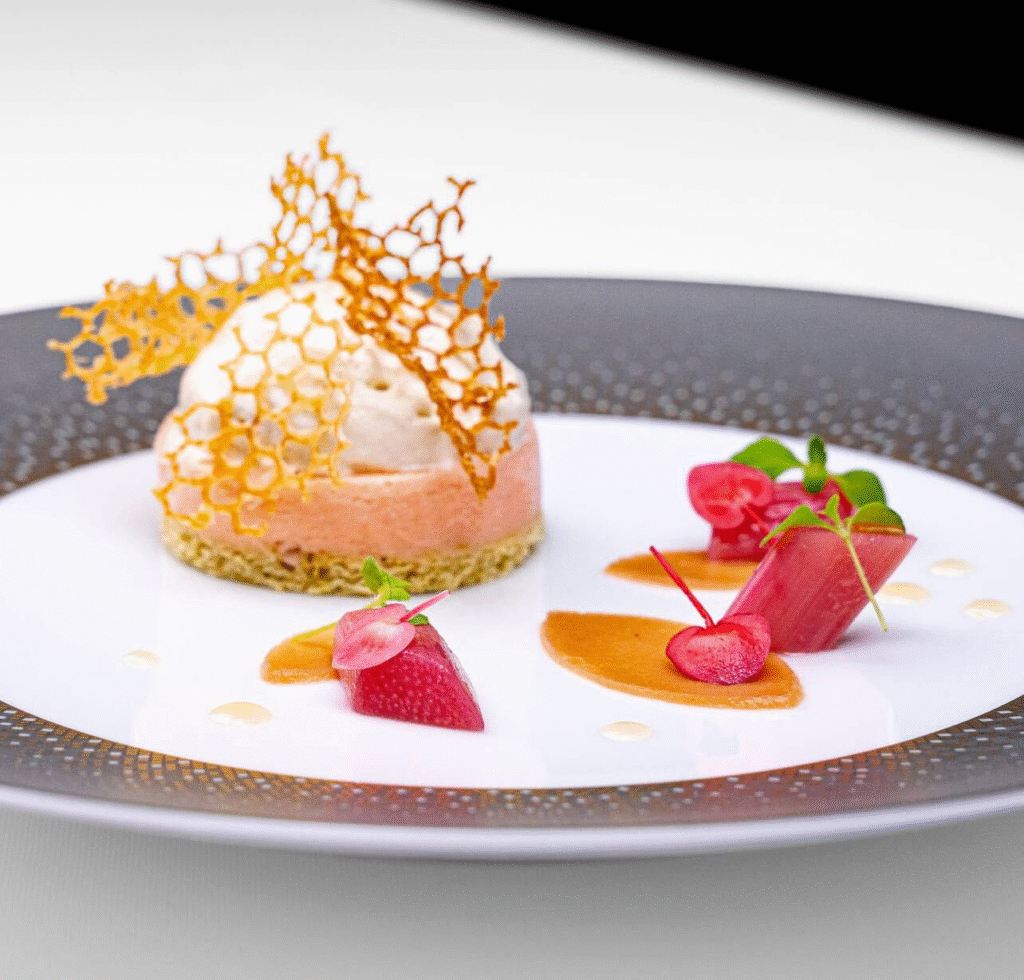
Guy Savoy’s flagship restaurant balances emotion and precision with rare ease. Located inside the Monnaie de Paris, the space feels serene and monumental at once. The cuisine is expressive, generous, and deeply personal, rooted in flavour rather than performance. Each dish reflects Savoy’s belief that food should connect intellectually and emotionally. The pacing is thoughtful, allowing the experience to unfold naturally. It is classic French cuisine with warmth, depth, and modern relevance.
Septime
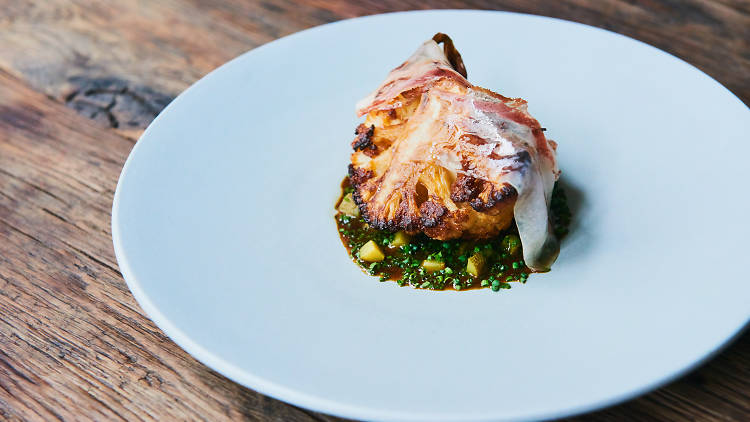
Septime helped redefine modern Paris dining. Its philosophy centres on seasonality, restraint, and thoughtful sourcing, presented in a minimal, relaxed setting. The food is quietly complex, built on contrast and balance rather than embellishment. The atmosphere feels contemporary yet serious, with service that respects the diner’s space. Its influence has spread far beyond France, shaping global perceptions of modern European cuisine. Septime proves that simplicity, when done well, is powerful.
Le Clarence
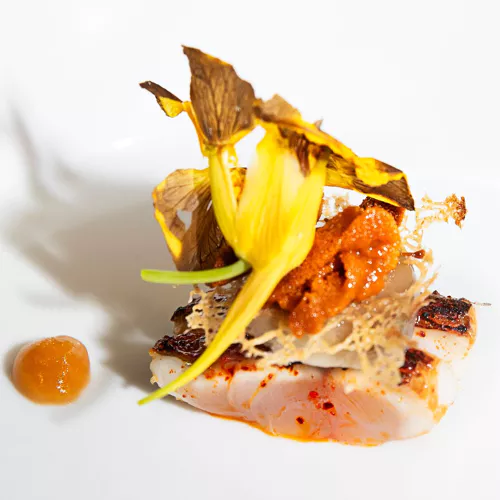
Le Clarence offers a discreet and elegant dining experience inside a private 19th-century mansion. The rooms feel intimate and composed, encouraging slow, attentive dining. The cuisine is rich, layered, and meticulously structured, designed to unfold gradually. Wine plays a central role, with one of Paris’s most respected cellars enhancing the experience. Every element feels deliberate, from lighting to service cadence. This is luxury dining defined by restraint and precision rather than display.
Plénitude
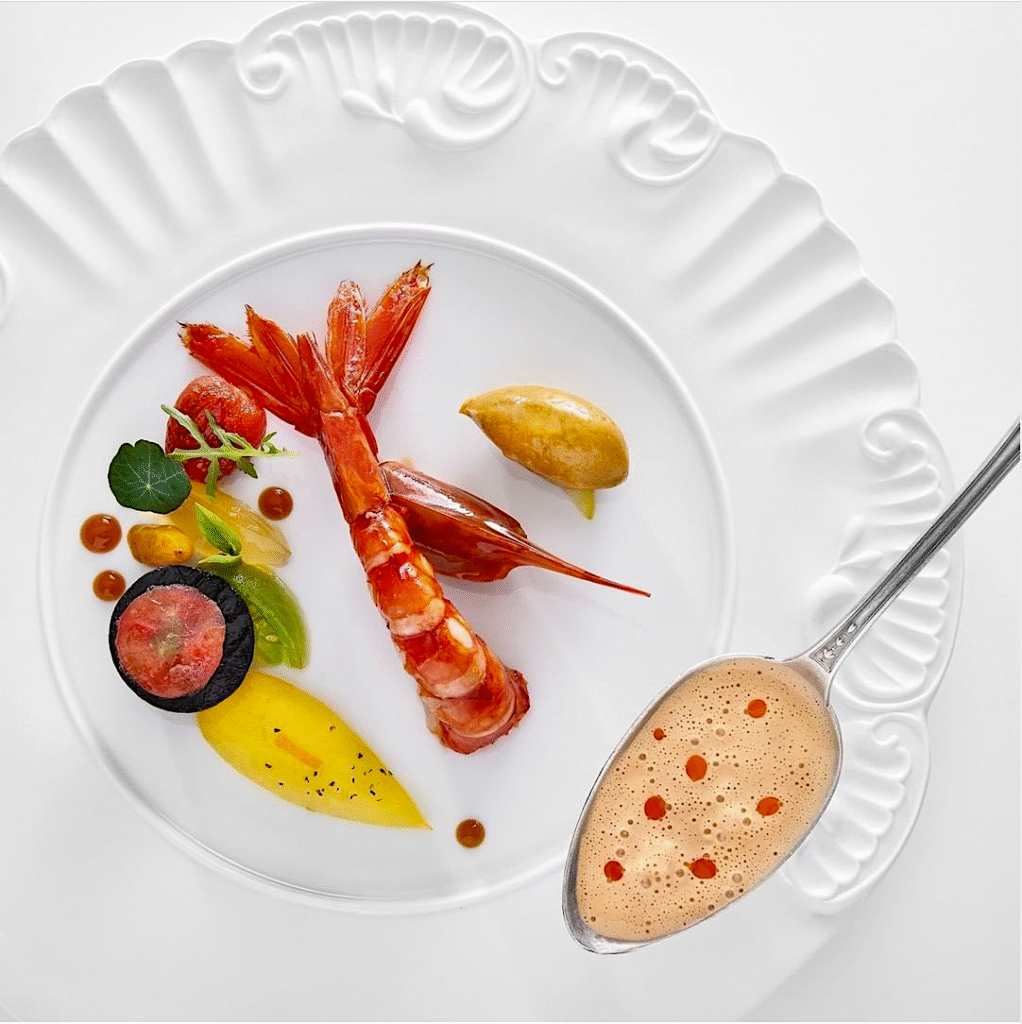
Plénitude represents a modern evolution of French fine dining. The restaurant places exceptional emphasis on sauces, depth, and harmony, redefining how flavour is constructed. The dining room is serene and architectural, allowing focus to remain on the plate. Cooking here is confident, intellectual, and technically exact. Rather than overwhelming, the experience feels measured and calm. Plénitude sets a new benchmark for contemporary luxury dining in Paris.
Le Cinq
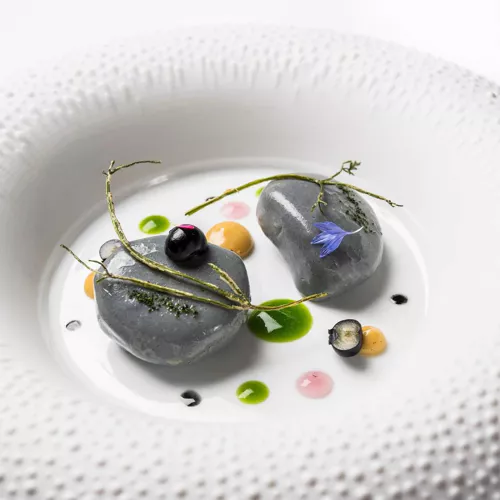
Le Cinq is unapologetically grand. Located inside the Four Seasons George V, it delivers classic French gastronomy with discipline and ceremony. The room is formal, the service precise, and the cuisine rooted in tradition. Every detail follows a clear structure, reinforcing the sense of authority. This is not a restaurant that seeks reinvention, it perfects what already exists. Le Cinq remains a pillar of Parisian culinary heritage.
David Toutain
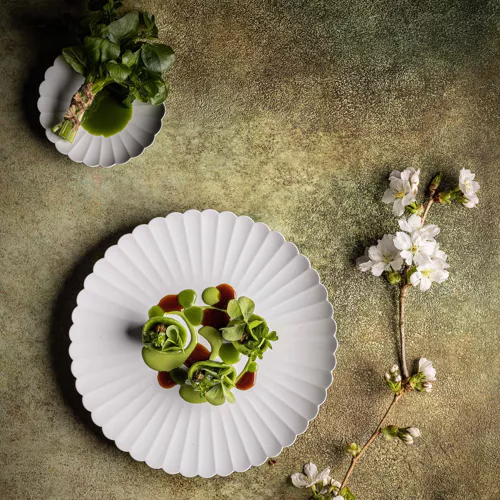
David Toutain’s restaurant reflects a thoughtful, modern French identity. His cuisine is restrained, technically sharp, and quietly inventive. Plates are minimalist yet expressive, built around texture and contrast. The dining room mirrors the food: clean, calm, and intentional. There is no excess here, only clarity. It is contemporary fine dining that rewards attention and curiosity.
L’Ambroisie
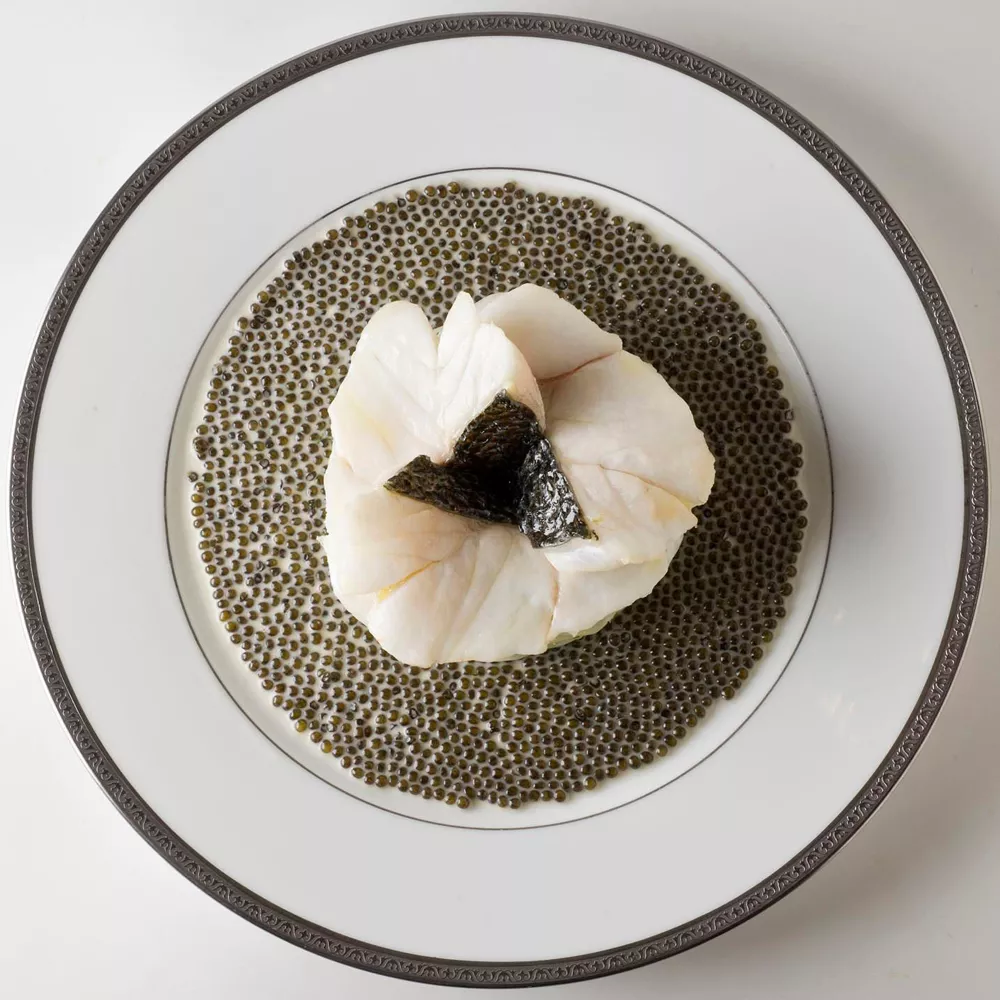
L’Ambroisie stands as one of the purest expressions of classical French gastronomy. Overlooking Place des Vosges, the setting is formal and timeless. The cuisine remains rich, precise, and uncompromising, unchanged by trends. Every dish reflects decades of mastery and consistency. This is a restaurant built on repetition, discipline, and excellence. L’Ambroisie proves that tradition, when executed perfectly, never loses relevance.
Frenchie
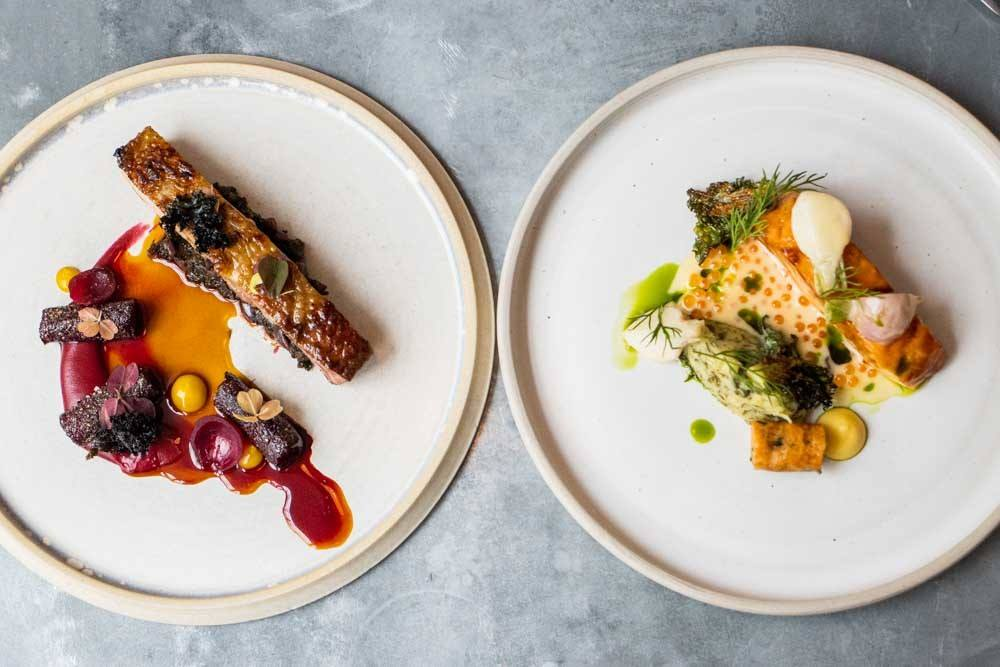
Frenchie captures the energy of contemporary Paris dining. The atmosphere is lively yet controlled, blending international influence with French technique. The food is playful but grounded, balancing creativity with precision. Service is relaxed, creating an accessible form of luxury. It reflects a younger, global-facing Paris without sacrificing quality. Frenchie feels current, confident, and well-paced.
Le Chateaubriand
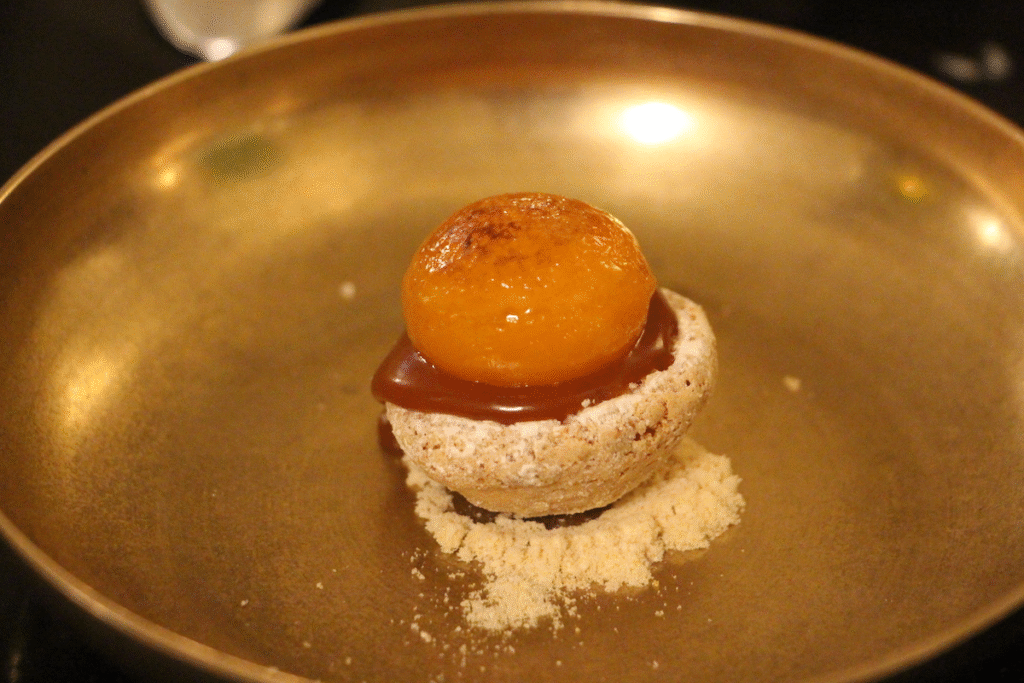
Le Chateaubriand helped disrupt traditional expectations of Parisian dining. The cuisine is instinctive, bold, and unconcerned with convention. Menus change frequently, driven by inspiration rather than structure. The experience feels raw yet intentional, challenging diners in subtle ways. Its influence has been far-reaching, particularly among modern chefs. Le Chateaubriand remains one of Paris’s most impactful restaurants.
Clamato
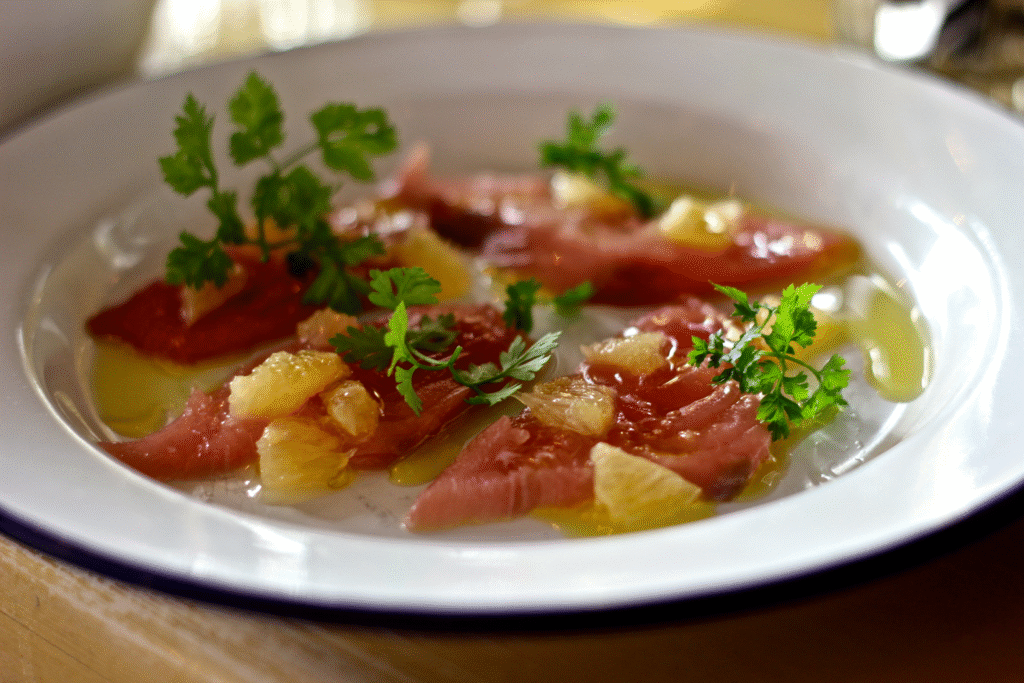
Clamato offers a focused, ingredient-driven approach to seafood. The atmosphere is informal, but the execution is precise. Dishes highlight freshness and clarity, allowing the produce to lead. There is confidence in the simplicity, with no unnecessary complexity. It represents a quieter form of excellence within the Paris dining scene. Clamato proves refinement does not require formality.
Pierre Gagnaire
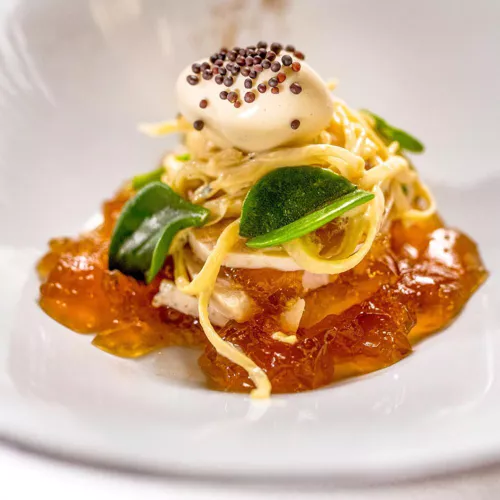
Pierre Gagnaire’s flagship is a deeply intellectual dining experience. The cuisine is complex, layered, and often challenging, demanding attention from the diner. Each dish explores contrast, tension, and creativity at a high level. The experience is immersive rather than comforting. Few chefs have influenced modern gastronomy as profoundly. Dining here feels like engaging with culinary thought itself.
Le Baratin
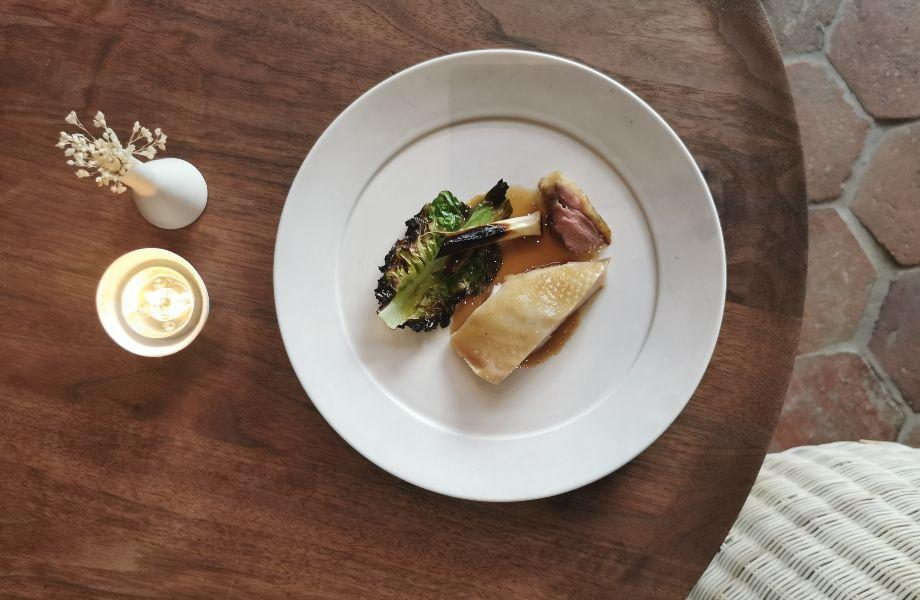
Le Baratin is celebrated for its honesty and soul. The cooking is generous, seasonal, and rooted in tradition. The atmosphere is lively, informal, and deeply Parisian. There is no performance here: just good food done with care. It captures the emotional core of Paris dining. Le Baratin remains beloved for its authenticity.
Granite
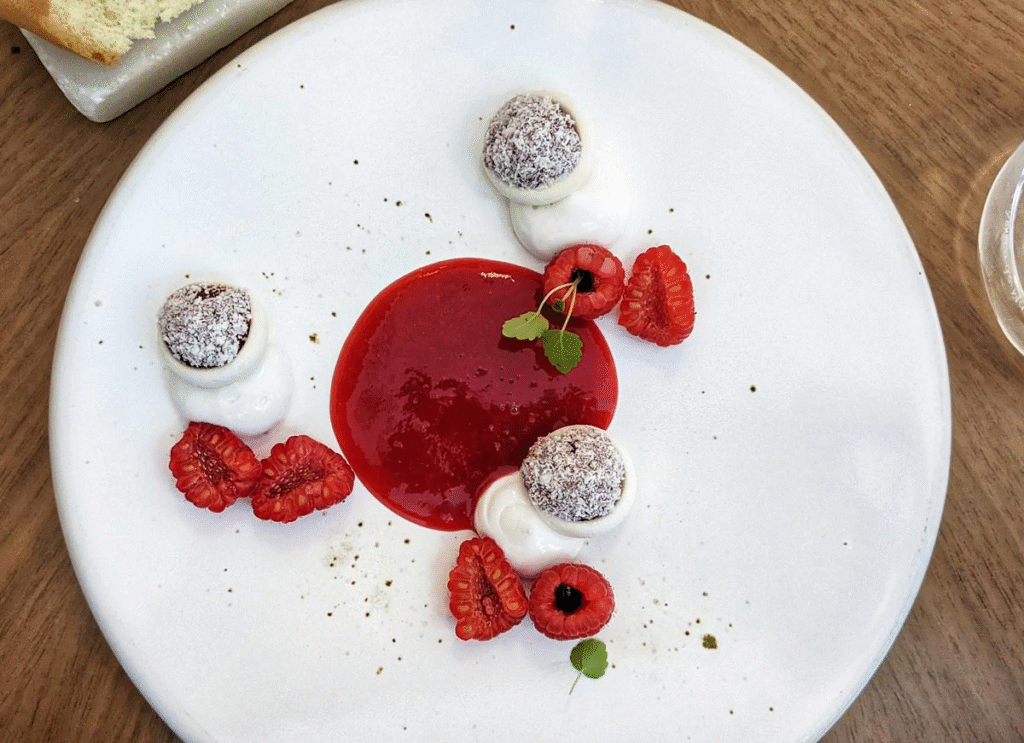
Granite delivers modern fine dining with calm confidence. The cuisine is precise, elegant, and technically assured. The dining room is understated, encouraging focus on flavour and structure. Everything feels balanced, from portion size to pacing. It is a restaurant built on control rather than theatrics. Granite appeals through quiet sophistication.
Le Taillevent
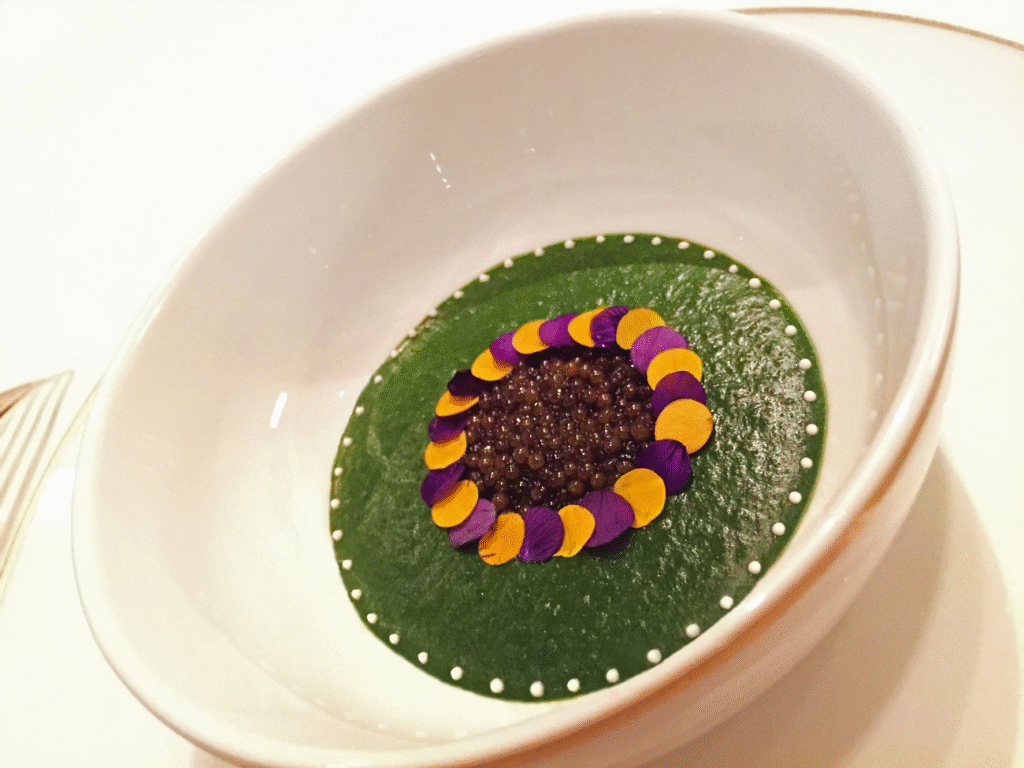
Le Taillevent is a reference point for classic French dining. The cuisine is deeply traditional, executed with consistency and authority. The setting is formal but welcoming, reinforcing its long-standing reputation. Service follows a precise rhythm developed over decades. This is a restaurant that values continuity over reinvention. Le Taillevent remains a cornerstone of Paris gastronomy.
Le Bristol Epicure
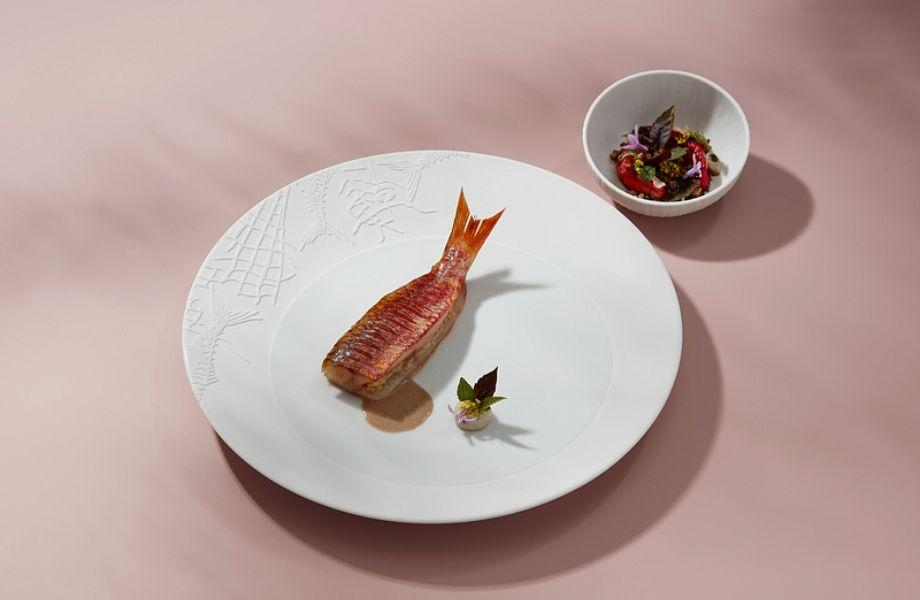
Epicure offers refined French cuisine in a palace setting. The atmosphere is serene and composed, with service that feels effortless. The cooking is elegant, balanced, and technically sound. There is a sense of harmony throughout the experience. Luxury here is subtle rather than overwhelming. Epicure reflects Parisian refinement at its most polished.
Passerini
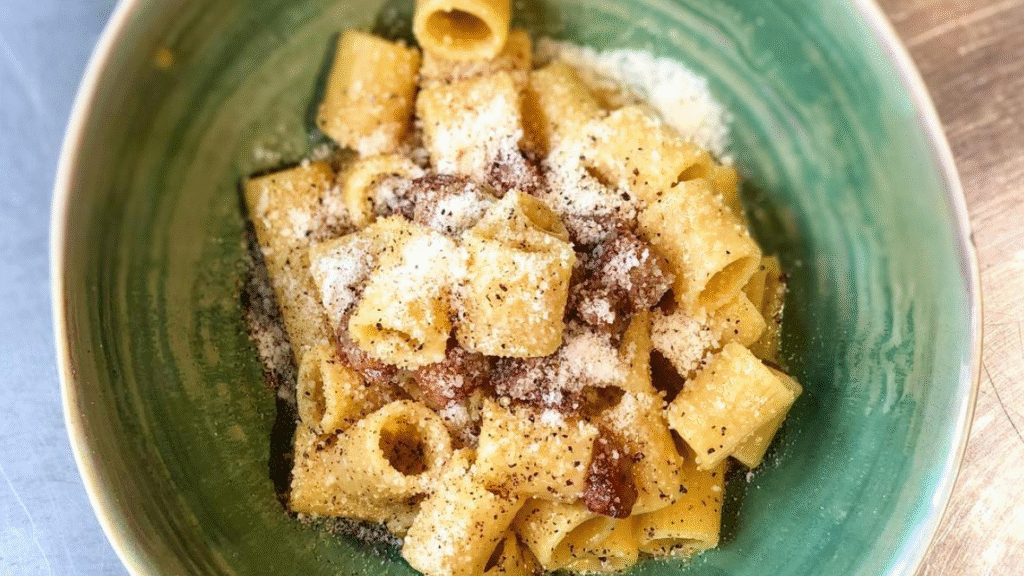
Passerini brings seriousness and depth to Italian cuisine in Paris. The food is rich, precise, and rooted in tradition. Execution is confident, allowing flavours to develop fully. The atmosphere remains understated and focused. It stands apart through restraint rather than spectacle. Passerini has become a benchmark for Italian dining in the city.
L’Oiseau Blanc
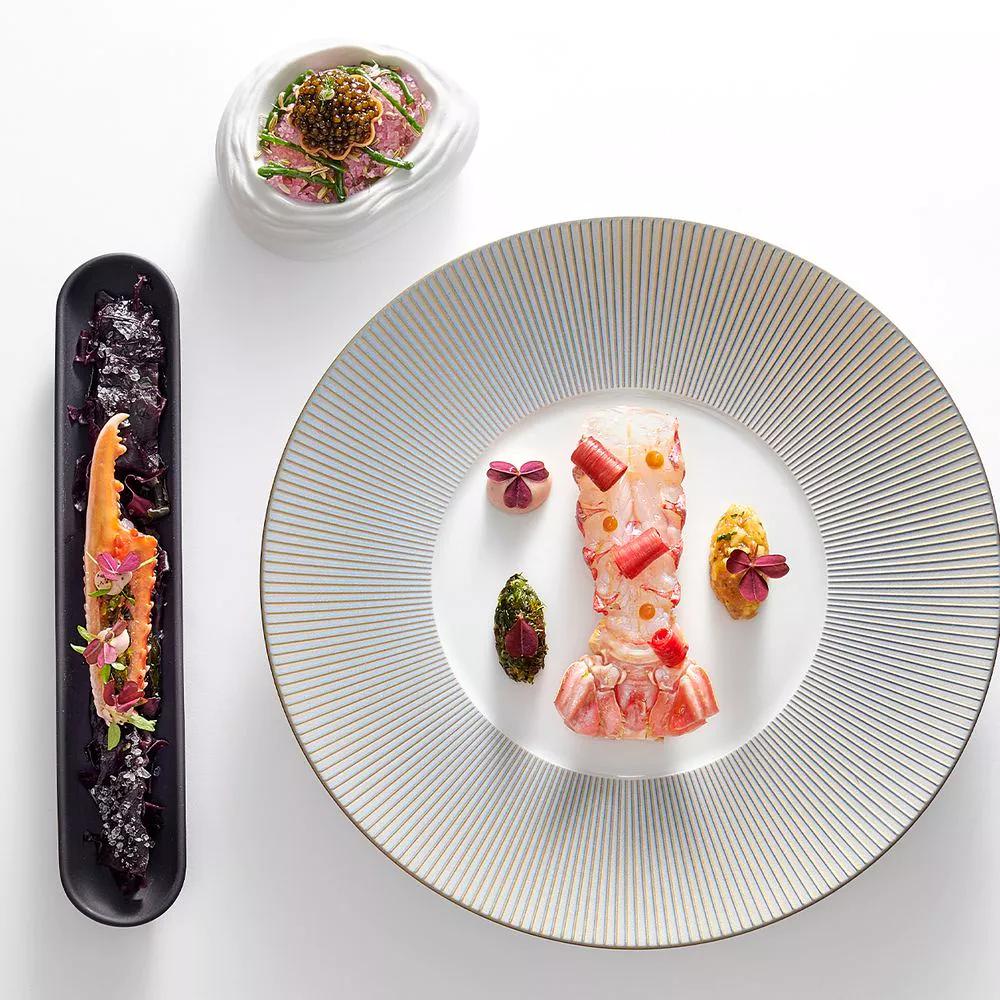
eeeL’Oiseau Blanc combines refined cooking with elevated views over Paris. The dining room feels light and modern, echoing the cuisine. Dishes are controlled, elegant, and contemporary. There is a sense of openness and calm throughout the experience. It delivers luxury without heaviness. Dining here feels elevated in every sense.
La Tour d’Argent
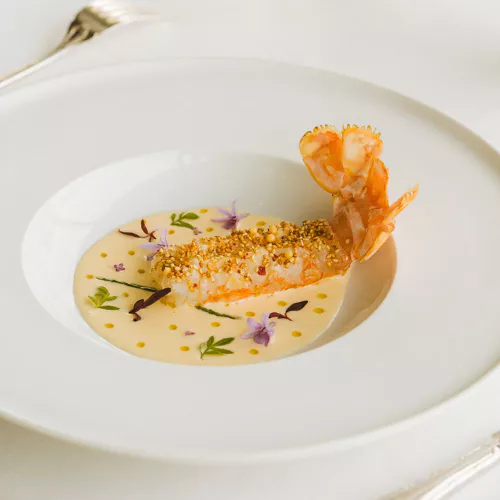
La Tour d’Argent is one of Paris’s most historic restaurants. Overlooking the Seine, it represents continuity and heritage. The service is ceremonial, the atmosphere formal, and the cuisine deeply traditional. It operates at its own pace, untouched by trends. Dining here feels like stepping into history. Its prestige remains unquestioned.
Chez l’Ami Jean
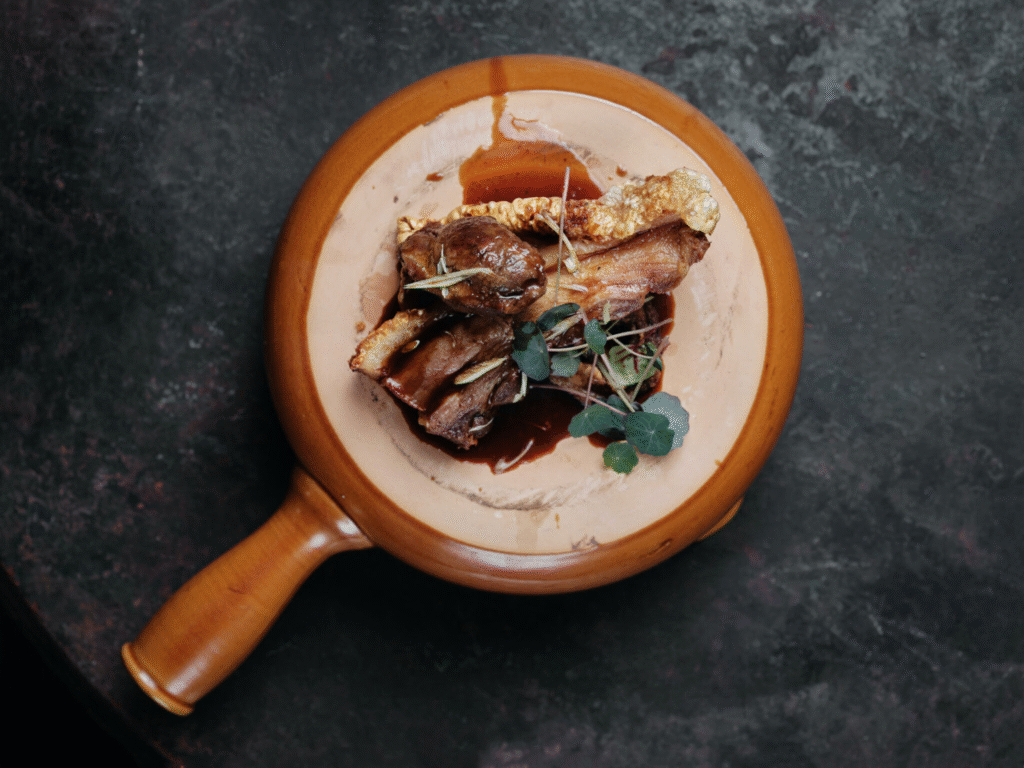
Chez l’Ami Jean is intense, energetic, and flavour-driven. The room is lively and tightly packed, adding to its character. The cuisine is bold and generous, with strong Basque influence. Precision exists beneath the warmth and noise. It is unapologetically expressive. This restaurant delivers pleasure without restraint.
Virtus
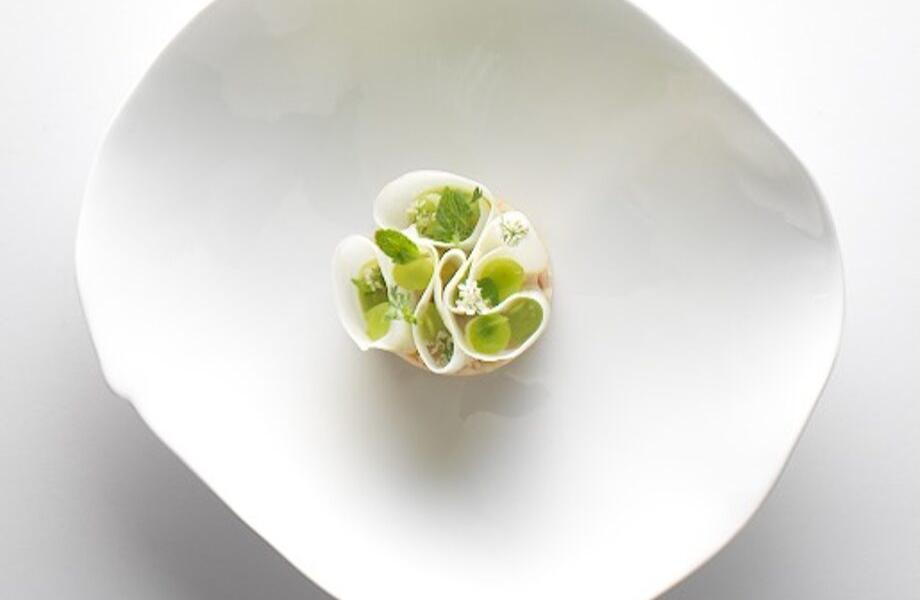
Virtus presents modern cuisine with architectural precision. The space is sleek and controlled, reflecting the structure of the dishes. Cooking focuses on balance, clarity, and technique. There is a sense of intellectual discipline throughout. Nothing feels accidental. Virtus appeals to diners who value precision above nostalgia.
Le Doyenné
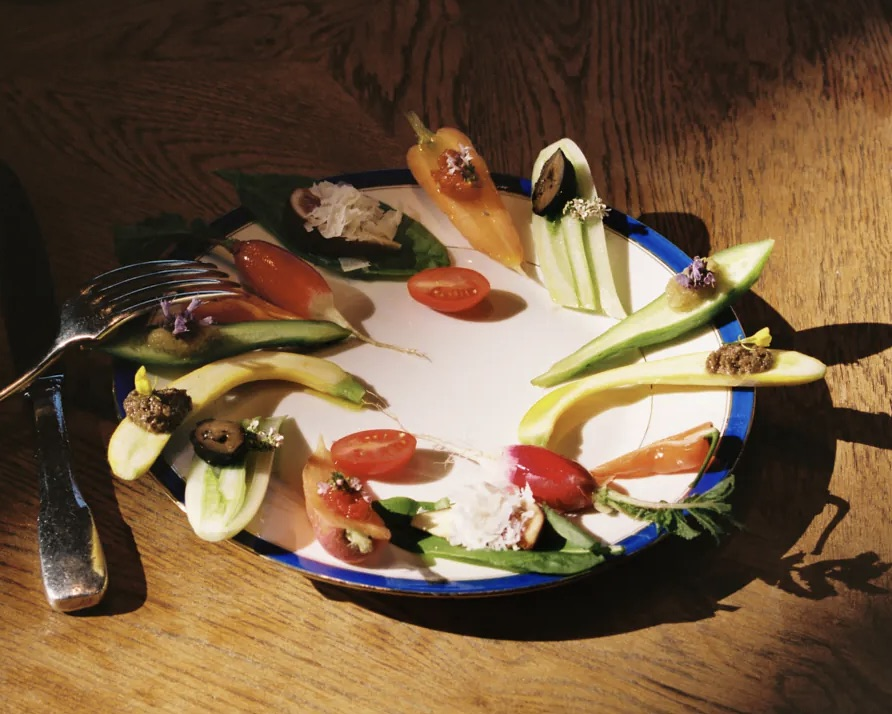
Le Doyenné focuses on nature-led, seasonal cooking. The cuisine is thoughtful and grounded, built around respect for ingredients. The experience feels calm and reflective rather than performative. There is a strong sense of place and rhythm. It offers a quieter interpretation of luxury. Le Doyenné values intention over excess.
Bistrot Paul Bert
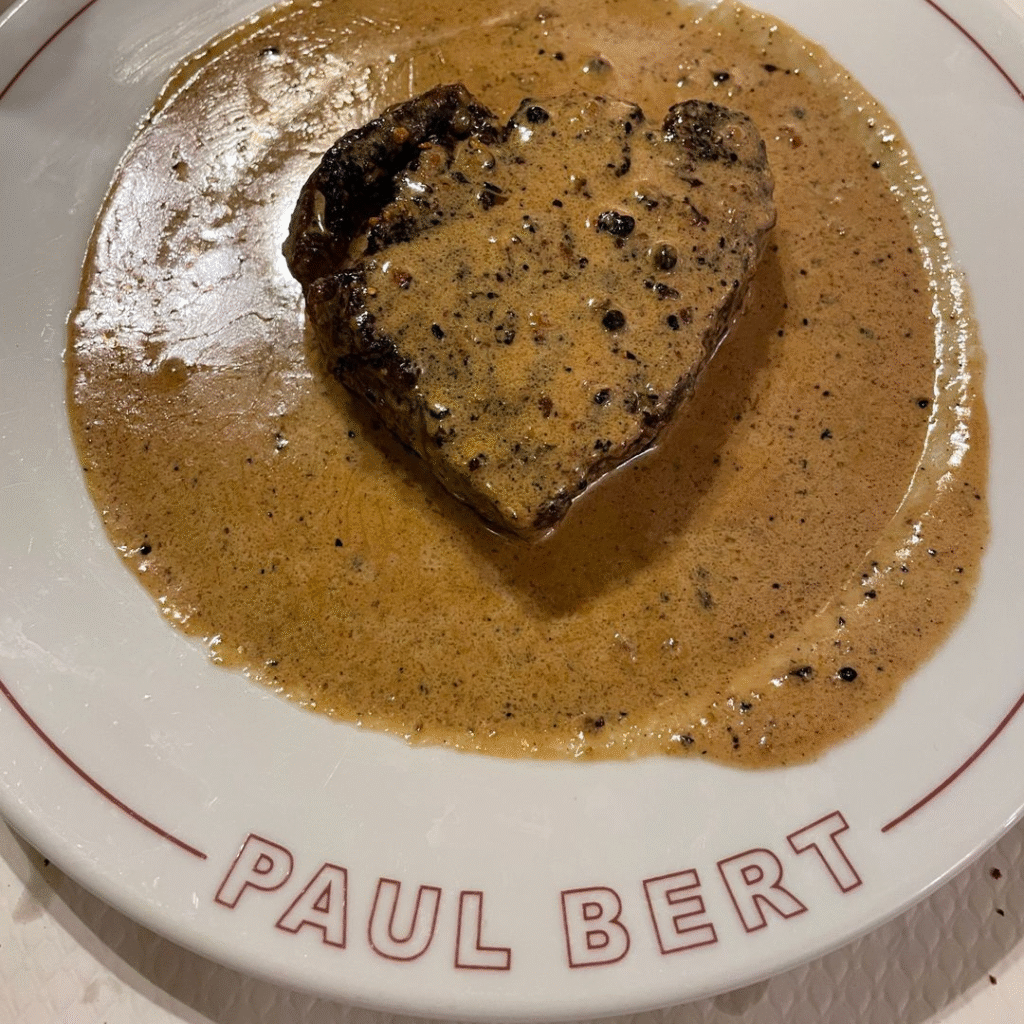
Bistrot Paul Bert captures the essence of Parisian dining. The atmosphere is lively, the food generous, and the experience unfussy. Cooking is rooted in tradition, delivered with confidence. There is no need for reinvention here. It remains one of the city’s most reliable tables. Bistrot Paul Bert endures because it understands what works.