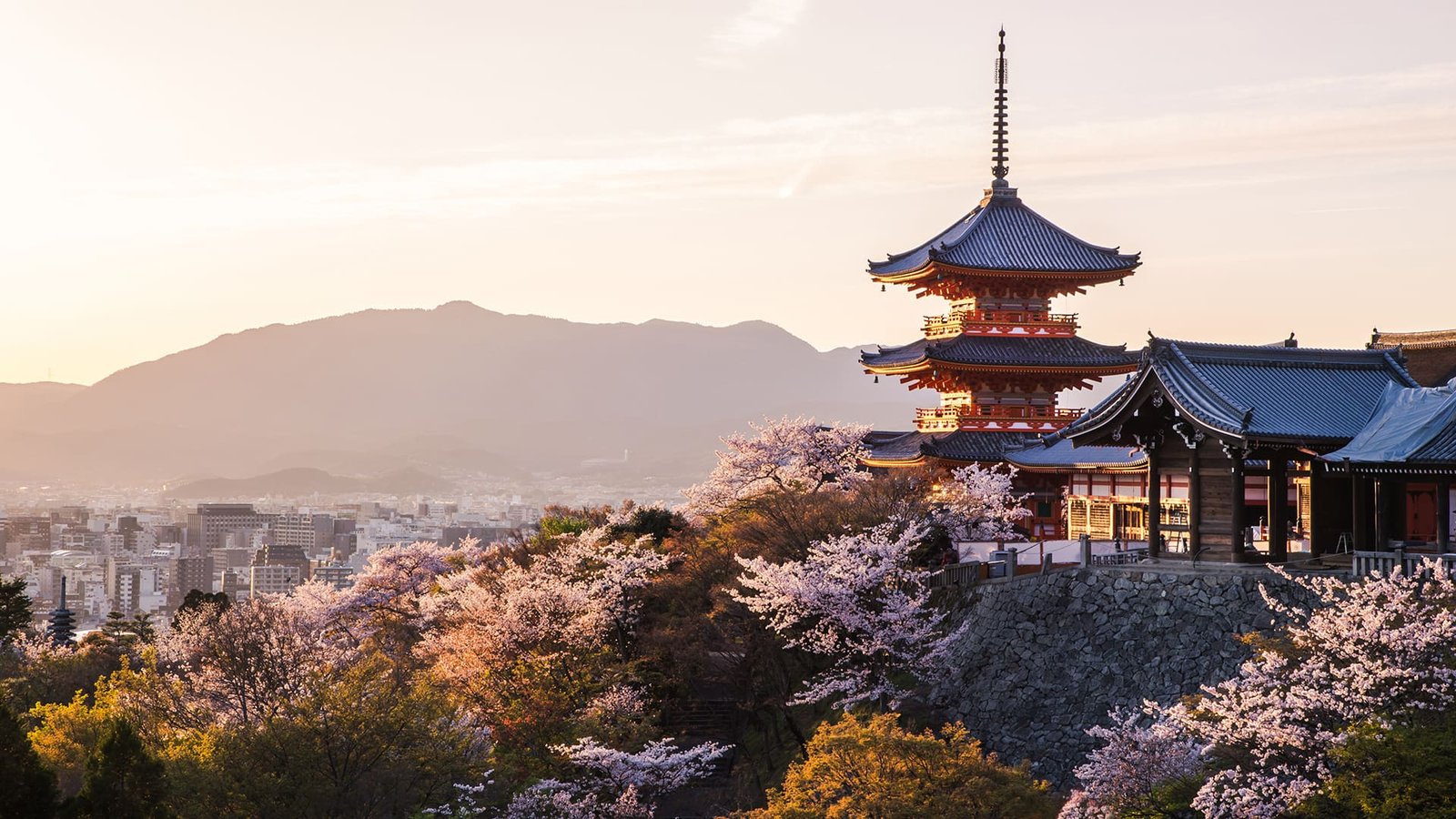
Luxury advisors are asked about Japan more than any other country. The clever move is to book the parts of the map nobody is queuing for.
For the first time in the history of Virtuoso’s annual Luxe Report, Japan has overtaken Italy as the destination luxury advisors are asked about most. The 2027 edition draws on more than 3,100 advisors in over 50 countries. Japan sits ahead of Italy, France, Greece and Spain, and Tokyo and Kyoto are the two most requested cities in the entire report.
It is a remarkable result for a country that, not so long ago, many travellers filed under “one day”. It is also a warning. If you are one of the thousands of people who have just asked an advisor for Japan, you are about to discover that you are asking for the same three cities, in the same two seasons, as everybody else.
The good news is that Japan is large, varied and, in most of its corners, wonderfully quiet. The trick is knowing where to point the itinerary.
Three Postcodes, One Country
The numbers explain the problem. Japan received a record 42.7 million international visitors in 2025, and 57.2 per cent of foreign guest nights were spent in just three places: Tokyo, Osaka and Kyoto. Meanwhile, 27 of the country’s 47 prefectures each logged fewer than a million visitors. Tottori, home to Japan’s largest sand dunes, recorded about 203,600 for the whole year.
That imbalance is the opportunity. A luxury trip to Japan does not have to mean fighting for a table in Gion or queuing for a photograph under a torii gate. It can mean three nights in the city everyone wants, followed by a week in places where the person pouring your tea has time to tell you about the garden.
Kyoto Is Still Worth It, With a Plan
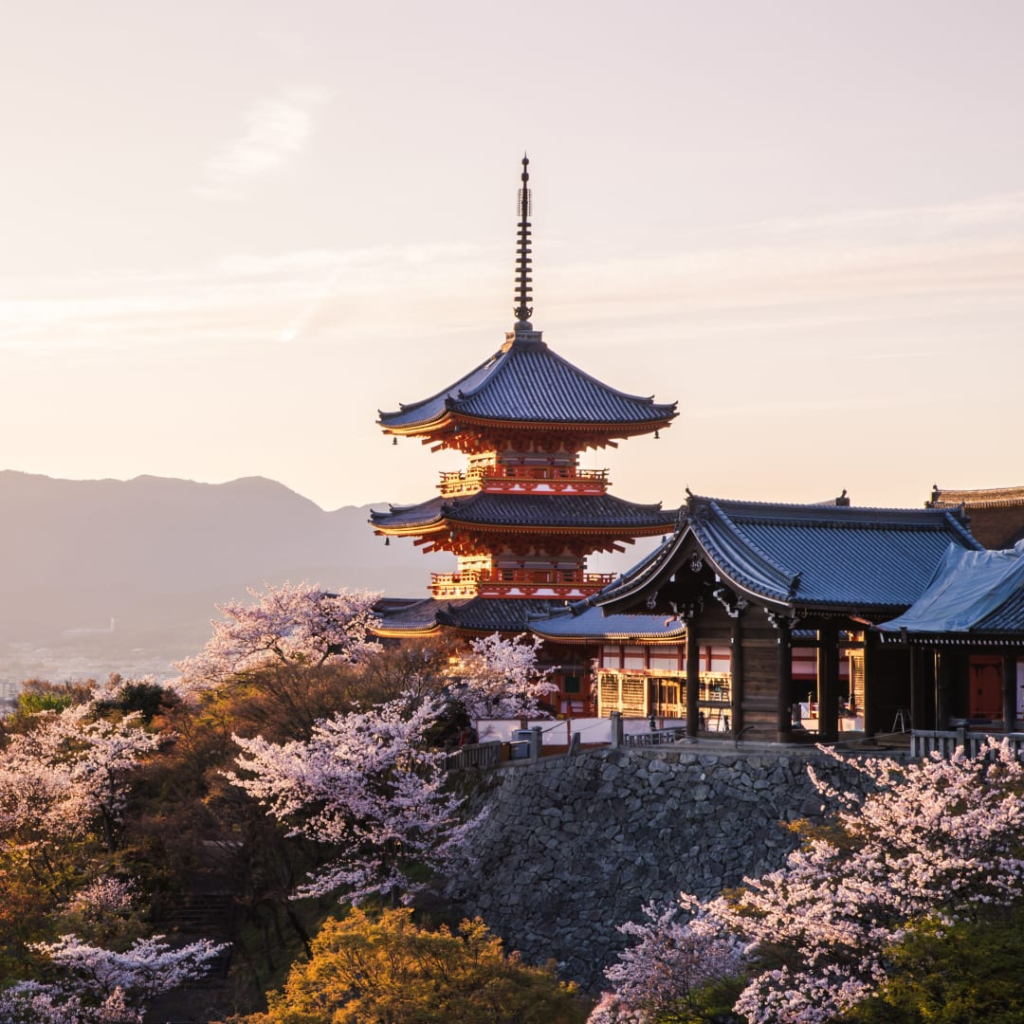
Let’s begin with Kyoto, because nobody should skip it and nobody should arrive unprepared. In 2025, foreign guests spent 18.3 million nights in Kyoto Prefecture, against 14.9 million for Japanese guests. The city has decided that visitors should help pay for the strain. Since March 2026, a room costing ¥100,000 or more a night carries an accommodation tax of ¥10,000 per person, the highest rate in Japan. The money goes towards transport, crowd control and protecting heritage sites, which is a fair trade if it works.
If you are going to pay it, pay it at the right address. Capella Kyoto opened in March 2026 in Miyagawa-cho, one of the city’s geisha districts, a four-minute walk from Gion-Shijo Station and moments from Kennin-ji, Kyoto’s oldest Zen temple. Kengo Kuma and Associates designed the building as a reinterpretation of the traditional machiya townhouse, with a courtyard garden at its heart and a palette of cypress, cedar, bamboo, Japanese paper and ceramics. Brewin Design Office of Singapore handled the interiors, which favour texture and light over ornament.
There are 89 rooms, 29 of them suites, and every room is larger than 50 square metres. The six Onsen Suites each have a private hot-spring bath overlooking a courtyard garden, with the spring water delivered daily from its source. The top-floor Capella Suite measures 206 square metres, and two Gion Suites look directly onto Kennin-ji. On the dining side, SoNoMa by SingleThread is the first overseas project from the three-Michelin-star SingleThread in Sonoma, California, alongside Lanterne for French cooking and Yoi, a Japanese restaurant built around its bar. Auriga Spa offers private rooms with natural hot springs.
A hotel this good makes it tempting to stay inside it. Resist, and use the time differently. Spend your days outside the central temple circuit. Ohara, about an hour’s drive north of the city, is a mountain-ringed village where a natural dyeing workshop lets you colour your own scarf with pigments drawn from tree roots and vegetables. If you want Fushimi Inari, go by bicycle in the early morning or the evening: a half-day ride along the Yamashina River finishes at the shrine and avoids the middle-of-the-day crush. Arashiyama’s bamboo grove and Tenryu-ji temple reward the same discipline. Be there as it opens, and be gone by the time the coaches arrive.
Hyogo, West of Osaka
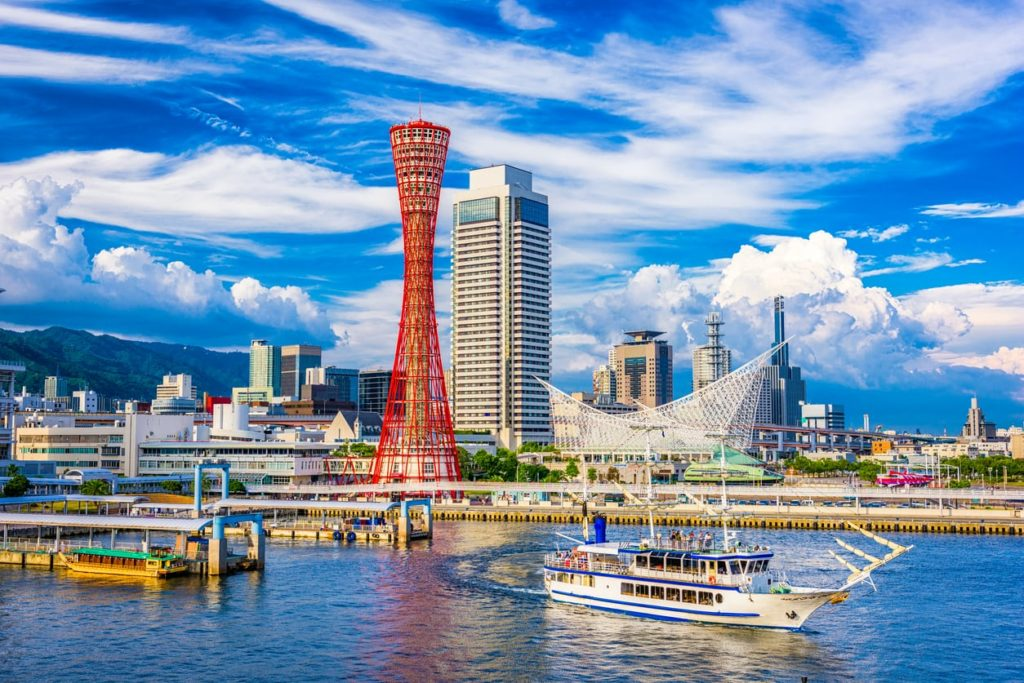
Now for the part of the map that deserves your attention. Hyogo Prefecture sits at number two on Expedia’s 2027 list of destinations, with searches up 95 per cent. It is a sensible choice: a castle, a coast, an island and some of the best-loved hot-spring towns in the country, all within easy reach of Osaka and Kobe and nowhere near as busy as Kyoto.
Himeji. Himeji Castle was inscribed as a UNESCO World Heritage Site in 1993 and is described as the finest surviving example of early 17th-century Japanese castle architecture. Eighty-three buildings of wood and white plaster make up the complex, and the main keep dates from 1609. The nickname is Shirasagi-jo, White Heron Castle, and it earns it: the layered roofs and pale walls look like a bird mid-wing. Go early, go slowly and give it a full morning.
Takeda. Further inland, the ruins of Takeda Castle sit on a ridge above the valley and are known as the castle in the sky. On clear autumn mornings, cloud fills the valley below and the stones appear to float. Visitors have compared it to Machu Picchu, which is a generous comparison but not an unreasonable one.
Kinosaki Onsen. This is the place to understand why Japanese travellers love a hot-spring town. The idea is simple. You check in to a ryokan, change into a cotton yukata, slip on wooden geta sandals and wander between public bathhouses along a willow-lined river. Kinosaki has seven of them, each with its own character, though one has been closed for some time, so check before you go.
Goshonoyu is the most popular, with outdoor pools facing a waterfall. Ichinoyu, the “Number One Bath”, has a cave bath of enormous boulders and a building styled like a kabuki theatre. Konoyu is the oldest, with an outdoor bath in a rock garden. Yanagiyu, the “Willow Bath”, is the smallest and has the hottest water. Mandarayu has two single-person ceramic tubs on the spot where a monk is said to have prayed for a thousand days. Ryokan guests receive a pass that covers every bathhouse, and each house closes on a different weekday, so plan your evening accordingly.
Come between November and March if you can, when Matsuba snow crab is in season, and expect it on the table at dinner. Getting there takes about two and a half hours by JR Limited Express from Osaka or Kyoto, and ryokan guests are met at Kinosaki Station with a free shuttle. The long-established Nishimuraya ryokan appears on Hyogo’s own luxury itineraries, paired with a Noh performance.
Arima Onsen. Closer to Kobe, Arima is one of the oldest hot-spring towns in Japan, with a history that tradition dates back around 1,400 years. Tocen Goshoboh was founded in the Kamakura period under the name Yuguchiya and has a long record of hosting shoguns and writers. It is a quieter, more formal counterpart to Kinosaki.
Awaji Island. For a seaside finish, cross to Awaji Island. Tadao Ando designed the tearoom at the Awaji Yumebutai cultural resort, and the island’s traditional puppet theatre, Awaji Ningyo Joruri, uses three-person puppets accompanied by chanting and shamisen, with foreign-language audio guides on hand. Hotel Anaga serves lunch overlooking the Naruto Strait, and Hotel New Awaji Amahara offers a seaside villa where every room has its own private bath.
Kobe. On the way back, remember that Kobe beef comes from Tajima cattle raised in Hyogo, and that a promotion council has set the standards for the name since 1983. If you eat one great meal in the prefecture, make it that one.
Let a Train Do the Slow Part
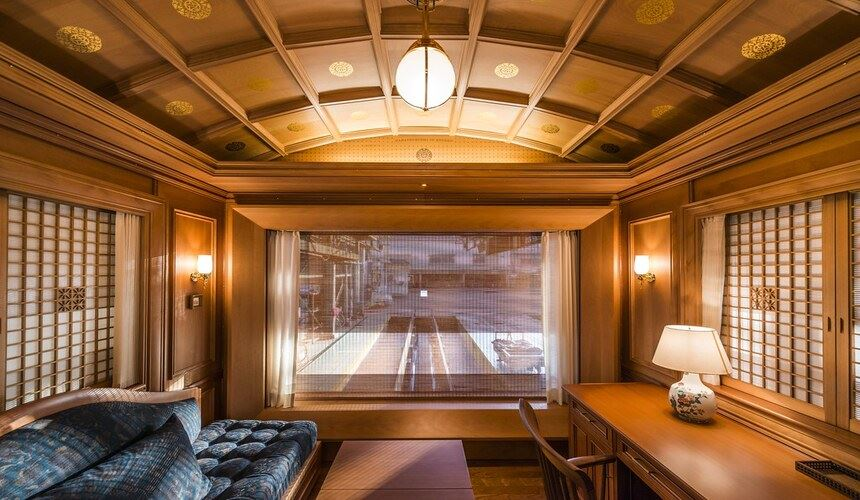
Japan has made an art of the slow journey, and two trains deserve a place in your planning.
Seven Stars in Kyushu launched in 2013 as Japan’s first luxury sleeper train and has been oversubscribed ever since. Its seven cars carry a maximum of 20 passengers in ten suites, so there is nobody to queue behind. For 2026 it added three itineraries from Hakata Station in Fukuoka, to the mountain gorge town of Takachiho, the volcanic onsen resort of Unzen and the Kuju highlands. Standard places are allocated by ballot. Specialist agents sell train-only departures directly: for the four-day Unzen Course in 2026, one operator listed guide prices from £14,990 per cabin, which gives you an idea of what you are signing up for. Dates and prices change each season, so check the operator before you commit.
JR East’s Luna Azul arrives in the 2027 financial year and is a different proposition: a new overnight limited express that runs between Shinagawa in Tokyo and Aomori in the north from spring to autumn, twice a week each way, carrying up to 125 passengers on a journey of 12.5 to 15 hours. In winter it switches to a daytime service on the same Tokyo route out to Naganohara-Kusatsuguchi in Gunma, close to the hot-spring town of Kusatsu, six times a week. Cabin details have not yet been announced.
Save the Snow for Later
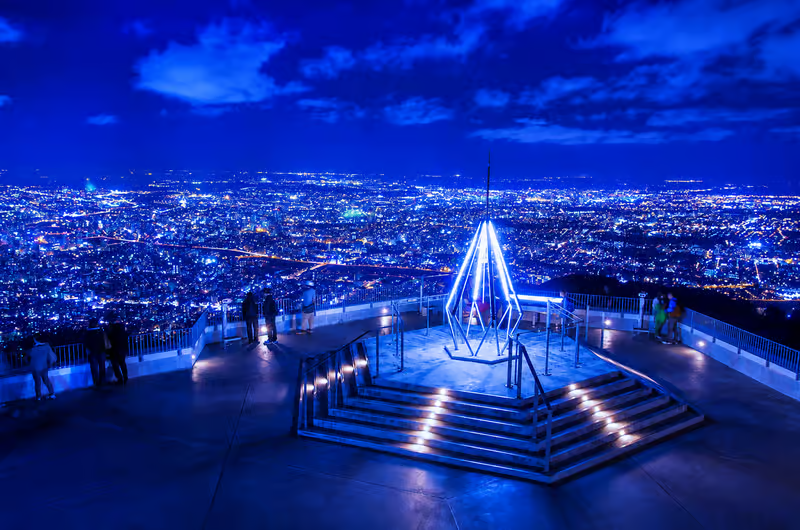
If your Japan wish list includes Hokkaido powder, patience is advised. Aman Niseko, on the slopes of Mount Moiwa, was first announced for 2023, then pointed towards 2027, and now carries an opening date of 2030 on Aman’s own website. The plans are worth the wait: 30 suites in a mountain-view pavilion, 31 freestanding private residences with indoor and outdoor onsen, and what Aman calls Japan’s first destination wellness retreat, designed by the late Kerry Hill. The spa promises onsen, Finnish saunas, Watsu chambers and cold plunges, a tea room and treatments that draw on shiatsu, Kampo and zazen. It sits within a 187-hectare mountain reserve. For now, Hokkaido’s established ski hotels will have to do.
When to Go
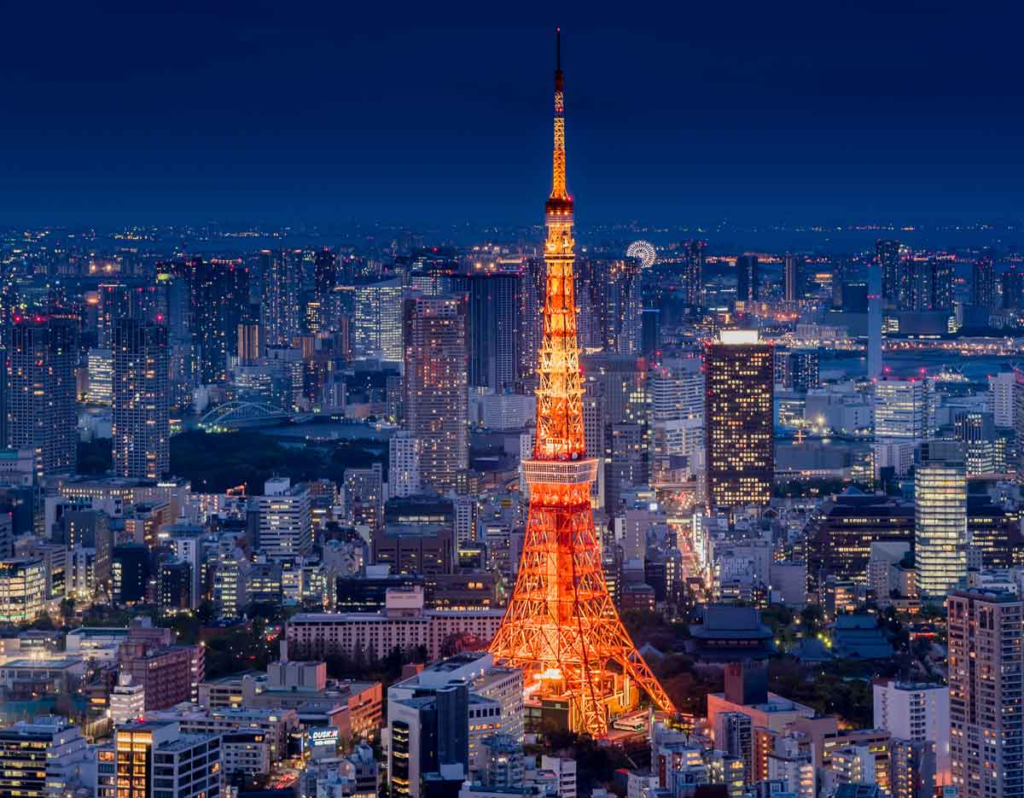
Hyogo rewards the shoulder seasons and the colder months more than most of Japan. Autumn is the time for the cloud-filled valley at Takeda, and winter, from November to March, brings Matsuba snow crab to the tables of Kinosaki and a good reason to spend long evenings in hot water. In Kyoto, the equation runs the other way: the less famous the week, the better the city. Avoid the cherry blossom fortnight and the height of the autumn colour, and the Capella tax suddenly feels like a fair price for a city you can actually walk through.
Whatever the season, think in regions rather than in cities. A single base in Hyogo with a rental driver, or a chain of short train hops, lets you see far more of the prefecture than a rushed tour ever could.
Putting It Together
Advisors are urging clients to secure spring and autumn 2027 hotels early, so start with the dates and work outwards. A shape that suits the numbers looks like this:
- Two nights in Tokyo, enough to adjust without getting swallowed.
- Three nights in Kyoto, outside cherry blossom and peak autumn weeks, with Capella as the base and outer districts for the days.
- Four or five nights in Hyogo, split between a castle morning in Himeji, an evening of bathhouses in Kinosaki, and a night in Arima or on Awaji.
- A sleeper train, if the ballot gods smile, as the finale.
Book the hotels first, because the best rooms go first. Travel by train wherever you can; the network is one of the great pleasures of the country. And leave one day empty, because in Hyogo the best discoveries tend to happen when nothing has been planned.
Japan is everybody’s first choice for 2027. It does not have to feel that way.