Kyoto is beautiful, but it is rarely quiet. These are the towns we head to instead: places with temples, onsen, old streets and extraordinary food, but without the queues. Several have brand-new luxury ryokan to make the journey even more tempting.
Anyone who has stood in the crowd on the path through Arashiyama’s bamboo grove knows the feeling. You have flown halfway around the world for a moment of Japanese stillness, and instead you are in a slow-moving queue of selfie sticks.
Kyoto is still one of the most extraordinary cities on earth. But in peak seasons, particularly cherry blossom in spring and the autumn leaves in November, its most famous sights can feel more like theme parks than temples. And the city’s luxury hotel scene is booming, with major openings such as Capella Kyoto in March this year, which only adds to the pressure on its narrow lanes.
The smart travellers we know have a different strategy. They do Kyoto briefly and early, then head somewhere else. Trafalgar’s editor put it neatly when he said the real story of Japan in 2026 is people exploring deeper, and that the further you go from the big cities, the more the country opens up.
Here are the towns we go to when Kyoto gets too much.
1. Kanazawa, Ishikawa
Why go: Everything people love about Kyoto, at half the volume.
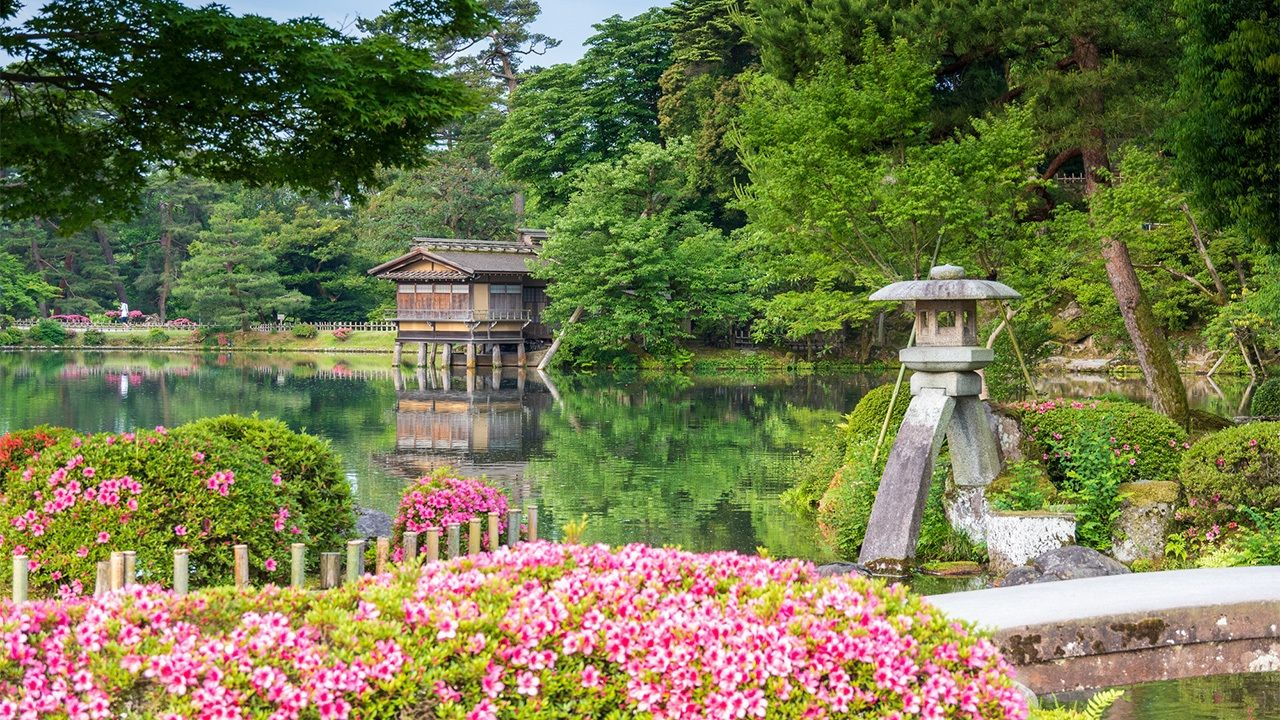
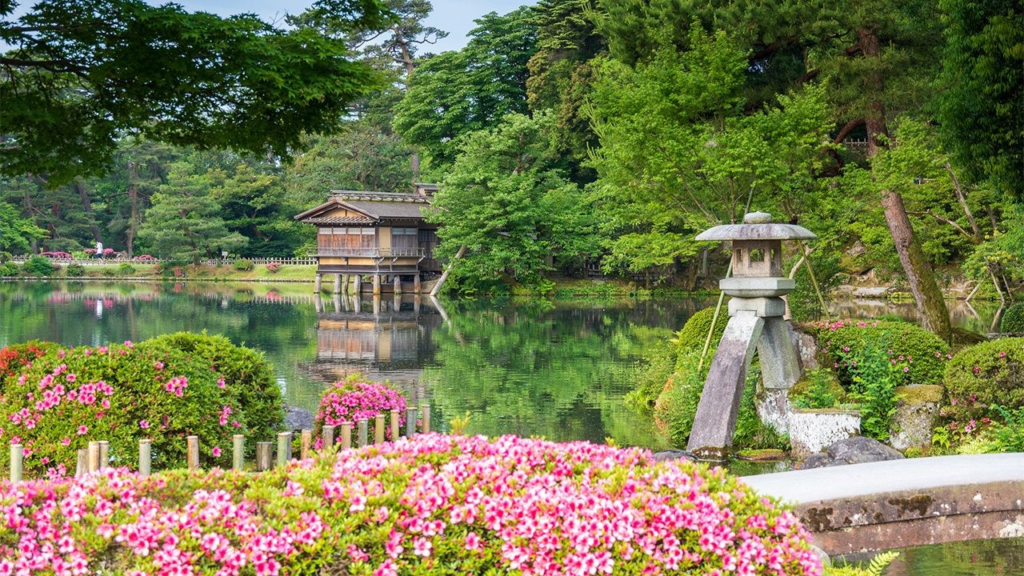
Kanazawa escaped bombing in the Second World War, which means its old districts survived intact. The Higashi Chaya district has wooden teahouses where geisha still perform. The Nagamachi samurai quarter has earthen walls and quiet canals. And Kenroku-en, often counted among the three great gardens of Japan, is magnificent in autumn, when the maples turn and the gardeners tie the pine branches with ropes to protect them from the winter snow.
The city is also one of Japan’s great craft centres. It produces almost all of the country’s gold leaf, and you will find it on everything from lacquerware to ice cream. For something modern, the 21st Century Museum of Contemporary Art is one of the most enjoyable art museums in the country, with Leandro Erlich’s swimming pool installation a highlight.
Kanazawa is also a seafood city. Omicho Market, open since the Edo period, sells crab, sweet shrimp and fatty tuna straight from the Sea of Japan. In winter, the snow crab season is reason enough to visit.
Getting there: The Hokuriku Shinkansen connects Kanazawa with Tokyo in around two and a half hours.
2. Takayama, Gifu
Why go: An old merchant town in the Japanese Alps, with sake breweries and some of the best beef in the country.
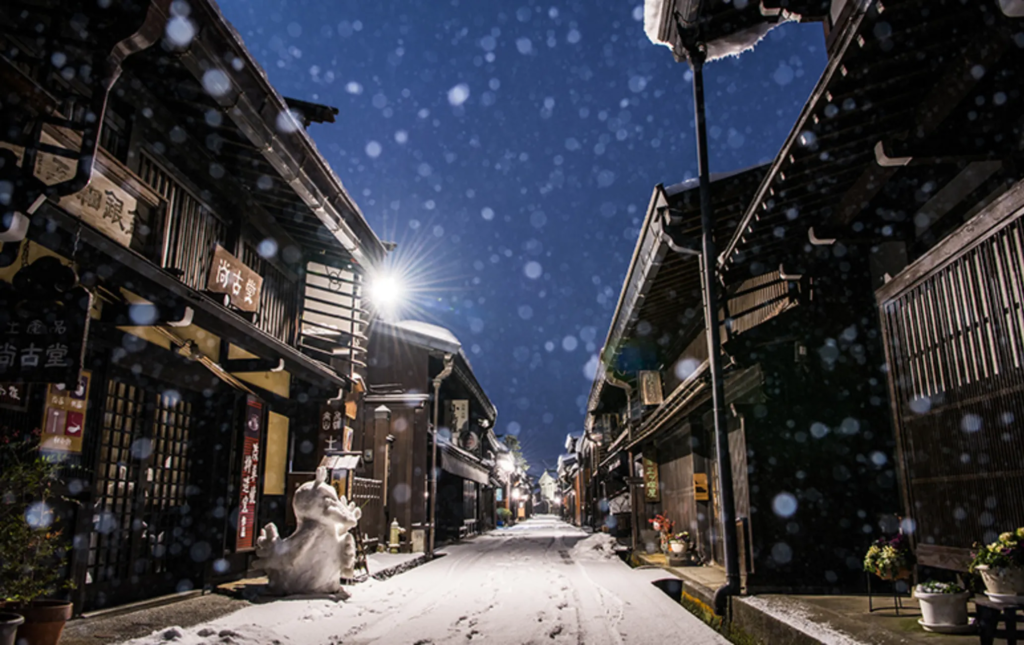
Takayama’s old town is made up of dark wooden merchant houses, several of them home to sake breweries marked by hanging balls of cedar. Walk the streets early in the morning, when the two morning markets set up along the river selling pickles, miso and local vegetables.
The surrounding Hida region is famous for its wagyu, Hida beef, which appears grilled on skewers, in sushi and on hoba leaves cooked over charcoal. In October, the Takayama Autumn Festival brings ornate floats through the streets, one of Japan’s most celebrated festivals.
Takayama is also the gateway to Shirakawa-go, the UNESCO-listed village of steep thatched farmhouses. Day trippers flood it at midday, so if you visit, go early or stay overnight in one of the farmhouse inns.
Getting there: The Hida Limited Express runs from Nagoya through a dramatic mountain valley.
3. Matsumoto, Nagano
Why go: An original castle, the mountains on the doorstep and a newly reopened ryokan.
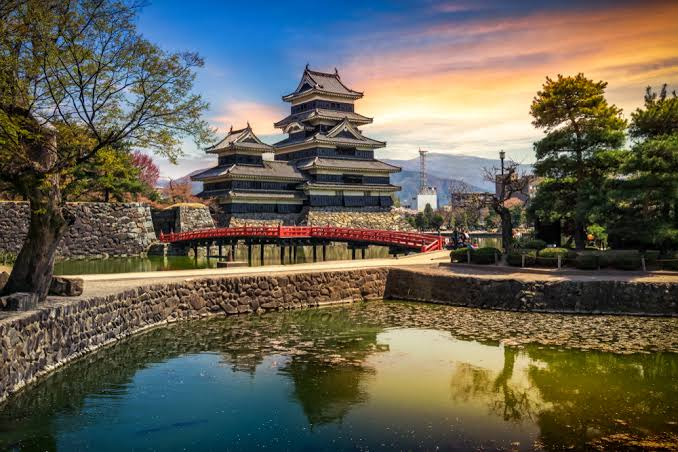
Matsumoto Castle is one of only a handful of original castles left in Japan, and its black walls, often called the Crow Castle, are dramatic against the snow-capped Northern Alps behind it. Inside, the steep wooden staircases and narrow windows give a real sense of the building’s age.
The town around it is relaxed and walkable, with a strong craft tradition, independent coffee shops and the Matsumoto City Museum of Art, which celebrates the work of local-born artist Yayoi Kusama.
The news this year is KAI Matsumoto, Hoshino Resorts’ onsen ryokan, which reopened on 4 August 2026 after extensive renovation. It sits in a hot spring area just outside the centre, making it easy to combine a morning at the castle with an afternoon in the baths.
Getting there: Limited express trains run from Tokyo’s Shinjuku Station in around two and a half to three hours.
4. Kusatsu Onsen, Gunma
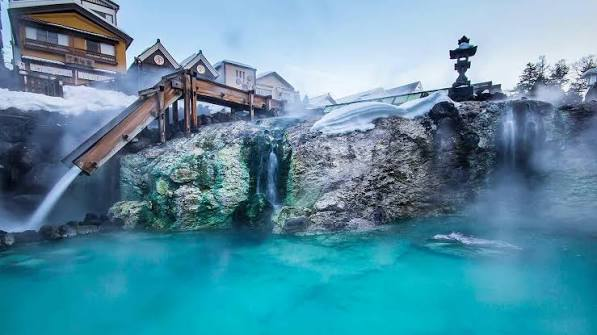
Why go: One of Japan’s most famous hot spring towns, now with a serious luxury option.
Kusatsu is the onsen town that other onsen towns envy. At its centre is the yubatake, the “hot water field”, where steaming spring water cascades through long wooden channels to cool before it is piped to the town’s baths. At night it is lit up, and the steam drifts across the square.
The water here is strongly acidic and has long been credited with healing powers. Watch a yumomi demonstration, where performers stir the hot water with long wooden boards while singing traditional songs to cool it.
The opening to know about is KAI Kusatsu, which opened on 7 June 2026. Japan Royal Service, a specialist travel company, describes it as repositioning one of Japan’s most storied hot spring towns towards luxury wellness. Expect private baths, regional kaiseki and an atmosphere built around slow, restorative stays.
Getting there: Take the train from Tokyo to Naganohara-Kusatsuguchi, then a short bus ride up the mountain.
5. Miyajima, Hiroshima
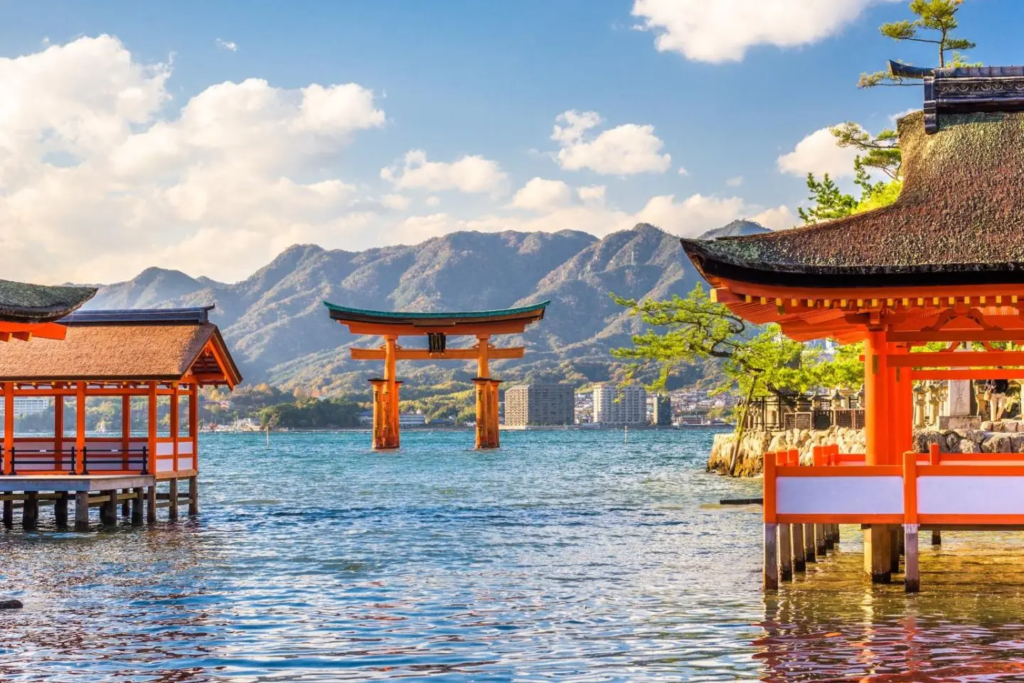
Why go: Stay overnight on the sacred island, and the crowds disappear.
Itsukushima Shrine’s great red torii gate, which appears to float on the water at high tide, is one of the most photographed sights in Japan. During the day, the island is full of tour groups who arrive by ferry from Hiroshima and leave by late afternoon.
The trick is to stay the night. Once the last ferries go, Miyajima becomes almost silent. You can walk to the shore at dusk to see the torii lit up, wander among the wild deer in the lanes and climb Mount Misen in the morning before anyone else arrives. In autumn, Momijidani Park, the maple valley behind the shrine, glows red.
This year there is a new reason to stay. KAI Miyajima, an onsen ryokan on the island, opened on 23 July 2026, giving Miyajima a luxury overnight option worth building a trip around.
Getting there: Ferries run from Miyajimaguchi, about half an hour by train from Hiroshima.
6. Nara, after dark
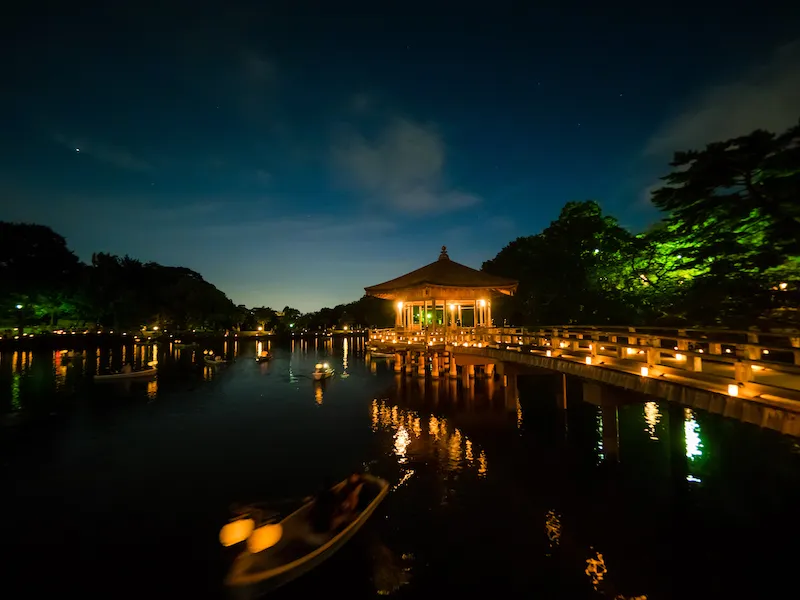
Why go: Japan’s first capital is usually a day trip from Kyoto. This year, it finally has a hotel worth staying for.
Nara is home to Todai-ji, with one of the largest bronze Buddhas in the world, the lantern-filled Kasuga Taisha shrine and the famous bowing deer of Nara Park. Most visitors come for the day from Kyoto or Osaka, and by evening the park empties out.
The big opening is HOSHINOYA Nara Prison, which opened on 25 June 2026 in a red-brick Meiji-era former prison. Japan Royal Service notes that Hoshino Resorts positions it as Japan’s first luxury hotel within an Important Cultural Property, and singles out the particular quiet of its old brick corridors, something no modern build could fake. It is one of the most unusual hotel conversions in the world, and a strong reason to give Nara the night it deserves.
Walk Nara Park at dawn, before the coaches arrive, and you will see the deer, the temples and the misty lanes almost to yourself.
Getting there: Under an hour by train from Kyoto or Osaka.
7. Kinosaki Onsen, Hyogo
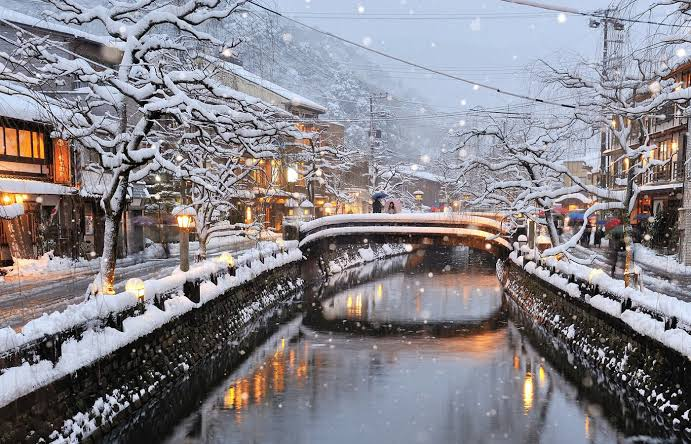
Why go: The most charming onsen town in Japan, best explored in a yukata.
Kinosaki is built along a willow-lined canal crossed by small stone bridges. The town’s custom is to wander between its seven public bathhouses in a cotton yukata and wooden geta sandals, provided by your ryokan, collecting stamps at each one. In the evening, the clatter of geta on the streets is the soundtrack of the town.
Each bathhouse has its own character, from cave baths to open-air pools. In winter, Kinosaki is famous for snow crab from the nearby coast, served in every possible way in the ryokan dinners.
It is the perfect antidote to the crowds of Kyoto: small, gentle, unhurried and completely Japanese.
Getting there: Direct limited express trains run from Kyoto in around two and a half hours.
8. Northern Ibaraki: the newest walk in Japan
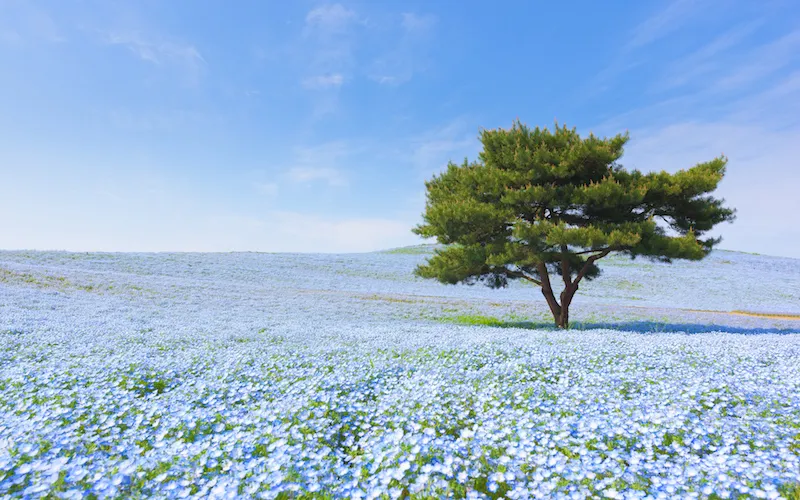
Why go: A brand-new long-distance trail through rural Japan, less than two hours from Tokyo.
For something entirely different, northern Ibaraki Prefecture has just completed the Hitachinokuni Long Trail, Japan’s longest loop trail. Euronews reports that it is now fully open after seven years in development, covering 320 kilometres through six cities and towns: Kitaibaraki, Takahagi, Hitachi, Hitachiota, Hitachiomiya and Daigo.
The route passes through satoyama, the rural landscapes of villages, rice fields, ponds and forested hills where people have lived alongside nature for centuries. Highlights include the Fukuroda Falls in Daigo, the Ryujinkyo Gorge, the beaches at Kohama and Sasaki, and the ancient Salt Road trade route.
Because it is low in elevation and rarely affected by heavy snow, the trail can be walked year-round. You do not need to do it all: pick a section, walk for a day and return to a local inn for a hot bath.
Getting there: Under two hours by train from Tokyo.
Putting it together: two sample routes
The Alps and the Sea of Japan (eight nights). Fly into Tokyo and take the train to Matsumoto for two nights, with an afternoon at the castle and evenings in the onsen. Continue to Takayama for two nights of merchant streets, sake and Hida beef, with an early morning in Shirakawa-go. Finish with three nights in Kanazawa for the gardens, the gold leaf and the market, then take the Shinkansen back to Tokyo.
Shrines, onsen and the Inland Sea (seven nights). Give Kyoto one early, focused day, then move to Nara for a night at HOSHINOYA Nara Prison. Head west to Kinosaki for two nights of bathhouse hopping in a yukata, then down to Hiroshima and across to Miyajima for two nights on the island after the day trippers have gone.
Both routes keep journeys short, put you in each place for at least one evening and avoid the daily scramble that makes Kyoto so tiring in peak season.
How to plan your escape
Do Kyoto first, and do it early. If you want to see Fushimi Inari or Kiyomizu-dera, arrive at opening or even before. Then move on.
Stay, do not day-trip. The magic of almost every town on this list begins after the day visitors leave. One night is good; two is better.
Book the ryokan early. The best ryokan have very few rooms, and autumn foliage and New Year dates are the first to sell out. The new openings this year will be particularly in demand.
Use the Shinkansen and limited express trains. Japan’s rail network makes it easy to link these towns together. Consider forwarding your luggage between hotels with a delivery service so you can travel light.
Time it with the leaves. Autumn colour moves down the country from the mountains in October to the cities in late November. Mountain towns such as Takayama and Matsumoto peak earlier than Kyoto.