More than 300 pieces, around two-thirds never before seen by the public, will glitter at The King’s Gallery from summer 2027. Here’s what to expect, and how to secure your tickets before they disappear.
There’s a reason royal jewellery holds us so completely spellbound. Beyond the sheer sparkle, every stone carries a story: a coronation, a courtship, a loss, a secret. A tiara isn’t simply a tiara when it has crowned a queen on banknotes and postage stamps for decades. A brooch becomes something far more intimate when you know who pinned it, and why.
Next summer, those stories step into the light. From 25 June 2027, Buckingham Palace will open the doors to Royal Jewellery: From Coronations to Keepsakes, the first exhibition ever to trace five centuries of British royal jewellery, from the court of Henry VIII to the reign of Queen Elizabeth II. More than 300 pieces will be on display at The King’s Gallery, and around two-thirds of them have never been shown publicly before.
For anyone who has ever lingered over a royal portrait, wondering about the jewels glinting at a sovereign’s throat, this promises to be one of the most enchanting cultural moments of 2027.
Five centuries, one glittering room
The scale of the exhibition is quietly breathtaking. Drawn from the Royal Collection and the Royal Archives, the jewels will be shown alongside paintings, original designs and historical documents, so you see each piece not only as an object of beauty but in the very moment it was made for, and worn.
Co-curators Caroline de Guitaut and Kathryn Jones describe the collection as bringing together “some of the most important and spectacular royal jewels in British history”, and it’s hard to argue. This is jewellery as living history, where the line between art, power and personal memory blurs beautifully.
It’s also worth knowing what you won’t find. The Crown Jewels remain where they belong, at the Tower of London. Rather than retreading familiar ground, this exhibition turns its gaze to the jewels royals actually lived with: the pieces they chose, commissioned, gifted and treasured.
The icons you’ll recognise
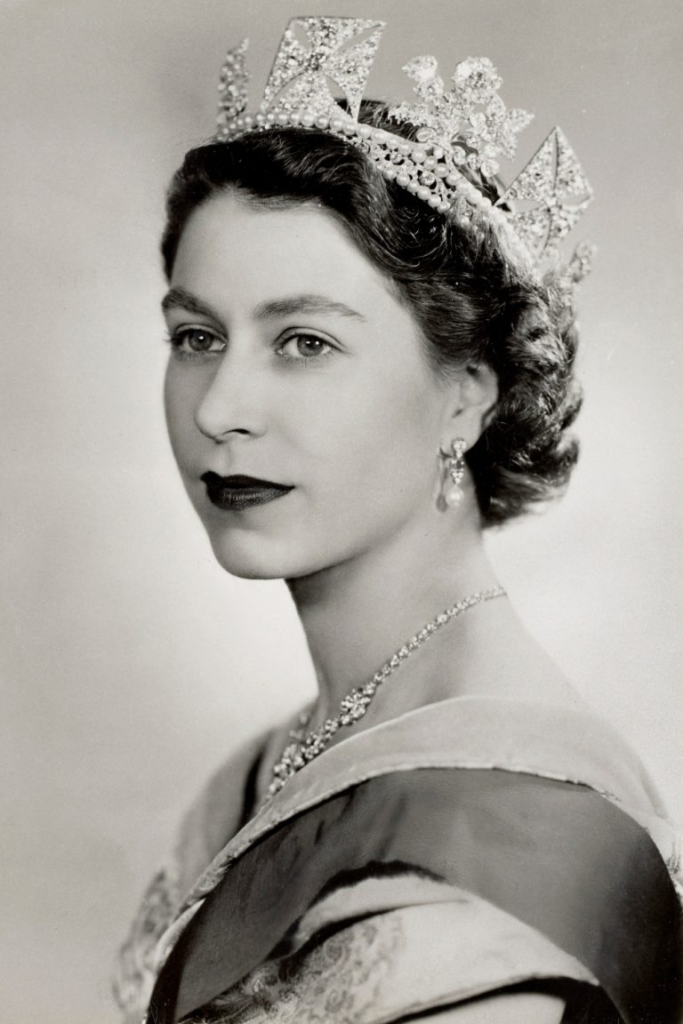
Some of the highlights will feel instantly familiar, even if you’ve never seen them in person. Chief among them is the Diamond Diadem, the delicate crown worn by Queen Elizabeth II in the portraits that graced stamps and banknotes throughout her reign. Its story begins long before her, though. The diadem was originally commissioned for the coronation of George IV, making it a piece that has quietly passed through two centuries of royal life.
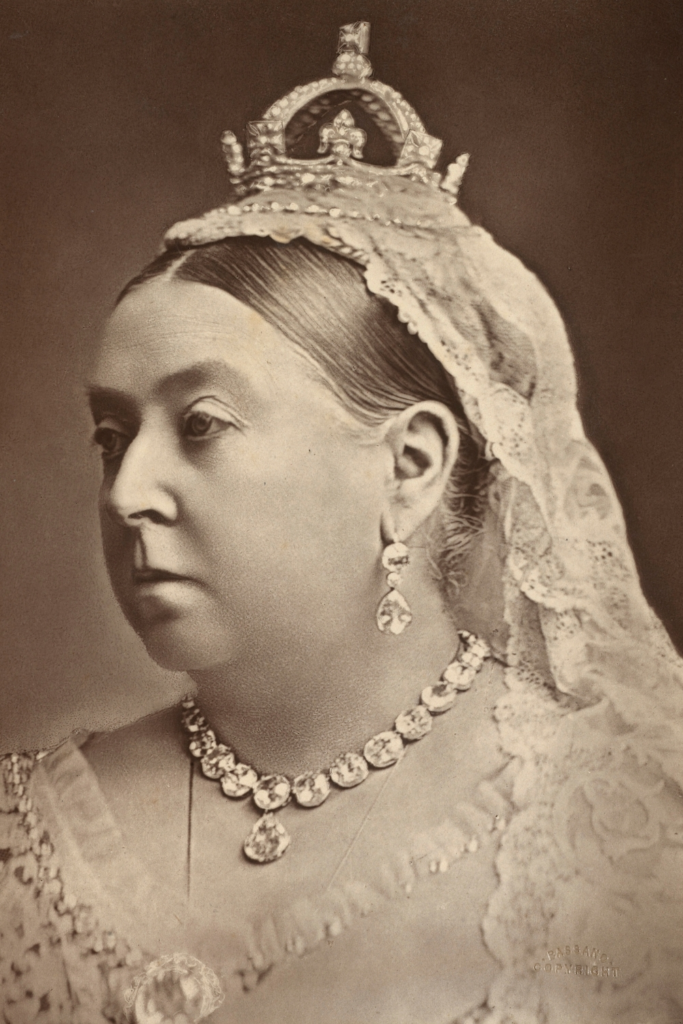
Then there’s Queen Victoria’s Small Diamond Crown, a petite and exquisite piece that became so entwined with her image that it was placed upon her coffin as she lay in state. Seeing it up close, knowing what it came to symbolise, is bound to be one of the exhibition’s more moving moments.
The great jewellery houses
For lovers of fine jewellery, there’s an extra layer of delight. The exhibition will feature designs by some of the most celebrated maisons in the world, including Cartier, Boucheron, Fabergé and Garrard & Co. It’s a rare opportunity to see how these houses shaped the royal look over generations, and how royal patronage, in turn, shaped them.
Among the treasures is a Fabergé pendant set with aquamarines and diamonds, given by Queen Mary to her granddaughter, the young Princess Elizabeth, long before anyone knew she would one day be Queen. It’s the kind of gift that feels deeply personal: a grandmother’s token, passed to a little girl, now resurfacing almost a century later.
Victoria and Albert, in sentimental detail
If there’s a heart to this exhibition, it may well belong to Queen Victoria. Her jewels reveal a side of the formidable monarch that rarely makes it into the history books: tender, romantic and fiercely devoted to her family.
One of the most extraordinary pieces is a brooch set with the first milk tooth of her eldest daughter, a tooth Prince Albert is said to have removed himself. It’s unexpected, a little eccentric and utterly charming, a reminder that Victorian sentimentality was often worn quite literally close to the heart.
Other pieces trace the arc of the couple’s love story. There’s a diamond brooch Albert gave Victoria before their wedding, sparkling with the promise of a marriage that would become one of history’s great royal romances. And then, poignantly, there’s a mourning ring holding his photograph and their entwined cyphers, a piece that speaks to the decades of grief Victoria carried after his death. Together, they tell a whole relationship in gold and stone.
First appearances worth waiting for
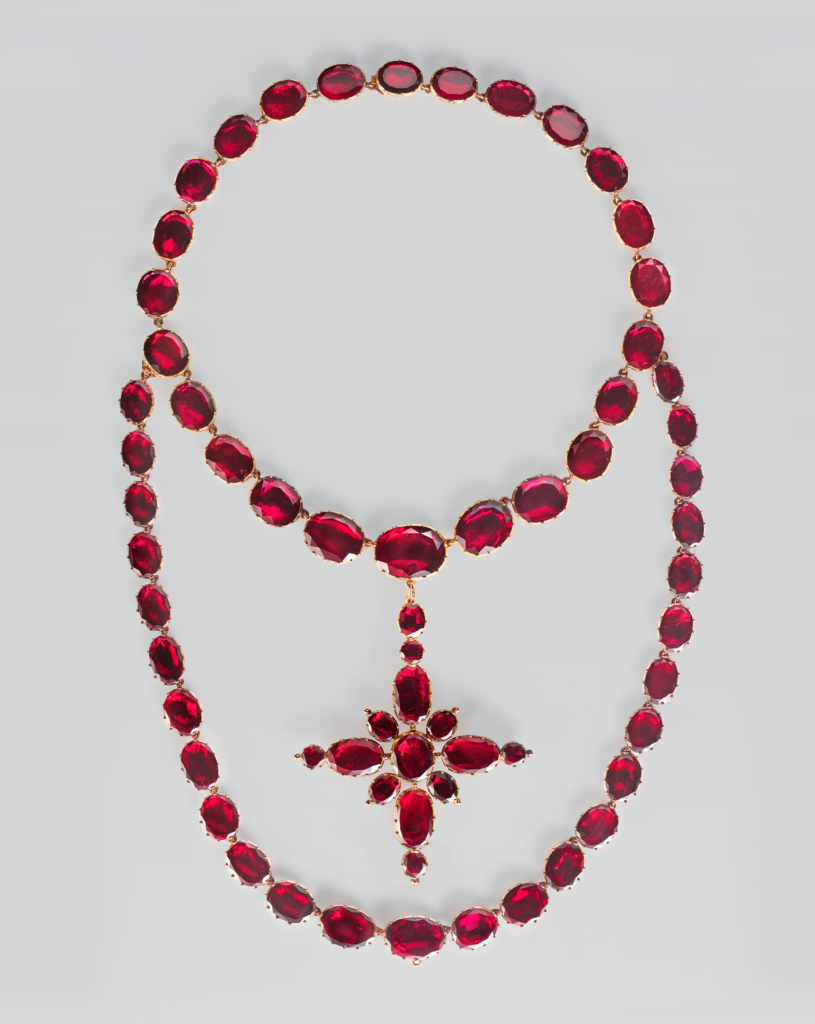
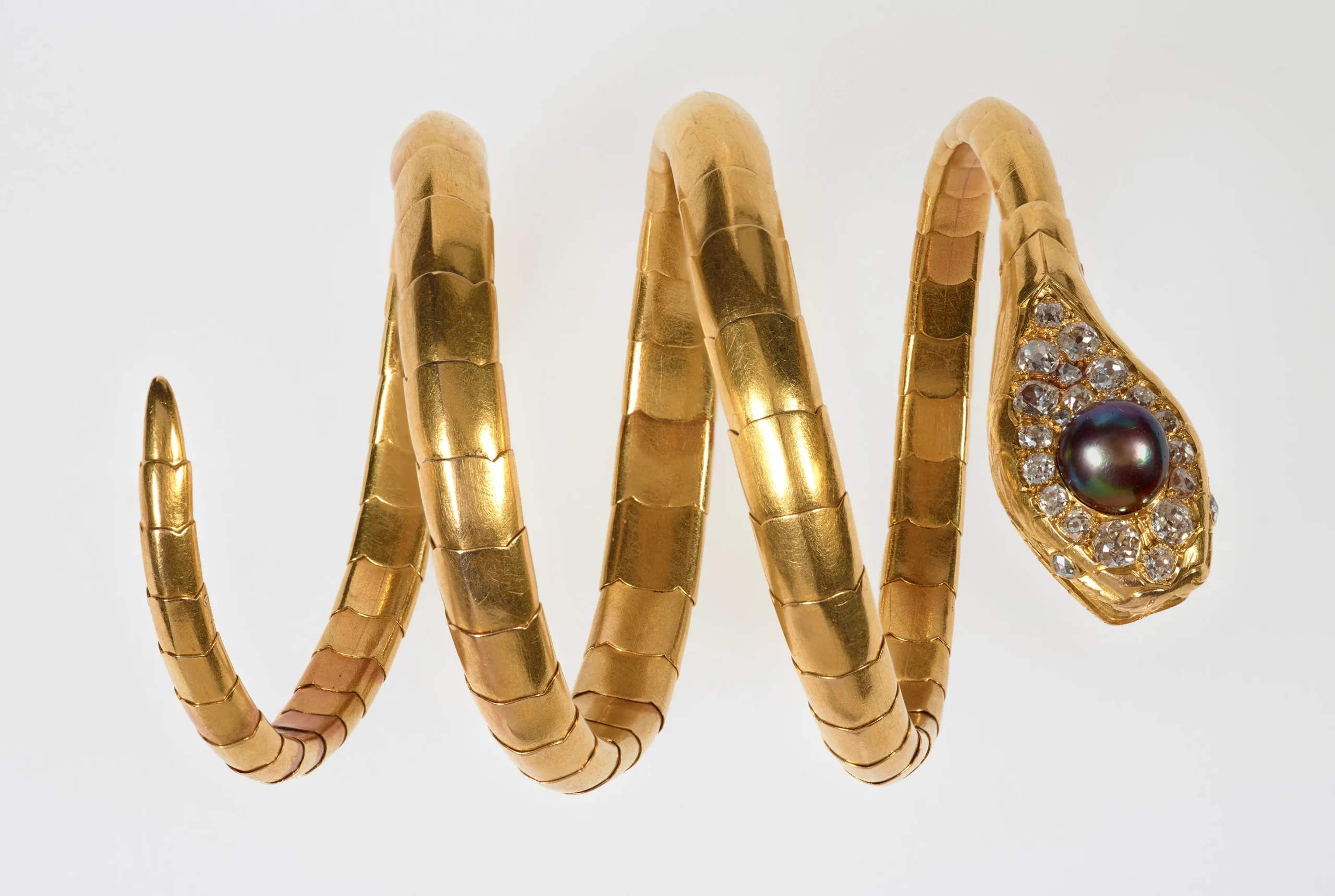
Even the most devoted royal watchers will find plenty they’ve never laid eyes on. A sinuous serpent bracelet belonging to Queen Alexandra, a woman famed for her elegance and her love of jewellery, will be among the revelations.
Queen Charlotte’s garnet jewels will also make their public debut, offering a glimpse into the tastes of the Georgian court, all deep, glowing reds and intricate settings.
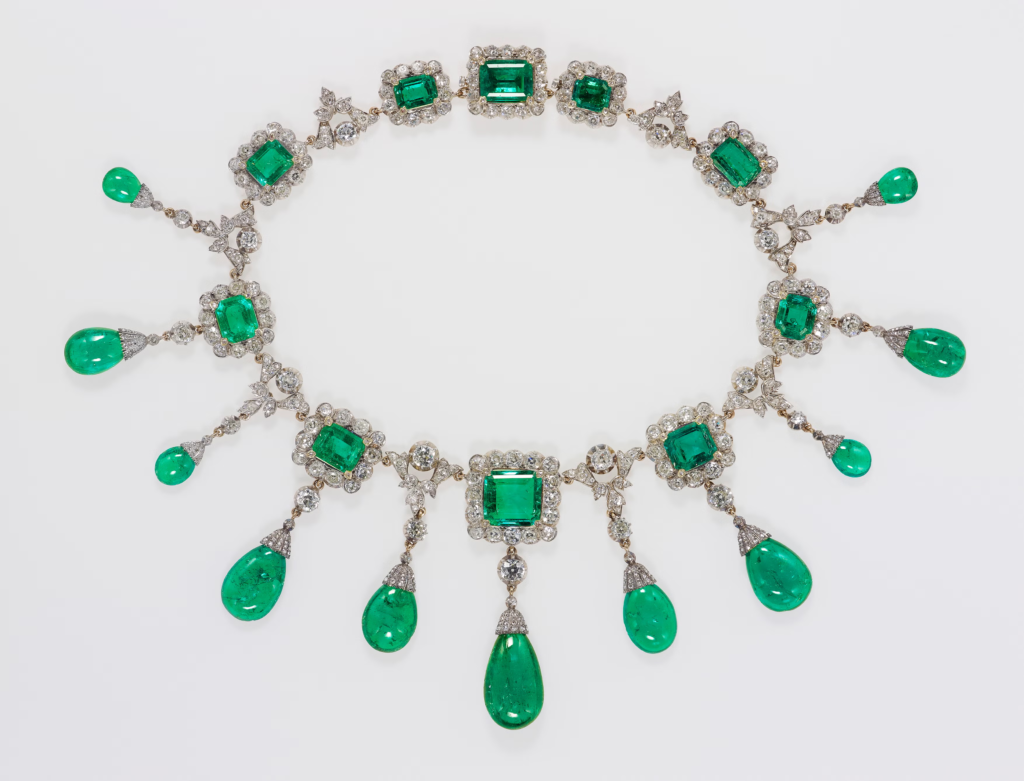
Perhaps most anticipated of all is the Greville emerald and diamond necklace. It formed part of the remarkable bequest left by Dame Margaret Greville, the society hostess whose collection passed to Queen Elizabeth The Queen Mother. For jewellery lovers, the Greville pieces carry a near-mythical allure, and seeing this necklace shown publicly for the very first time will be a genuine moment.
A darker chapter
Not every story here is a love story. The exhibition also confronts one of the most dramatic episodes in British history: the execution of Charles I in 1649. Among the objects linked to that fateful day are cufflinks said to have been worn by the King on the scaffold, later passed to the loyal supporters who stood by him.
It’s a sobering, fascinating counterpoint to the romance elsewhere, and a reminder that royal jewellery has always been bound up with power, politics and, at times, tragedy.
The setting: a gallery with its own story
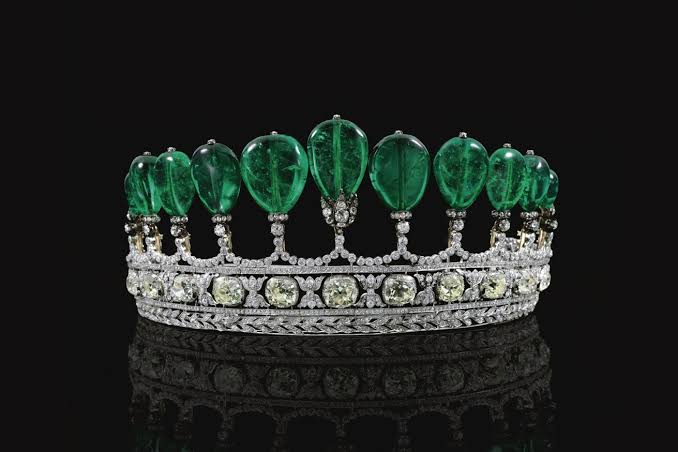
The King’s Gallery itself is part of the experience. Tucked beside Buckingham Palace, it was created in 1962 from the ruins of a palace chapel destroyed during an air raid in 1940, and it now hosts a changing programme of exhibitions from the Royal Collection. There’s something rather fitting about seeing five centuries of royal treasures in a space that rose from wartime rubble.
The exhibition will be accompanied by a book of the same name, billed as the first comprehensive study of the British royal jewellery collection, which is sure to become a coveted addition to any coffee table.
Make a day of it
This is an exhibition to savour slowly, so build an unhurried London day around it. Allow at least an hour and a half to wander the gallery, then step out into the green calm of St James’s Park, just moments away, for a stroll along the lake as the afternoon light softens.
From there, Mayfair and St James’s are within easy reach, home to some of the city’s most elegant hotels and most indulgent afternoon teas. There’s surely no better way to round off a day of diadems and diamonds than with fine china, warm scones and a pot of something fragrant in a gilded drawing room. Make it a weekend, and you could even lend the occasion a little regal flourish of your own with a night in one of the capital’s grande dame hotels.
If you’d like to return, Royal Collection Trust lets you convert your ticket into a 1-Year Pass for unlimited re-admission, perfect for anyone who suspects one visit won’t be quite enough. With a nine-month run, you could even come back in different seasons.
How to get tickets
Here’s where timing matters. Tickets will go on sale first to subscribers of the Royal Collection Trust e-newsletter on Wednesday 28 October 2026. To qualify for this early access, you’ll need to sign up for the newsletter by the end of Tuesday 27 October, so if you’re tempted, do it today.
General booking opens on Tuesday 3 November 2026 via rct.uk. Given the extraordinary demand for recent exhibitions at The King’s Gallery, and the sheer number of pieces making their public debut, we’d expect the most popular dates to go quickly. Summer weekends in particular are likely to be snapped up early.