Stop thinking about where you want to go. Start with what you actually need.
The most honest thing travel planning can do is meet you where you are. Not where your Instagram feed suggests you should want to be, not the destination your colleague mentioned while you nodded and filed it away. Where you actually are,what state you have arrived at after the last twelve months, and what a holiday would need to do to genuinely improve it.
Below, ten states of being. Find the one that fits. Book accordingly.
If you are burnt out to the point of structural damage
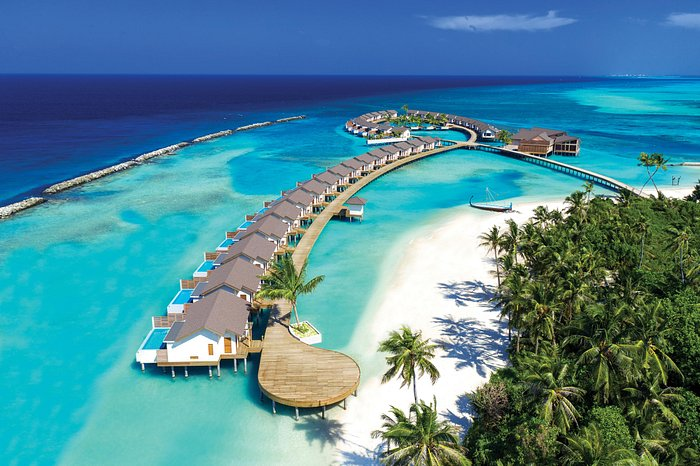
The problem with serious exhaustion is that a busy holiday makes it worse. What you need is not a destination but a mechanism for removing decisions. The all-inclusive model at its luxury end does this better than anything else: one price, no menus to negotiate daily, no bills to interrogate at checkout, no choosing where to eat when everyone is tired at 6pm. The mental load of a holiday requiring constant micro-decisions is measurable and real, and removing it entirely is itself a form of recovery.
Atmosphere Kanifushi in the Maldives covers all meals across multiple restaurants, unlimited beverages, motorised and non-motorised water sports and snorkelling, for a single rate that removes the cost-anxiety that undermines relaxation at most Maldives resorts. The island is beautiful, the house reef is excellent, and the particular silence of being somewhere with no road noise and no city light is, in itself, therapeutic.
What you need: Total removal. One price. No choices.
If you want to feel genuinely excited about travel again
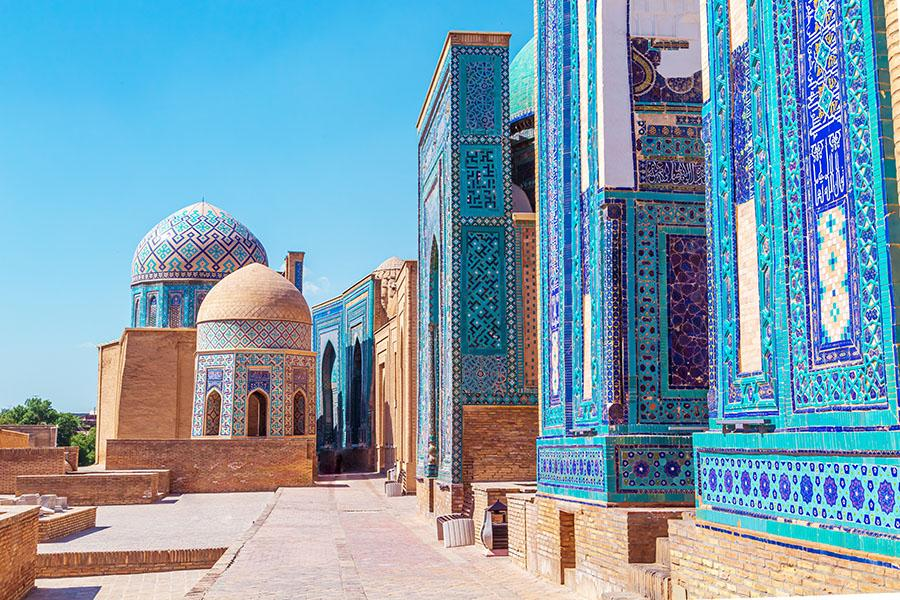
There is a specific version of travel fatigue that has nothing to do with tiredness, it is the feeling that all destinations are variations on a known template. The remedy is a place so different from the template that it breaks the pattern by force.
Uzbekistan breaks the pattern. The tilework on Samarkand’s Registan Square stops people mid-stride in a way that overexposed European monuments often do not, because there is no accumulated cultural familiarity to insulate you from it. The blue domes rise above streets that carry the residue of genuinely world-historical events. The infrastructure has arrived to support a serious traveller in Samarkand and Tashkent in a way it had not five years ago; international hotels, functioning transport between cities, a restaurant scene that has found what it is doing. The window in which these places feel genuinely discovered rather than simply discovered by everyone else is open. It is not open indefinitely.
What you need: Something that asks something of you. Somewhere that does not resemble anywhere you have already been.
If your body actually needs to recover, not just rest
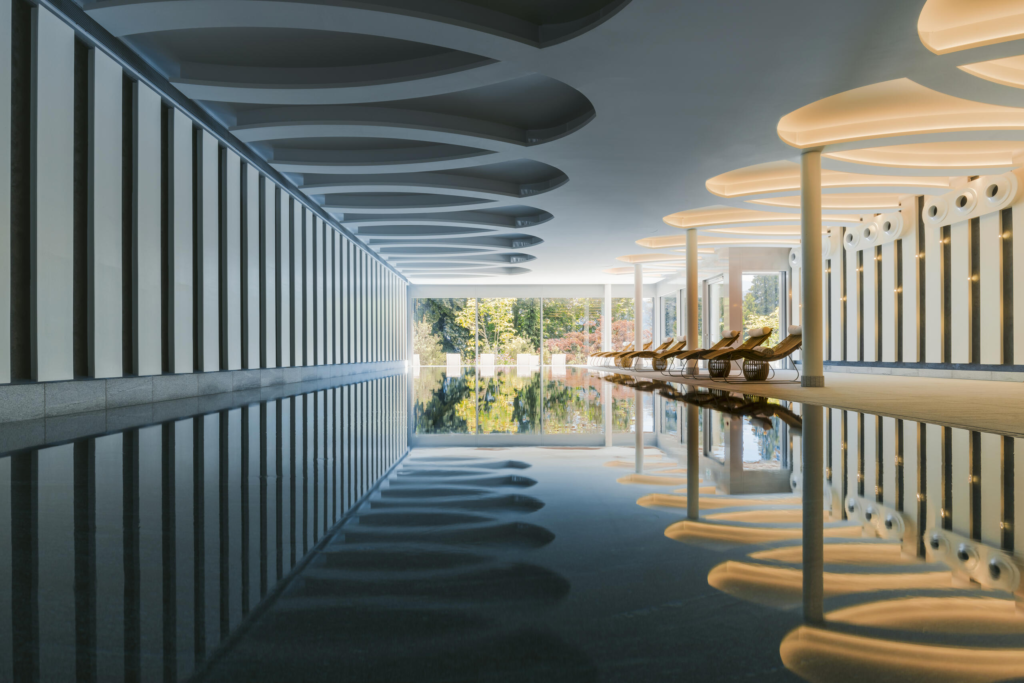
There is a difference between relaxation and repair, and the first does not reliably produce the second. For genuine biological restoration, the kind that involves diagnostics, structured programmes and outcomes you can measure, the Chenot Palace in Weggis, Switzerland remains the gold standard. Biometric analysis, tailored therapies, nutritional intervention, sleep protocol: this is not a spa break dressed in clinical language. It is clinical, and it works. The setting is Lake Lucerne, which adds beauty to the rigour in a ratio most people find sustainable.
For a lighter version of the same principle with more warmth and less winter light: Six Senses Ibiza, which has imported the outcome-led wellness model into a Mediterranean setting and added a longevity diagnostic programme that its guests treat with more seriousness than the name suggests they might.
What you need: Not relaxation. Repair.
If you are travelling solo and want it to feel genuinely good
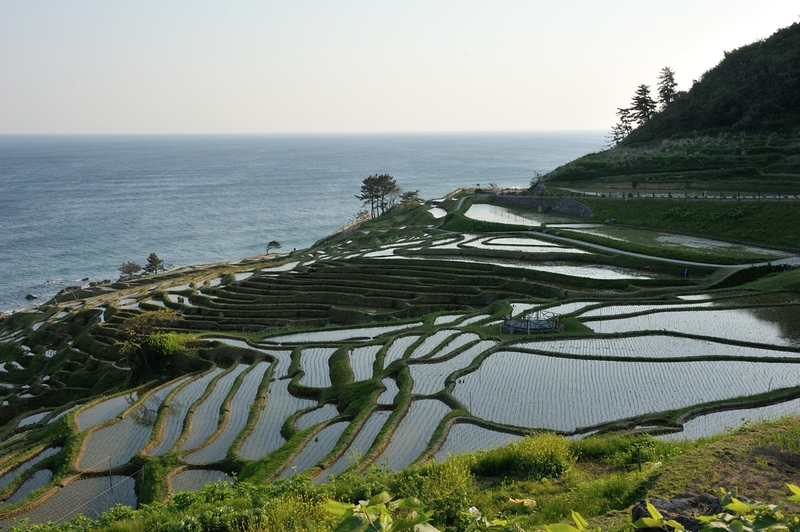
Japan. The argument for Japan as the world’s finest solo travel destination is structural rather than atmospheric, though the atmosphere is exceptional. The train system is so reliable and so well-signed that navigation is almost effortless regardless of language background. The restaurant culture; including the specific infrastructure of the single-seat counter, the ramen bar, the standing sushi place; is built partly around the assumption that one person arriving and wanting to eat properly is not a social problem. The hotel culture is attentive without being intrusive, which is the exact register solo travellers need and rarely find.
Tokyo for the first few days. Then Kyoto for the temples, the kaiseki and the sense that a city can have a personality unlike any other city’s. Then somewhere smaller: Kanazawa for the food market and crafts district. Hakone for the onsen and the mountain air. The Noto Peninsula for the coastline and the slowness. The solo traveller in Japan is never made to feel like a problem to be solved.
What you need: A country that makes independent movement effortless and never makes you feel like you are missing someone.
If you want to feel genuinely moved by somewhere
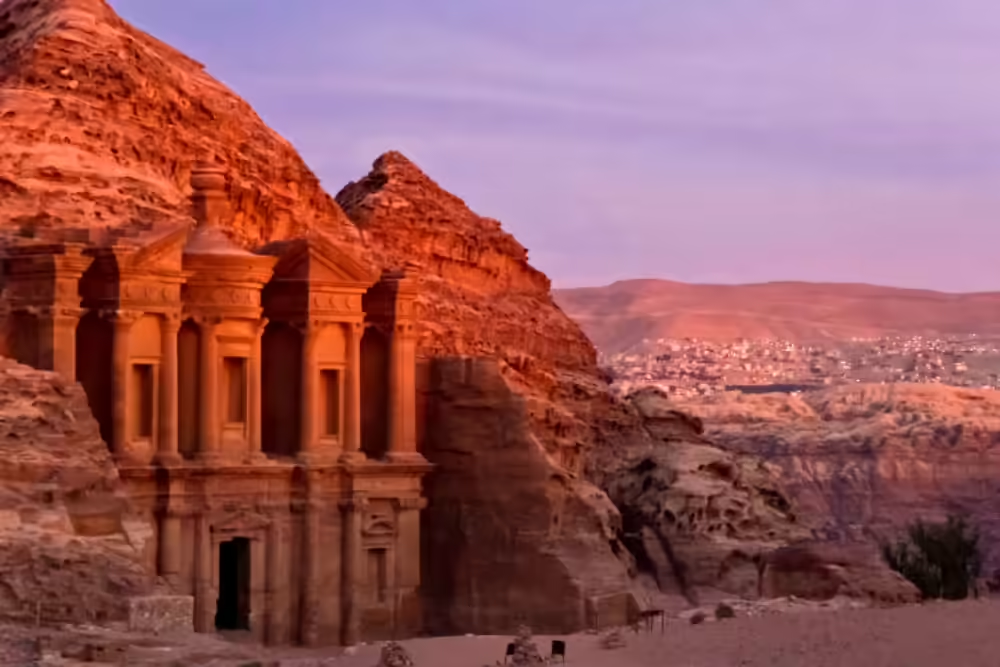
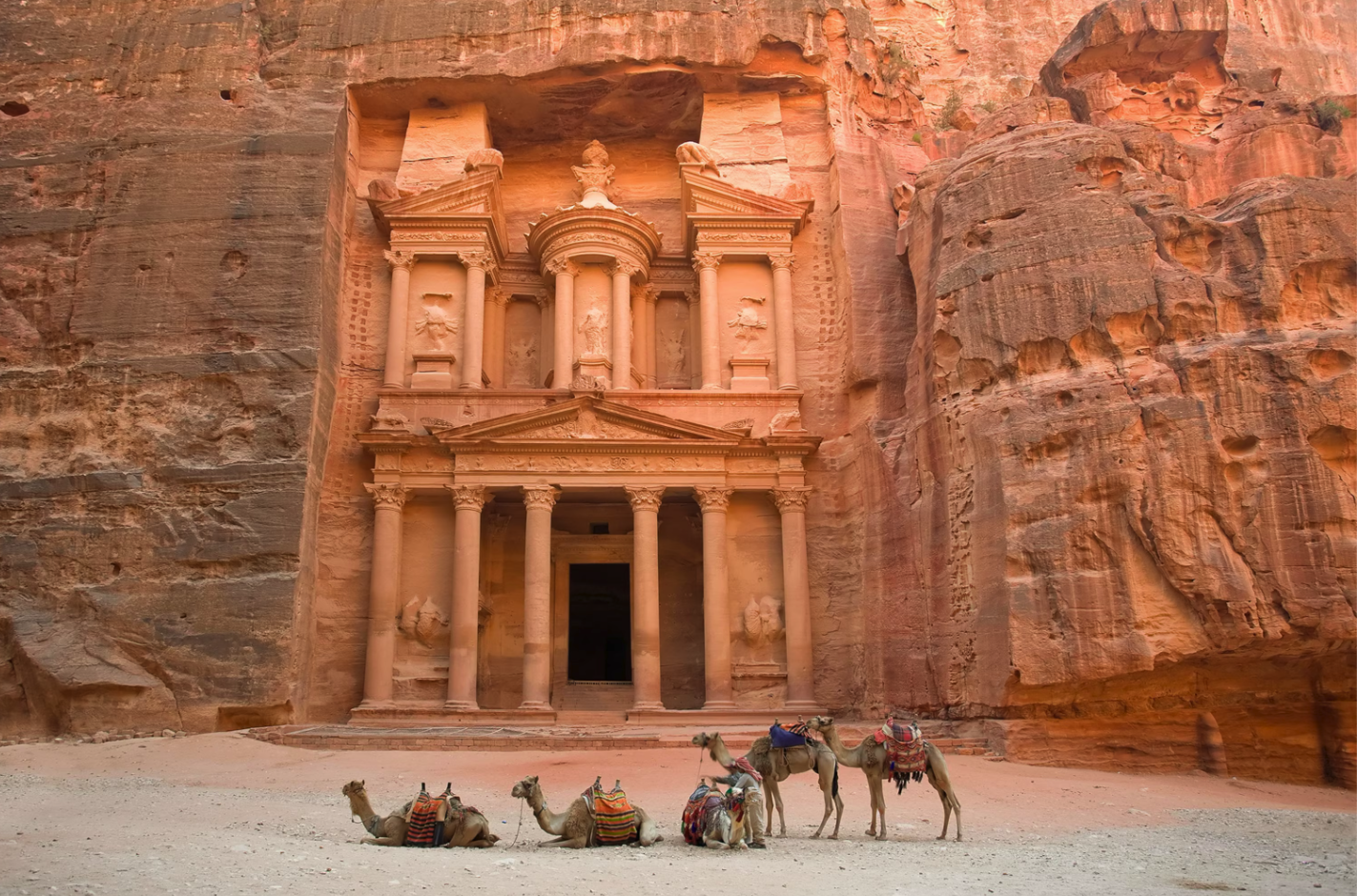
Jordan. Petra at dawn, before the tour groups arrive, is the closest thing available to a landscape that produces awe without preparation or effort. The Treasury emerging from the Siq as you walk through the narrow canyon is an experience that does not require cultural knowledge or historical background : it simply exists at a scale that registers before thought. The scale of the rock-cut city, once you are inside it, continues to operate at the same register for hours.
Wadi Rum for the overnight camp under a sky with no light pollution and consequently no resemblance to anything most city-dwellers have seen. Amman itself, which is routinely underrated and has a food scene: at Fakhreldin, at Tawaheen Al Hawa, along Rainbow Street, that rewards a full day of attention.
What you need: Something that returns a sense of proportion. Somewhere that makes the usual worries feel correctly sized.
If you have a significant other and you’ve both been too busy
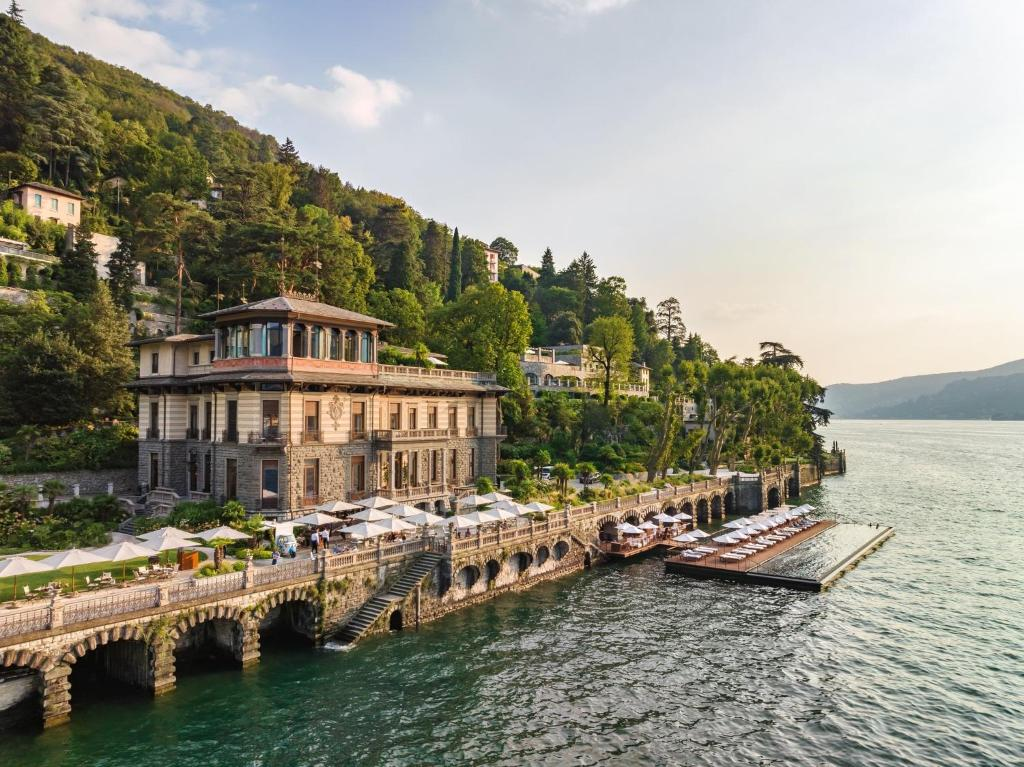
The Italian Lakes, in early to mid-June before the August peak. Lake Como specifically: small enough to cross by boat in twenty minutes, large enough to sustain a week of movement between villages without repetition. The combination of water, mountains and old-money architecture produces a specific quality of enforced idleness that is difficult to resist even for people who usually resist it. The restaurants along the lakeshore are not trying to impress anyone — they serve lake fish with butter and sage and local wine and they have been doing it for generations without alteration.
Mandarin Oriental Lago di Como or Villa d’Este for the full version, both of which manage to feel like the property exists only for you. For something smaller and less theatrical: Bellagio has boutique properties along the lakefront that deliver the same view at a fraction of the price. Hire a wooden motorboat for a morning and navigate between Bellagio, Tremezzo and Varenna without a plan, which turns out to be sufficient as a day’s activity.
What you need: Somewhere that enforces slowness on both of you, together, without making it feel like an obligation.
If you want an adventure but a comfortable one
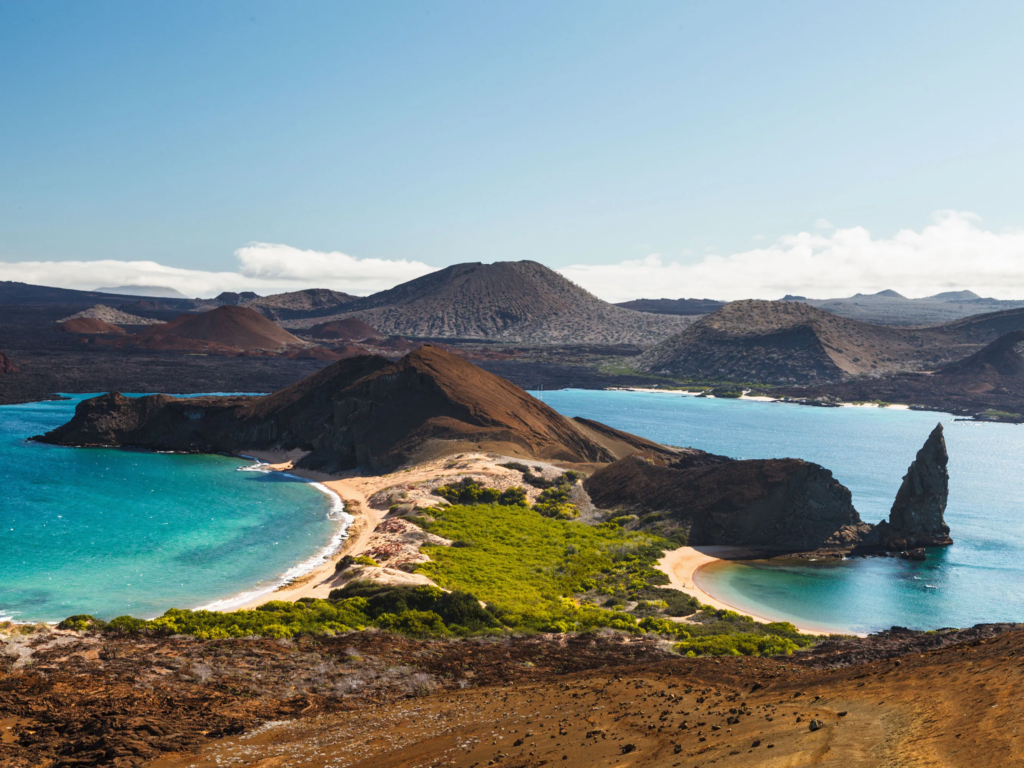
The Galápagos Islands. The wildlife here is famously unafraid of humans, a fact stated so often it has lost its strangeness, and then you arrive and find a sea lion asleep across the path and a blue-footed booby conducting its courtship dance three feet from where you are standing, and the strangeness returns with full force. What is on offer is wildness at close range without any of the physical effort or risk that wildness usually requires. This is not a compromise, it is the thing itself, available to anyone who can get there.
A small expedition boat with a naturalist guide is the correct approach. Silversea Expeditions and National Geographic Expeditions both operate here with excellent naturalists and small group sizes. The islands change character across the archipelago, marine iguanas on Fernandina, giant tortoises in the highlands of Santa Cruz, the snorkelling of Española, and the boat allows you to cover the range in a way a land-based stay cannot.
What you need: Something that produces wonder without requiring fitness, risk, or roughing it.
If you want to eat your way through somewhere properly
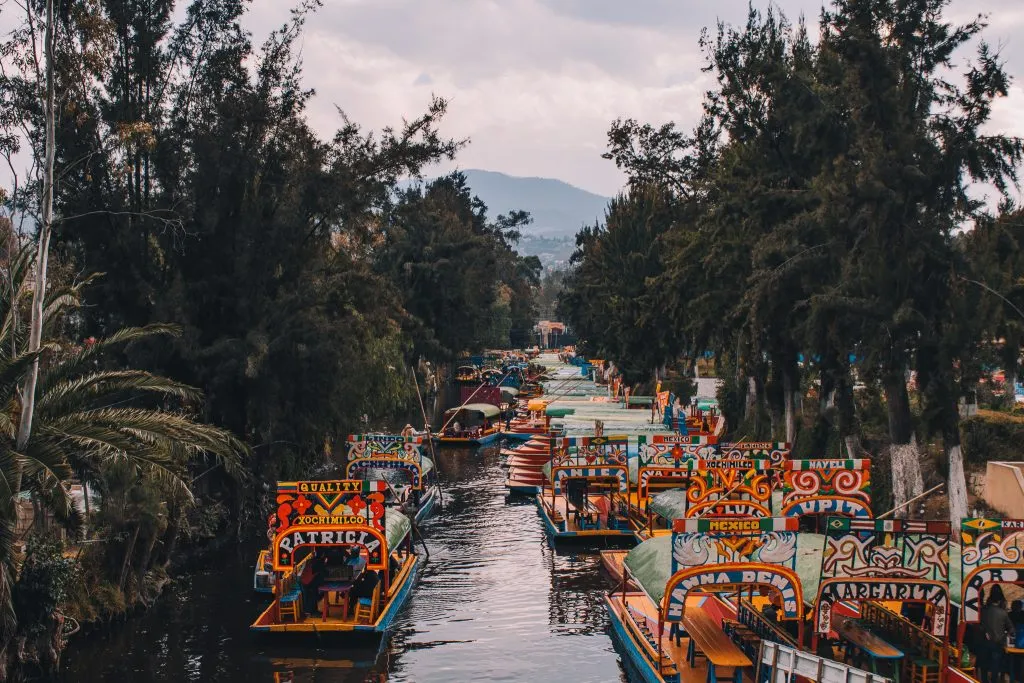
Mexico City, without the World Cup crowds, in late September or October when the summer heat has softened and prices have normalised. The restaurant scene is doing things that make London and Paris look conservative, at every price point from the taco cart to the ten-course tasting menu. The culinary culture sits on a pre-Hispanic foundation that has been absorbing Spanish, African, Lebanese, Chinese and French influences for five centuries, and the result is a set of flavours and techniques that exist nowhere else.
The working programme for a serious week: Pujol and Quintonil for the tasting menus at the pinnacle of contemporary Mexican cooking. Sud 777 for the vegetable-focused kitchen. Contramar for tuna tostadas at lunch, reliably, every time. Mercado de Medellín early on a weekday morning for the produce and prepared food stalls. Street tacos in Roma Norte after midnight, which is a different activity from lunch but equally important to the full understanding of what the city eats.
What you need: A destination where food is culture, not just sustenance.
If you are travelling with children and need it to actually work
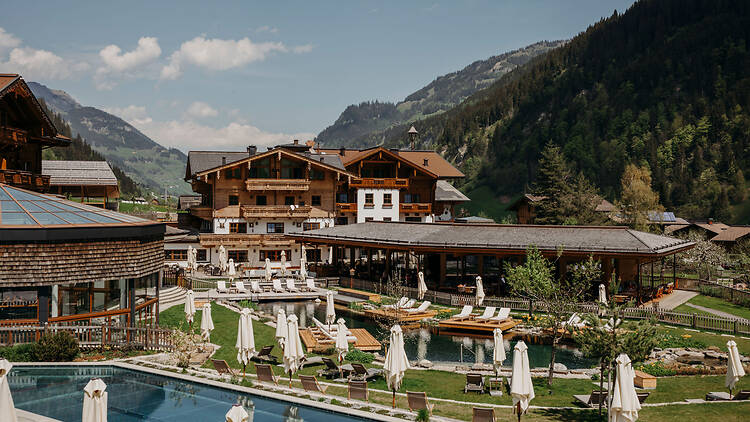
The family mountain resort in Austria is seriously underrated by parents who default to the beach every summer. Moar Gut in the Großarl Valley removes the structural problems of family travel in a way that a beach resort rarely manages: car-free grounds, professional childcare included in the rate, 140 kilometres of cycling trails, horse riding from the resort’s own stables, archery, tennis coaching, a natural swimming lake and direct access to the Hohe Tauern National Park. The resort has been run by the same family since 1995 and accommodates only families. The gourmet full board removes the daily dinner negotiation. Children who would otherwise be disagreeable find things to do. Parents who would otherwise be permanently on duty find they are not.
The Großarl Valley in July is warm, green and spectacular in the low-key way that alpine meadows manage — wildflowers across the hillsides, mountains clearly visible from the pool, air unambiguously better than the air at home. It does not require explanation to the children. It explains itself.
What you need: An environment that does the work for you, so you can stop doing the work.
If you want the journey to be the experience
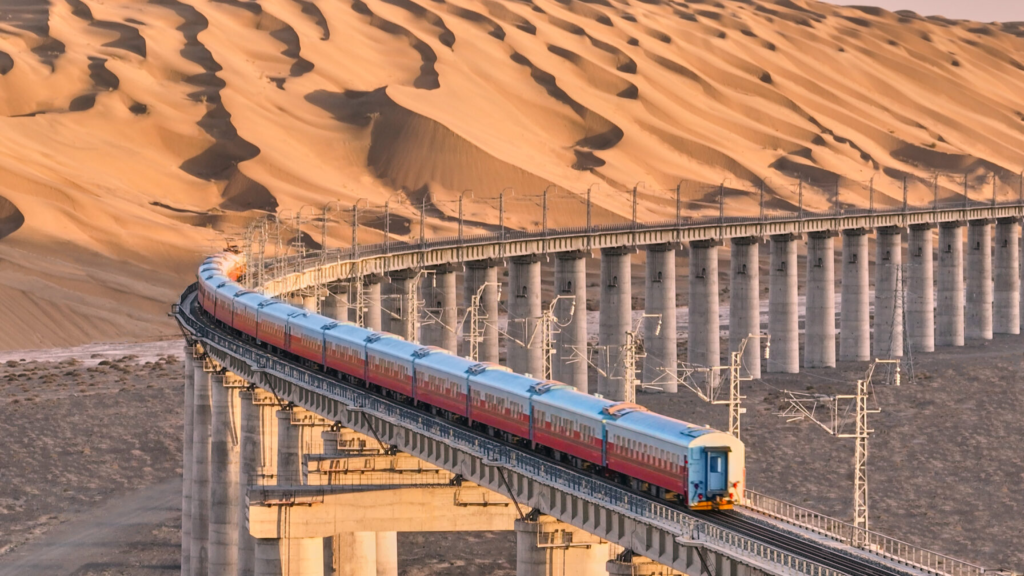
Book the Golden Eagle Silk Road Express. The 22-day journey begins in Beijing and continues across China and into Central Asia through Kazakhstan, Kyrgyzstan, Tajikistan, Turkmenistan and Uzbekistan. One departure in 2026. The Gobi Desert from a train window at dawn, moving west toward Samarkand, is not replicable on a flight itinerary. There are landscapes that require slow travel to become what they are, to register at the scale they exist at rather than the scale a window seat at 35,000 feet permits. This is one of them.
There is also something specific about spending three weeks on a train with a small group of people who have all chosen the same unusual thing. Conversations happen that do not happen in hotel lobbies or on beach holidays. The piano bar stays open until the last person leaves. The landscape is enormous and continuous and takes days to cross. This is, by almost any measure, how travel is supposed to feel.
What you need: The feeling you had about travel before you got tired of it.