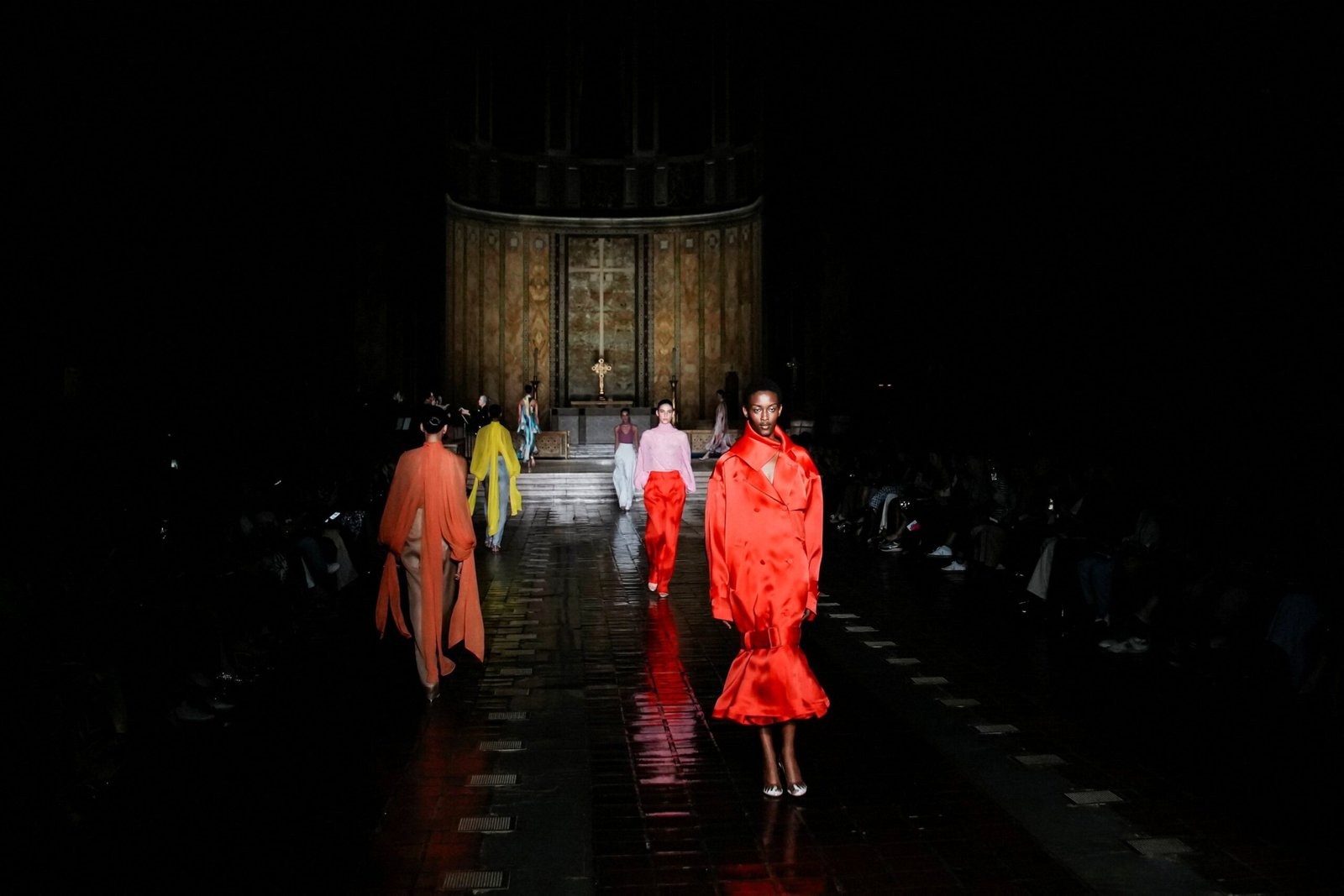
There is a particular shift that happens in New York every September. The heat starts to lift, the sidewalks fill up with garment bags and coffee cups, and for six days the entire city seems to be moving towards the same handful of addresses. Restaurant reservations get harder to find, hotel lobbies start filling with racks and steamers, and even people with no interest in the shows themselves can feel the week happening around them. New York Fashion Week has always been the opening act of Fashion Month, the moment the industry decides what the next season is going to feel like before London, Milan and Paris weigh in.
But this year’s edition, running from Thursday 10 to Tuesday 15 September, is carrying more than the usual amount of weight. A generational handover at one of America’s most storied houses, a landmark policy change, and a quiet, deeply felt civic anniversary are all landing in the same week. For anyone who loves fashion but reads it as culture rather than just clothing, this is shaping up to be one of the more layered seasons in recent memory.
The calendar, in brief
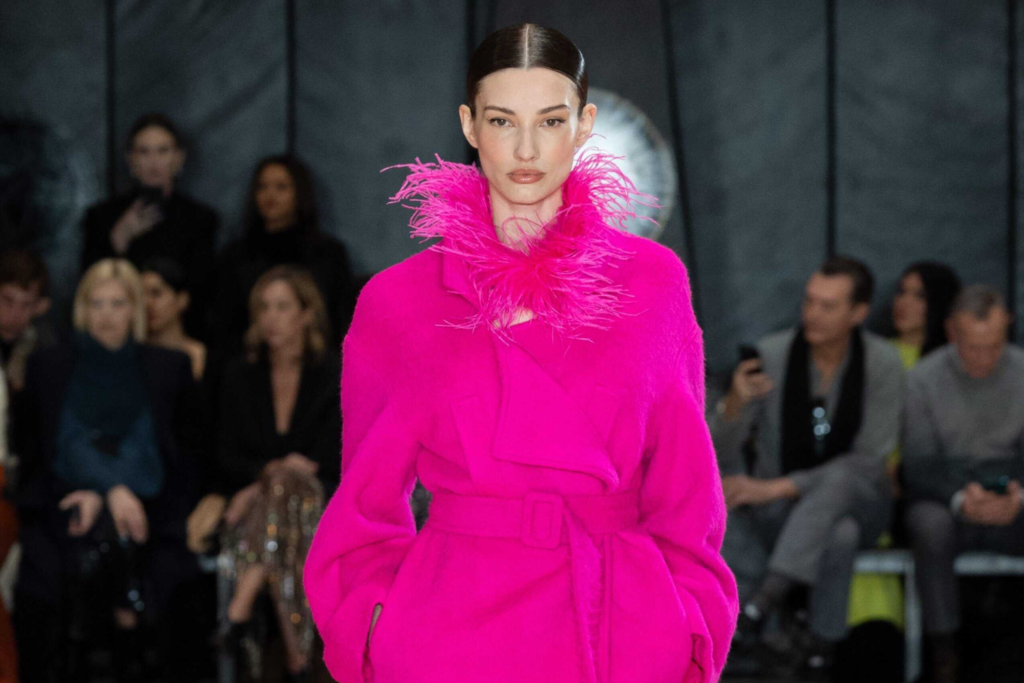
The official schedule, set by the Council of Fashion Designers of America, features roughly 70 runway shows and presentations for the Spring/Summer 2027 collections, with plenty more happening digitally or by appointment. The real action starts slightly early. On Wednesday 9 September, the night before the calendar officially opens, Ralph Lauren presents his Spring 2027 collection alongside Coach, Cult Gaia and Libertine, while Rachel Comey marks 25 years of her label. It is, in effect, a preview night with heavyweight billing of its own.
The official week then opens on Thursday with one of its most closely watched moments: Henry Zankov’s debut as artistic director of Diane von Furstenberg. It closes six days later with Thom Browne, whose tailoring-as-theatre shows have become one of the week’s reliable closing statements. In between, expect the usual mix of American heritage and newer energy: Michael Kors, Tory Burch, Carolina Herrera and Calvin Klein Collection anchoring the grander end of the calendar, alongside returning names like Khaite, Proenza Schouler, Anna Sui, Altuzarra and Collina Strada. Tommy Hilfiger and Monse are also back on the official calendar after time away, which tends to be read in the industry as a vote of confidence in New York’s commercial pull.
There is also a genuinely international flavour to this season worth noting for a magazine with our travel focus. Indian couturier Sabyasachi Mukherjee is showing on the official New York calendar for the first time, a debut that has been discussed as much for what it signals about the CFDA’s global ambitions as for the collection itself.
A changing of the guard
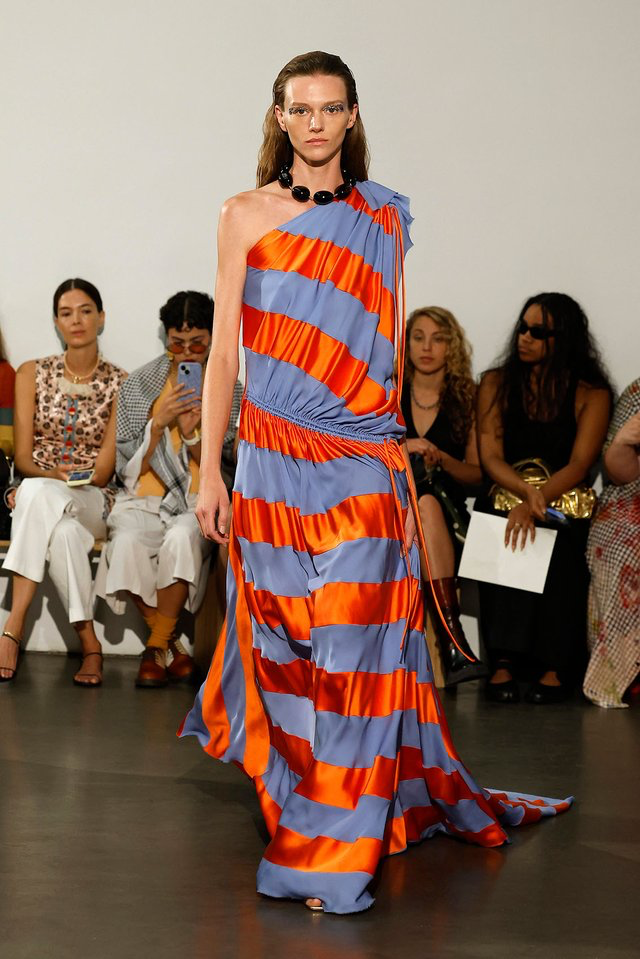
The Zankov appointment is the story everyone in the industry will be watching most closely, and it says something about where American fashion is heading. Diane von Furstenberg built her name on the wrap dress and on dressing women for the lives they were actually living. Handing the creative reins to Henry Zankov, known for his knitwear label’s soft, considered take on Americana, is being read as a deliberate move towards quieter, more tactile design after several seasons dominated by louder logos and maximalism.
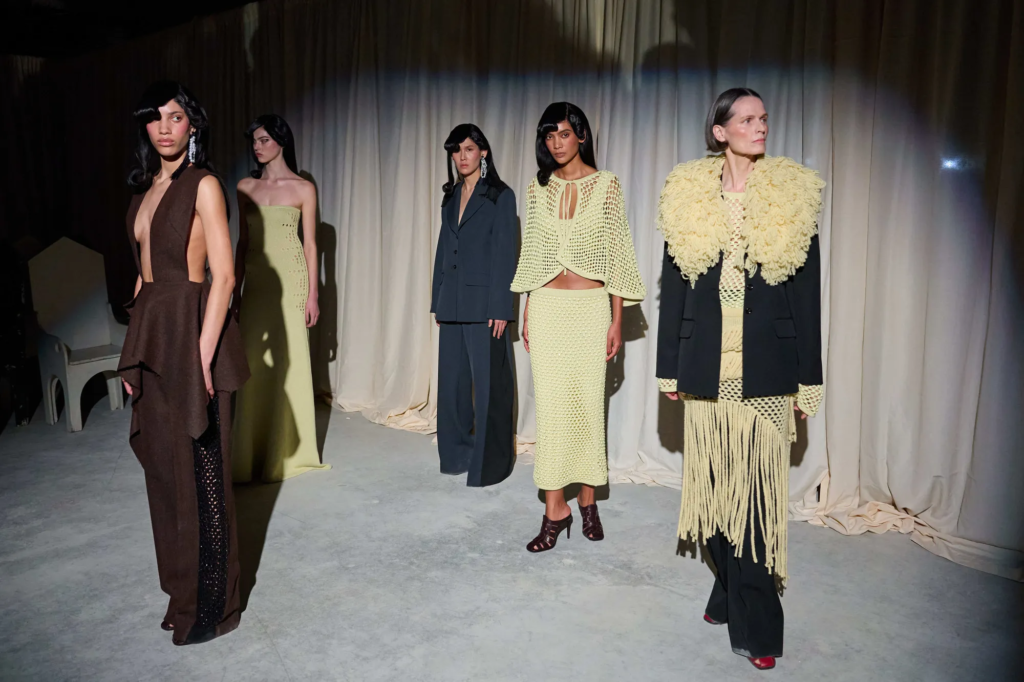
That generational shift is visible elsewhere on the calendar too. This season’s newcomers include Conner Ives, whose upcycled, slogan-driven pieces have already made him a favourite with the red carpet crowd, alongside Magda Butrym, whose romantic, Eastern European-inflected designs have built a genuine celebrity following, High Sport, and several finalists from the 2026 CFDA/Vogue Fashion Fund, including Bad Binch TongTong, Jamie Haller and Milamore. It is a noticeably wider group than in previous years, and it reflects a calendar that is trying to look less like a closed club and more like an accurate snapshot of who is actually shaping American style right now.
Read together, the Zankov appointment and this wider debut list tell a fairly coherent story about where American fashion sees itself heading next: less reliant on a handful of legacy names, more willing to hand real platforms to designers who built their reputations outside the traditional New York system altogether.
As Joseph Maglieri, the CFDA’s senior director of fashion week initiatives, put it, this season is about “embracing who we are without trying, or wanting, to emulate any other city.” It is a fair summary of the mood: less concerned with matching Paris for spectacle, more focused on the things New York has always done well, which is wearable, work-hard clothing with a point of view.
The bigger story: fashion goes fur-free
If there is one piece of news from this season that will outlast any single runway look, it is this: for the first time, animal fur is officially banned across every show on the CFDA’s calendar. The policy, developed with Humane World for Animals and Collective Fashion Justice, was announced late last year to give designers time to adjust, and it takes effect for good this September. It covers fur from animals farmed or trapped specifically for their pelts, including mink, fox, rabbit, chinchilla and raccoon dog, with a narrow exception for fur obtained by Indigenous communities through traditional subsistence practices.
It is worth pausing on this, because it is genuinely a culture story as much as a fashion one. New York joins London, which went fur-free in 2023, along with Copenhagen, Melbourne, Stockholm, Oslo, Helsinki and Amsterdam. Condé Nast, publisher of Vogue and Vanity Fair, has already removed fur from its own editorial pages and advertising. For a city whose fashion week has often positioned itself as the commercial, unpretentious counterpoint to Europe’s more editorial-driven calendars, this is New York choosing to lead on an ethical question rather than follow. Expect it to shape plenty of the conversation happening off the runway this week, in panels, in press interviews, and in the trade coverage that follows each show.
A Friday morning, and a city that remembers
There is one detail on this year’s schedule that has nothing to do with trends at all, and it may be the most quietly moving part of the whole week. Friday 11 September 2026 falls exactly 25 years after the attacks of September 11, 2001. In recognition of that anniversary, Friday’s shows will not begin until 10am, a small but deliberate scheduling choice that gives the morning over to remembrance before the week’s business resumes.
It is a reminder that Fashion Week, for all its glamour, is also a New York institution, shaped by the same civic calendar as everyone else who lives and works in the city. For visitors planning to be in town that week, it is worth knowing that the morning will carry a different tone across Lower Manhattan in particular, and that the industry itself is treating the date with real care rather than rushing past it.
Beyond the tents
One of the more interesting cultural shifts in New York Fashion Week over the past few years is how little of it now happens behind closed doors. The official CFDA calendar is invitation-only, run largely out of the Starrett-Lehigh Building and a handful of other Manhattan venues, but it now sits inside a much bigger, more public ecosystem. Independent producers stage their own ticketed fashion weeks alongside it, open to anyone willing to buy a seat: The Bureau Fashion Week takes over the gilded, domed interior of Gotham Hall from 11 to 13 September, Art Hearts Fashion runs its own programme at the Angel Orensanz Center on the Lower East Side, hiTechMODA lands at the Edison Ballroom in Times Square, and Runway7 opens its season at Sony Hall on 8 September. Add in publicly ticketed galas, brand pop-ups like Chanel’s fragrance-themed café experience, and the parties, dinners and gallery openings that fill the gaps between shows, and it becomes clear that Fashion Week has stopped being a single event and turned into something closer to a citywide festival.
For readers without a seat on the official calendar, this is genuinely good news. A very real version of Fashion Week, runway shows included, is available to anyone with a ticket rather than an industry credential, and the surrounding programme of pop-ups and public activations tends to be announced closer to the date itself. Expect the usual scattering of brand experiences too. Chanel, for instance, is marking the week with a public, café-style pop-up built around its Coco Mademoiselle Crush Absolu fragrance, the kind of low-key, walk-in activation that has become just as much a part of the week’s texture as the runway shows themselves.
A city doing two things at once
New York in September rarely does just one thing well, and this year the fashion crowd will be sharing the city with the US Open, which reaches its climax in the same window. It makes for a slightly unusual atmosphere: courtside style at Flushing Meadows one afternoon, front row at a runway show the next, with plenty of crossover in between as brands run activations and lounges tied to both. For anyone building a September trip around either event, it is worth knowing that hotels, restaurants and car services across Manhattan tend to book up quickly once both calendars overlap, so this is not the week to leave logistics to the last minute. If your trip allows any flexibility at all, booking accommodation in Chelsea or the Flatiron District puts you within easy reach of both the main show venues and the general buzz, without paying the premium that hotels directly beside the official calendar’s venues tend to command during the week itself.
What comes next: the bigger map
New York’s real function on the calendar has always been to go first. Once the shows here wrap on 15 September, the industry moves almost immediately to London, running from 17 to 21 September, followed by Milan from 22 to 28 September, which opens this year with the highly anticipated Vogue World Milano, before the season closes in Paris. Whatever tone New York sets, quieter and more considered this year, if the Zankov appointment is any indication, tends to shape how the rest of the month is read. It is one of the reasons the industry pays such close attention to these six days specifically: not just for what happens in New York, but for what it suggests about where the whole season is heading.
How to feel the week, even without a seat
You do not need a show invitation to feel New York Fashion Week happening around you. The clearest signs are the ones outside the venues: photographers gathered on the pavement outside the big shows, editors and buyers moving between appointments in obviously considered outfits, and hotel lobbies suddenly full of garment racks and steamers. Restaurants near the main venues tend to extend their evening service and lean into the week with special menus, while cocktail bars in NoHo and the Lower East Side quietly become industry meeting points once the shows wrap for the day.
If you are visiting New York this September, the most enjoyable way to experience the week is often the least official one: book a table near wherever the day’s shows are happening, take a slow walk through SoHo or the Lower East Side in the late afternoon when the street style is at its best, and keep an eye out for the pop-ups and public events that tend to surface with only a few days’ notice. Fashion Week may open on a runway, but by the end of the six days, it belongs to the whole city.