Book it in October for the lifted, snatched face that turns up two days later, and a lighter, brighter body that carries you all the way to spring.
Most massages ask you to switch off. This one asks you to keep up. Somewhere around the twenty-minute mark, with my therapist working in brisk, deliberate strokes up the backs of my legs, it occurred to me that this was less a pampering session than a very elegant piece of plumbing. And I mean that as the highest compliment.
Lymphatic drainage has had quite the glow-up. For decades it was the quiet preserve of post-surgery recovery rooms and specialist clinics, the treatment your surgeon prescribed rather than the one your friends recommended. Now it is everywhere: on TikTok, in the diaries of every well-maintained woman in SW3, and on the lips of anyone who has ever stepped off a long-haul flight with ankles they no longer recognise.
With the clocks about to go back and the party invitations already landing, I wanted to know whether it could do more than make me look good for a weekend. Could the right lymphatic drainage massage, done by people who genuinely understand the body, set me up for the whole season? I went to Chelsea to find out.
A Pelham Crescent address that grew up fast
Ceylon Aesthetics & Beauty opened in 2022 as a more neighbourhood affair in Battersea, the kind of place locals found by word of mouth and kept to themselves. It has since moved across the river to the Fulham Road edge of Pelham Crescent, one of the prettiest stretches of stucco in South Kensington, and the move suits it. This is a clinic that has clearly grown into its ambitions.
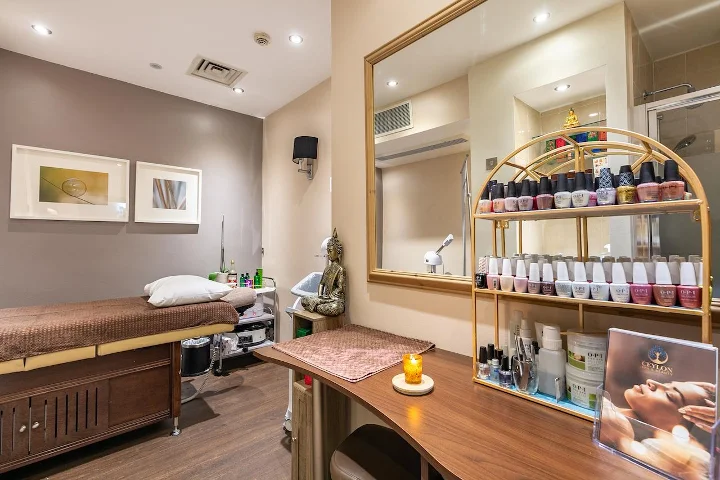
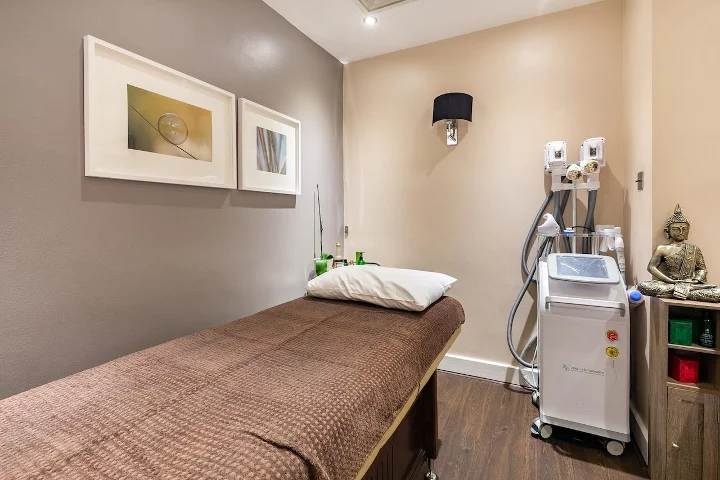
The space manages a balance that very few London clinics pull off. It feels clinical in all the reassuring ways: immaculate, ordered, professional enough that you would happily trust them with a needle near your face. Yet it is also genuinely tranquil, the sort of calm that makes you lower your voice without being asked. On a grey October afternoon, stepping in off the Fulham Road traffic, I felt my shoulders drop before I had even taken my coat off.
The menu reads like a well-edited maintenance plan for modern life. Botox and aesthetic injectables, laser skin therapies, IV vitamin drips, body sculpting and hair removal sit alongside seasonal facials, which the clinic times for spring and autumn when skin is most in need of a reset. Then there are the massages, manual and restorative, with lymphatic drainage as the quiet star.
What struck me most was the clientele. Women of every age book the same treatments side by side, with no sense that one service belongs to twenty-somethings and another to their mothers. A growing number of men come in too, mostly for laser hair removal and body sculpting. The common thread is a mindset rather than a demographic. These are people who look after themselves as a matter of routine, not as an occasional splurge, and the clinic is built around exactly that habit.
First, a little anatomy (bear with me)
It helps to understand why lymphatic drainage is having its moment. The lymphatic system is the body’s internal cleaning network, carrying excess fluid, waste and immune cells away from tissues. Unlike blood, which has the heart to push it round, lymph has no pump of its own. It relies on movement, breathing and muscle contraction to keep flowing.
Which explains why we puff up after long flights, long desk days and long, salty dinners. When we sit still, lymph moves slowly, and fluid settles where we least want it: under the eyes, around the jaw, in the ankles, across the stomach.
Manual lymphatic drainage was developed in the 1930s by the Danish therapists Emil and Estrid Vodder, and the principle has barely changed since. Rhythmic, directional strokes encourage fluid along its natural pathways towards the lymph nodes, where the body can process it. Done well, it reduces water retention, eases bloating and supports circulation. Done badly, it is just an expensive stroke. The difference is entirely in the hands.
Aishi does not do gentle, and I am grateful
The hands in my case belonged to Aishi, and within minutes it was clear I was in good ones.
She worked with a firm, rhythmic pressure that never tipped into discomfort but never let me drift off either. Each stroke had a direction and a purpose, moving methodically up the legs, across the stomach, along the arms and finally over the face and neck. There is a pace to it that feels almost choreographed, quick and repeated, building momentum as the session goes on.
And you genuinely feel things moving. That is not a figure of speech. A lightness spread through my legs, my stomach settled in a way I hadn’t realised it needed to, and a pleasant tingle ran through me as circulation picked up. By the end, I felt refreshed rather than sleepy, more awake than when I arrived, which on a dark October evening is no small achievement.
A word of honesty, because you deserve one: if your idea of a massage is warm oil, dim lights and a nap, this is not your treatment. It is dynamic, purposeful work, closer in spirit to a sports massage than a spa ritual. I happen to love that. Some people won’t, and it is better to know before you book.
What I valued most was Aishi’s fluency on the clinical side. She explained what she was doing and why without ever breaking the flow, and it was obvious she understood the body as a system rather than a series of knots. That matters, because Ceylon uses the same technique for patients recovering from cosmetic surgery, procedures such as a tummy tuck, where drainage is a crucial part of healing. For those clients, the clinic recommends at least two sessions a week. It is reassuring to be treated by someone who is used to working with bodies at their most delicate, even when you are simply there for a glow.
The 48-hour reveal
The lift is immediate. I walked out feeling lighter, my face fresher, my clothes sitting slightly differently. But the real payoff arrives later, and it is worth waiting for.
Between 24 and 48 hours after my session, my face looked noticeably more sculpted. My jawline was sharper, my cheekbones more defined, the morning puffiness I had quietly accepted as part of autumn simply gone. Snatched is the only word for it. A friend asked, without prompting, whether I had had something done. I took that as the verdict.
Aftercare is simple and worth following properly. Drink plenty of water or herbal tea in the hours afterwards, and avoid heavy or salty meals straight after your session, so the body can finish flushing out what the massage has loosened. Easier said than done in cheese-fondue season, I know, but the results reward a little discipline.
Why October is the moment to start
There is a reason I would book a course now rather than wait for January.
Winter is when the body gets sluggish. We move less, eat richer, drink more, sit closer to the radiator and wake up puffier than we would like to admit. Darker mornings make the gym harder to face, and the long walks of summer give way to taxis and sofas. All of which is precisely the stillness that lymph dislikes. Lymphatic drainage works directly against it, keeping circulation moving and fluid from settling just as everything else slows down.
It is also the smartest possible preparation for party season. A session the week before a big night is the closest thing to a non-invasive tweakment I have found: cheekbones back where you left them, rings sliding on easily, a dress that zips without negotiation. Book a second one the morning after an especially indulgent dinner and you will understand why so many women keep a standing appointment.
The clinic suggests once every other week as a maintenance rhythm, and that cadence fits winter beautifully. Start now and you arrive at December looking rested rather than wrung out, then leave January without the usual post-festive heaviness. Think of it as winter maintenance, the way you would swap your summer serum for something richer, or put your linen away and bring out the cashmere. It is the body’s version of the seasonal wardrobe change.
Where the menu gets genuinely clever
Ceylon understands that its clients rarely want just one thing, and the most interesting part of the menu is how intelligently it combines treatments.
Look out for promotions pairing IV vitamin drips with massages, a combination that makes particular sense when everyone on the Tube seems to be sniffling and you have a diary full of late nights. There are regular laser offers too, and autumn is the ideal time to begin a course of hair removal, since you need to keep skin out of the sun between sessions and the results will be ready long before next summer’s holidays.
Skin is approached properly, beginning with a consultation rather than a sales pitch. From there, the clinic builds treatment plans that combine fractional rejuvenation with targeted skincare, so that what happens in the treatment room is supported at home.
The standout, for me, is a package that combines four treatments in a single session, including microneedling and massage, sold as a course of six for £1,600. It is a serious commitment, but it is also a serious result. Started now, the course takes you neatly from autumn into the new year, with skin and body treated together rather than in separate appointments scattered across the calendar. For anyone who treats self-care as an investment rather than an indulgence, it is the smartest way to experience what Ceylon does best.
The verdict
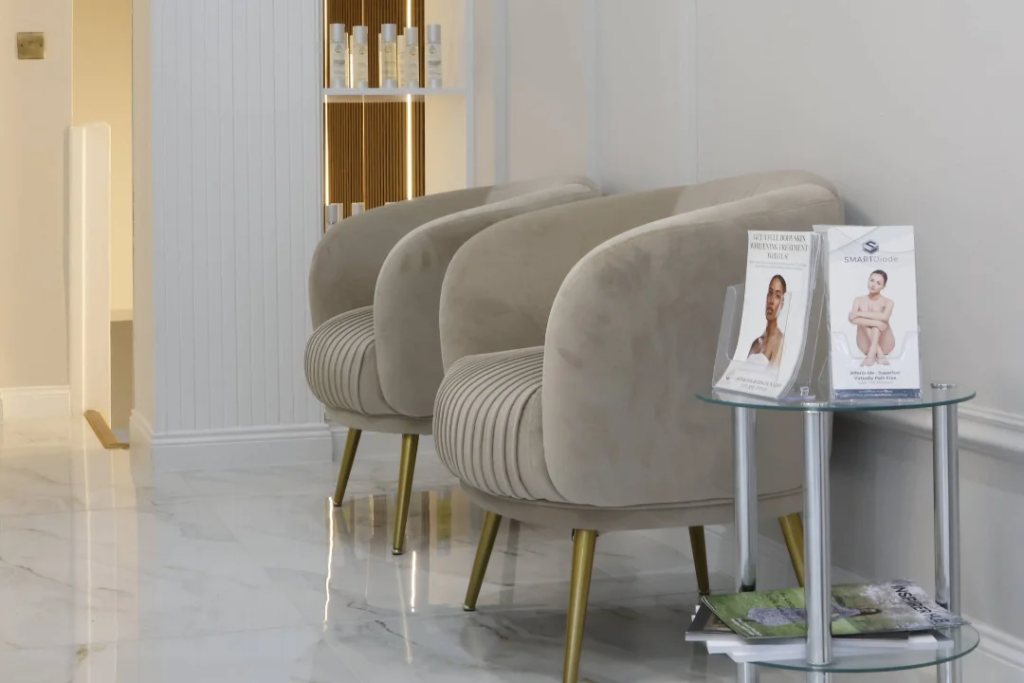
Plenty of London clinics offer lymphatic drainage. Fewer offer it with this level of clinical understanding, in a space this calm, by a therapist this good. Ceylon Aesthetics & Beauty has grown from a local Battersea favourite into a Chelsea address that deserves a place in your winter routine, and its lymphatic drainage massage is the best reason to make the trip.
Go for the results, stay for the rhythm, and let it carry you all the way to spring. Just do not expect a nap.
Practical information
Lymphatic drainage and restorative massages from £130 for sessions of 60 to 90 minutes. The four-in-one treatment package is £1,600 for a course of six sessions. Ceylon Aesthetics & Beauty is on Fulham Road at Pelham Crescent, a short walk from South Kensington station. Book direct with the clinic or via Treatwell.